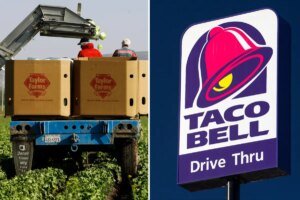


Taco Bell has taken proactive measures to address a cyclosporiasis outbreak, removing shredded iceberg lettuce from its supply chain after more than 1,600 cases were reported across five states, as noted by the Centers for Disease Control and Prevention (CDC). The cases, resembling a severe stomach illness, often manifest two to three weeks post-infection, though no fatalities have been recorded.
The CDC’s investigation traced the outbreak back to Taco Bell locations in Indiana, Kentucky, Michigan, Ohio, and West Virginia. In partnership with the U.S. Food and Drug Administration (FDA), Taco Bell is coordinating with its lettuce supplier to assess whether the contaminated product has been distributed elsewhere. Taco Bell’s parent company, Yum Brands, has seen a nearly 7% decline in stock over the past week, reflecting investor concerns, while other chains reliant on fresh lettuce, such as Sweetgreen and Cava, also experienced stock fluctuations.
Despite the immediate impact, analysts suggest that any financial repercussions for Taco Bell may be temporary. They predict that, similar to past health crises faced by major restaurant chains, sales and stock prices will likely recover quickly, especially since the outbreak is confined primarily to toppings rather than core menu items. Indeed, companies like Chipotle, which do not serve shredded iceberg lettuce, reported no associated risks.
Taylor Farms, the suspected supplier, has suspended all iceberg lettuce sourced from central Mexico and clarified that its branded salads are not implicated in the outbreak. Industry experts emphasize the importance of effective communication and rapid action in managing customer trust during such health incidents.
Why this story matters:
- Highlights public health concerns impacting food safety and consumer trust.
Key takeaway:
- Taco Bell’s swift response may mitigate long-term damage, with a potential recovery similar to previous health crises experienced by major chains.
Opposing viewpoint:
- Some analysts caution that the outbreak’s impact may linger longer in affected states, suggesting a sustained reduction in demand.