


Artificial intelligence (AI) has made significant strides toward achieving artificial general intelligence (AGI), demonstrating capabilities such as solving complex math problems, conducting scientific research, and developing sophisticated software. Despite these advancements, many businesses are not fully capitalizing on AI’s potential, highlighting a substantial gap between AI’s capabilities and its actual adoption in the workplace.
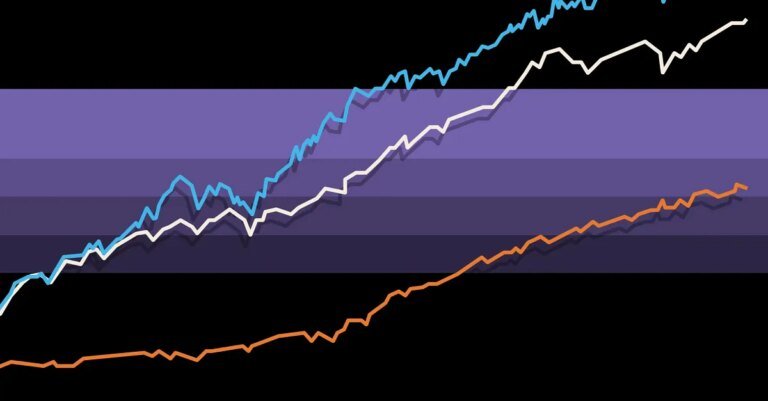
A recent study by Anthropic sheds light on this issue, comparing the theoretical potential of AI models to their real-world utilization across various professions. The research quantified AI’s "observed exposure," assessing both the theoretical tasks AI could perform and the frequency with which workers are incorporating AI into their routines. The findings revealed a stark contrast; in nearly all white-collar professions, the potential tasks that AI could handle far exceeded actual usage. For example, in computer and math occupations, AI could theoretically perform about 94% of tasks, yet its actual usage is only one-third of that.
Several factors contribute to this adoption gap, including technical limitations, legal restrictions, and the necessity of human oversight. Additionally, companies are still in the process of identifying where AI can deliver the most value. This could explain why many CEOs express disappointment with initial AI investments, emphasizing the need for reliable systems that seamlessly integrate into existing workflows.
Historically, significant technological transitions, such as the advent of the automobile or the internet, took time to realize their full potential. Similarly, the AI industry is currently building trust with businesses, paving the way for its transformative potential.
Why this story matters:
- Understanding the gap between AI’s capabilities and its adoption can guide businesses in better integrating AI into their operations.
Key takeaway:
- AI’s theoretical potential far outweighs its current application, highlighting a significant opportunity for businesses to leverage this technology.
Opposing viewpoint:
- Some may argue that the adoption gap reflects a lack of immediate need for advanced AI capabilities in various industries.