

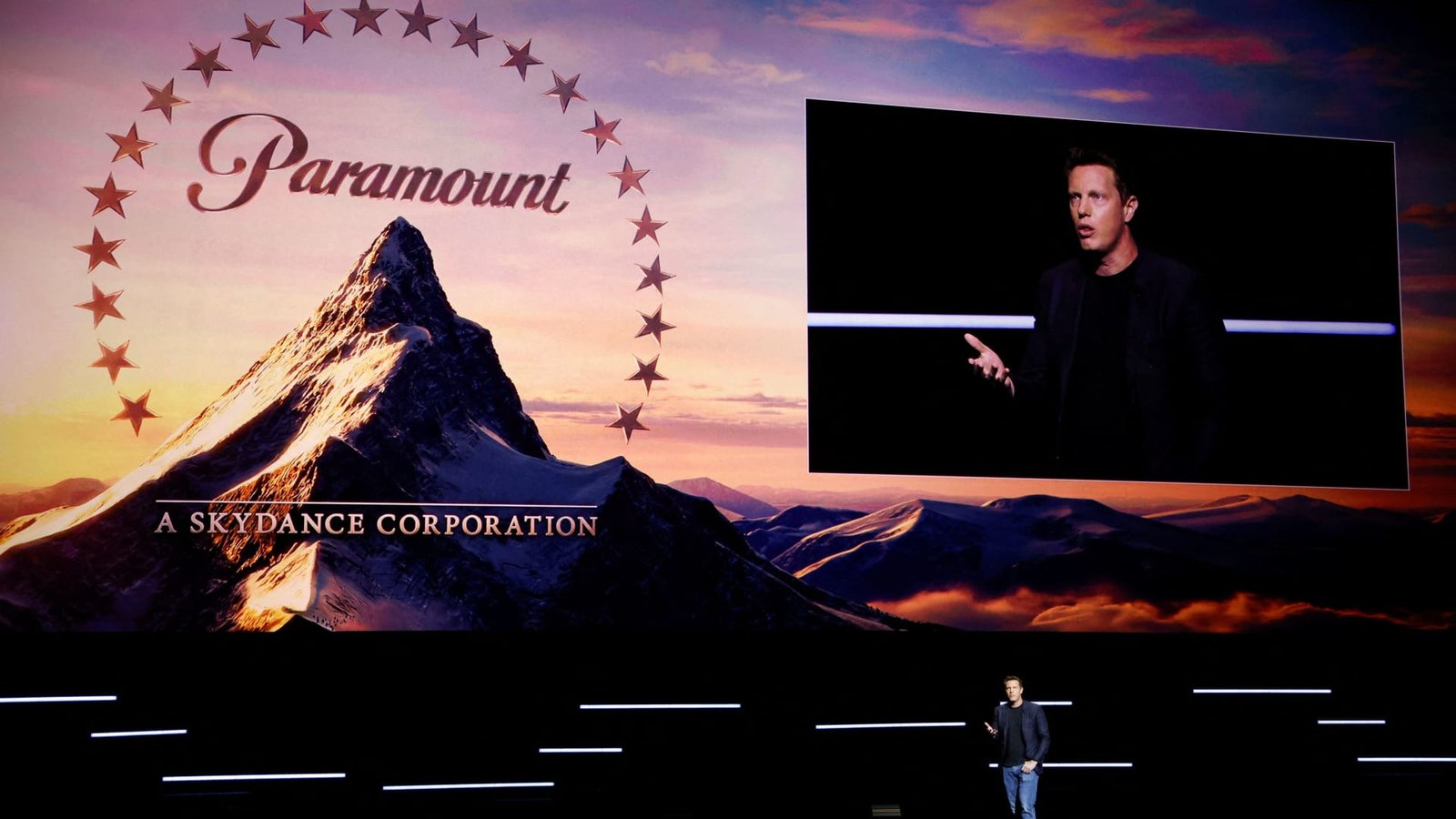
Paramount Skydance’s merger with Warner Bros. Discovery, valued at $110 billion, will proceed following a settlement reached with a coalition of state attorneys general, including California Attorney General Rob Bonta. The lawsuit aimed to block the merger on antitrust grounds and was set for trial in March, which would have delayed the deal until mid-2027. In a statement, Paramount’s CEO David Ellison expressed gratitude for the collaborative effort that led to this resolution, emphasizing its importance for consumers, workers, and the creative community.
The acquisition combines Paramount and Warner Bros. Discovery’s film studios, television networks, and streaming platforms, including CBS, Paramount+, and HBO Max. State officials, including Bonta, articulated their concerns about the merger’s potential impact on the U.S. film industry and creative jobs but acknowledged that the settlement allows Paramount to enhance its domestic production, committing to an increase of at least $300 million in annual spending. Additionally, the agreement specifies that 20% of films produced in the first two years must be created domestically.
Despite the settlement, Bonta clarified that it should not be interpreted as an endorsement of the merger, citing broader concerns about market consolidation’s effects on competition. Although the merger received earlier approval from U.S. and international regulators, the agreement imposes strict conditions, including a penalty for unmet production goals and requirements for ongoing negotiations over cable packages.
While the merger signals a significant shift in Hollywood, skepticism remains about Paramount’s capacity to adhere to its production promises, given historical trends of declining film releases following major industry mergers.
Why this story matters:
- The merger reflects the ongoing consolidation in Hollywood, which could reshape the film industry landscape.
Key takeaway:
- Paramount has committed to increasing its domestic film production and maintaining a balance in creative roles amid concerns over market consolidation.
Opposing viewpoint:
- Critics, including the Writers Guild of America and industry veterans, argue that such mergers typically lead to fewer films produced, potentially harming creativity and job security within the industry.