

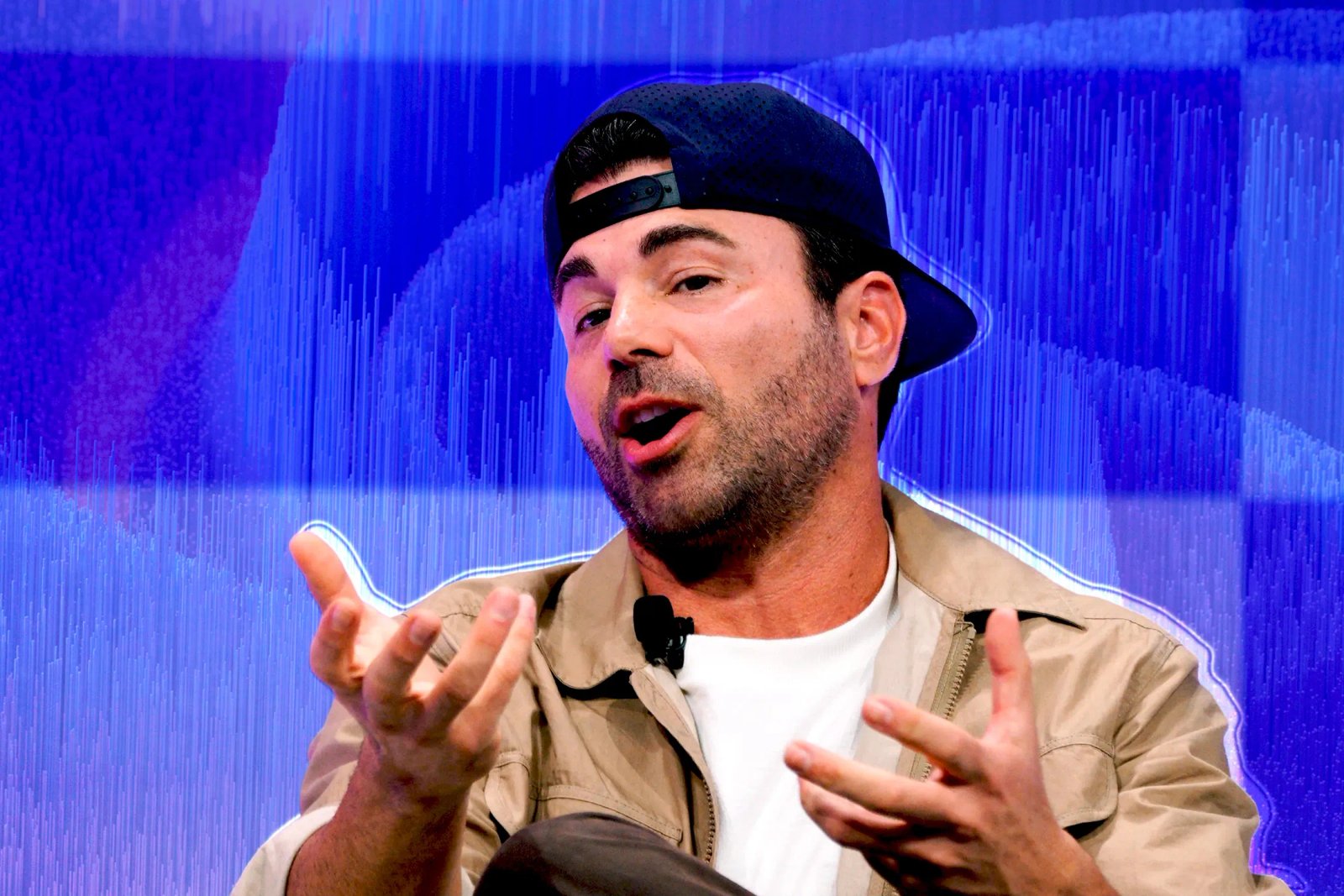
Mark Rober, a former NASA engineer and now a prominent science YouTuber with 85.7 million subscribers, shared his insights on the impact of AI-generated content in a recent interview with Business Insider. He emphasized that the key to distinguishing oneself in the evolving landscape of social media is to engage in noteworthy real-world activities.
Rober argued that authenticity is what captivates audiences. “Do you want to see a simulation of someone dunking a basketball with a sick trick, or do you want to see someone actually do it?” he posed, highlighting the value viewers place on real experiences. He believes that the quality of his content, characterized by real-world experimentation and his approachable persona, gives his channel a competitive edge over AI-generated material.
In 2022, Rober’s YouTube videos reportedly generated around $17 million in revenue, matching the production costs. Additionally, his company, CrunchLabs, which aims to inspire younger audiences through science and engineering, employs over 200 people and offers educational kits. He notes that fostering curiosity in this AI-driven era is crucial for ongoing learning.
The rise of AI tools in content creation presents both opportunities and challenges. While these technologies can help creators reach wider audiences through translation and dubbing services, they also heighten competition among content producers. As more creators flood the space with similar content, traditional avenues like technical execution may lose their distinctiveness, making it increasingly difficult for channels reliant on animation or anonymous narration to thrive.
- Why this story matters: Highlights the evolving dynamics between human creativity and AI in content creation.
- Key takeaway: Authentic, real-world engagement can provide a competitive advantage in the era of AI-generated content.
- Opposing viewpoint: AI tools can enhance content creators’ reach but may lead to oversaturation and difficulty in standing out.