


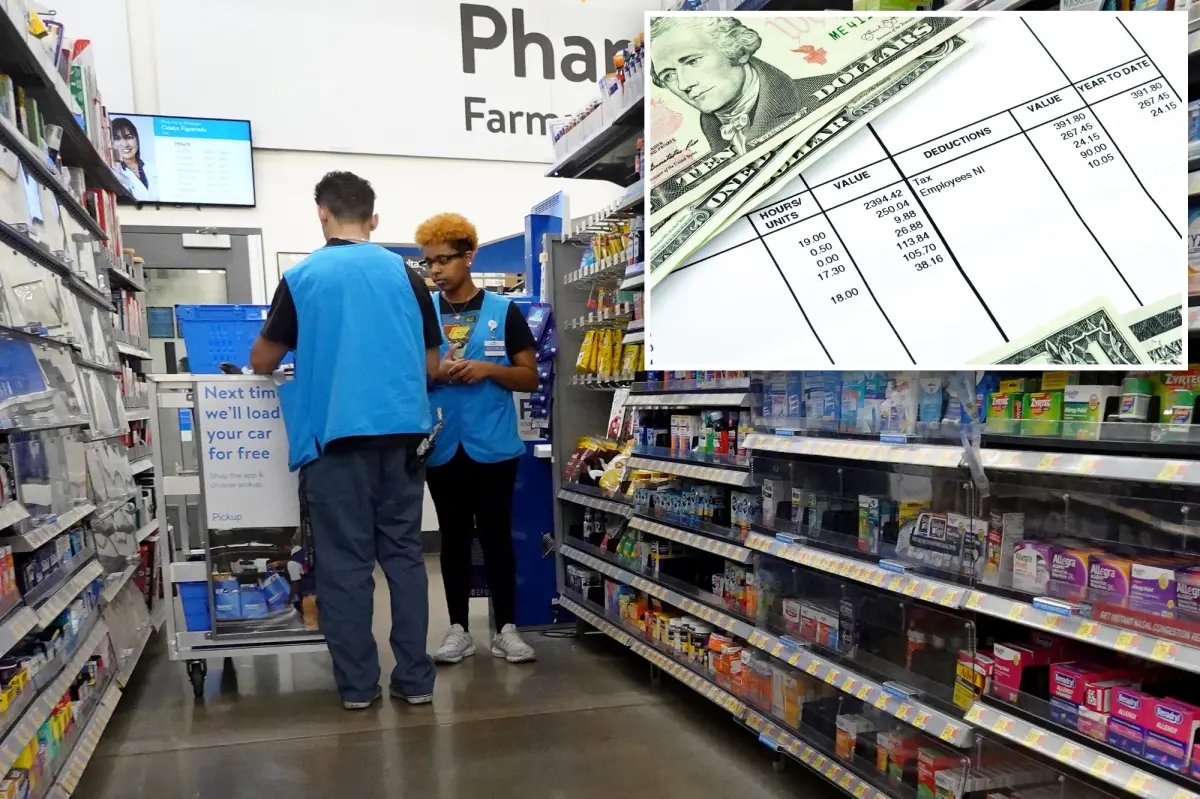
New York will implement minimum wage increases on January 1, 2024, raising the rate to $17 per hour in New York City, Westchester, and Long Island, while the rest of the state will see a rate of $16 per hour. This adjustment marks the third consecutive annual increase, with the first increment starting in 2024 when the minimum wage transitioned from $15 to $16. Subsequent increases will be aligned with the Consumer Price Index (CPI), reflecting inflation trends.
The minimum wage changes come amid a broader movement, with 22 states nationwide planning hikes in 2026. These adjustments will impact over 8.3 million workers. Notably, states like Arizona, California, and Washington will also see increases, with Washington maintaining the highest minimum wage at $17.13 per hour, determined through a formula linked to inflation.
Proponents of the wage hikes argue that the adjustments are necessary to keep pace with the rising cost of living. The push for increased wages reflects a long-standing advocacy effort, notably the “Fight for $15” movement established around 2012. However, business owners express concerns that such increases may disproportionately affect small employers, leading to hiring slowdowns and increased automation. They warn that higher labor costs could restrict opportunities for entry-level workers, particularly in sectors like construction and food service.
Experts suggest that while higher wages might assist experienced workers, inexperienced individuals may find entry-level positions harder to obtain as employers adjust their hiring strategies in response to rising wage mandates.
Why this story matters: Minimum wage increases impact millions of workers’ livelihoods and shape economic dynamics in various sectors.
Key takeaway: Minimum wage hikes will be tied to inflation, reflecting ongoing efforts to improve workers’ earnings in the face of rising costs.
Opposing viewpoint: Business owners contend that increased labor costs could restrict hiring opportunities for inexperienced workers, complicating the job market further.