



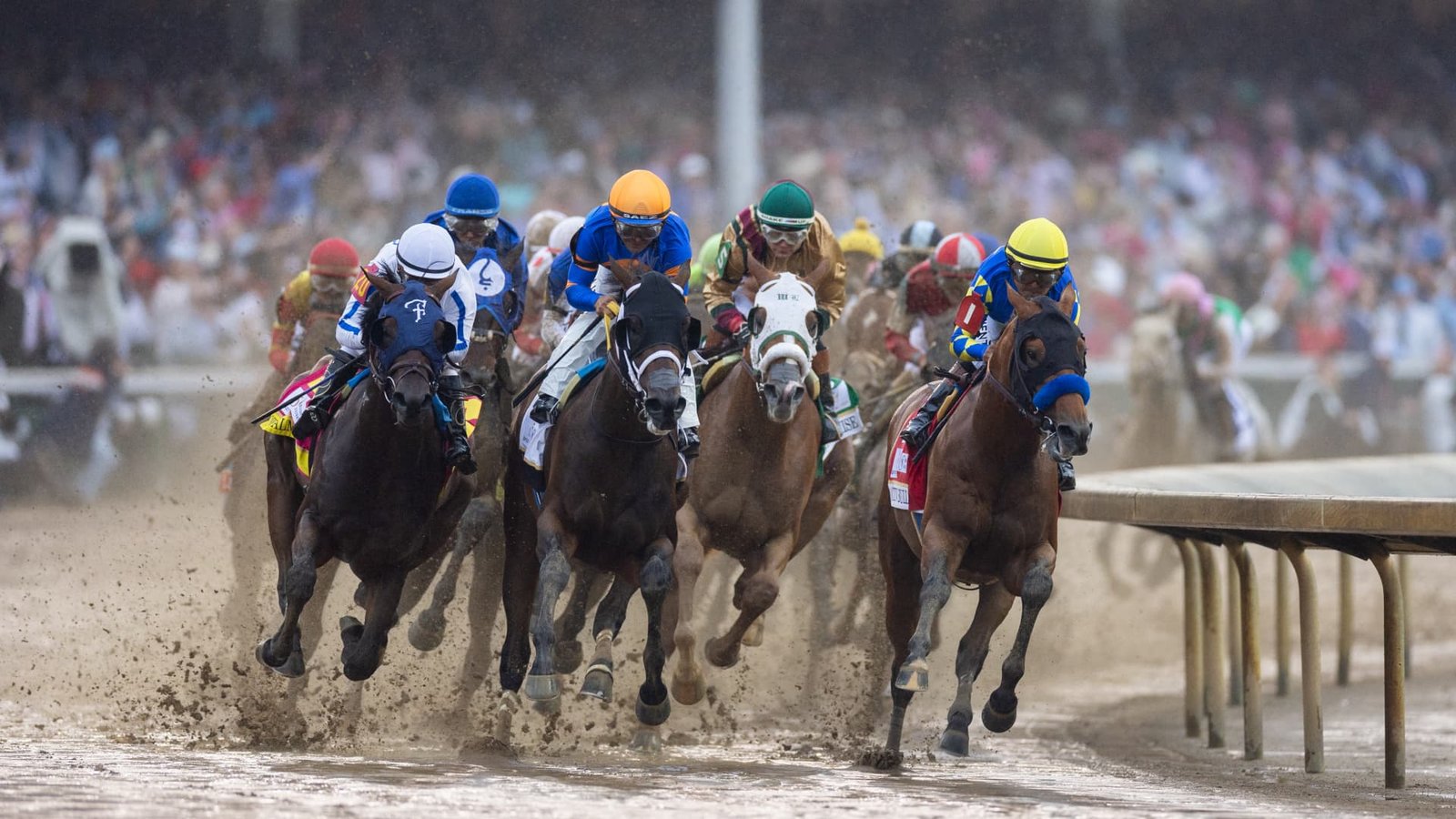
The Kentucky Derby, the premier horse race in the United States, is scheduled for Saturday in Louisville. However, individuals seeking to place bets through prediction markets such as Kalshi and Polymarket will find no event contracts available for the Derby. These platforms typically offer bets on various outcomes across the sports and entertainment industries, but horse racing remains excluded.
Bill Carstanjen, CEO of Churchill Downs—the organization behind the Kentucky Derby—indicated in a recent interview that this exclusion is unlikely to change. He explained that race track owners must authorize such contracts, a scenario they have no interest in pursuing. Historically, horse racing has operated independently within its own framework, enjoying special legal status even before the Supreme Court’s 2018 ruling that allowed broader sports betting across the U.S.
The Interstate Horseracing Act of 1978 mandates that any racing-related wagers require permissions from race track owners, industry groups, and state commissions. Carstanjen emphasized that introducing prediction markets would not align with the existing economic model of horse racing, particularly concerning purse funding for race winners. Neither Kalshi nor Polymarket provided comments regarding their absence of horse racing contracts, while the Commodity Futures Trading Commission, which oversees event contracts, has remained silent on the issue.
Tensions exist concerning regulatory permissions needed for prediction markets, as states assert these companies require licenses to offer wagers, while the platforms argue they conduct trading activities, not gambling. Kentucky lawmakers have even proposed a ban on prediction offerings by gambling licensees and suggested a tax on prediction market transactions. Meanwhile, traditional betting for the Derby is increasing, with Churchill Downs reporting a boost in betting activity.
Why this story matters
- The Kentucky Derby represents a significant economic event, and the exclusion of horse racing from prediction markets highlights ongoing regulatory tensions in the gambling industry.
Key takeaway
- The potential for prediction platforms to integrate horse racing betting remains hampered by regulatory restrictions and reluctance from race track owners.
Opposing viewpoint
- Advocates for prediction markets argue that allowing such contracts could enhance market engagement without undermining traditional betting frameworks.