



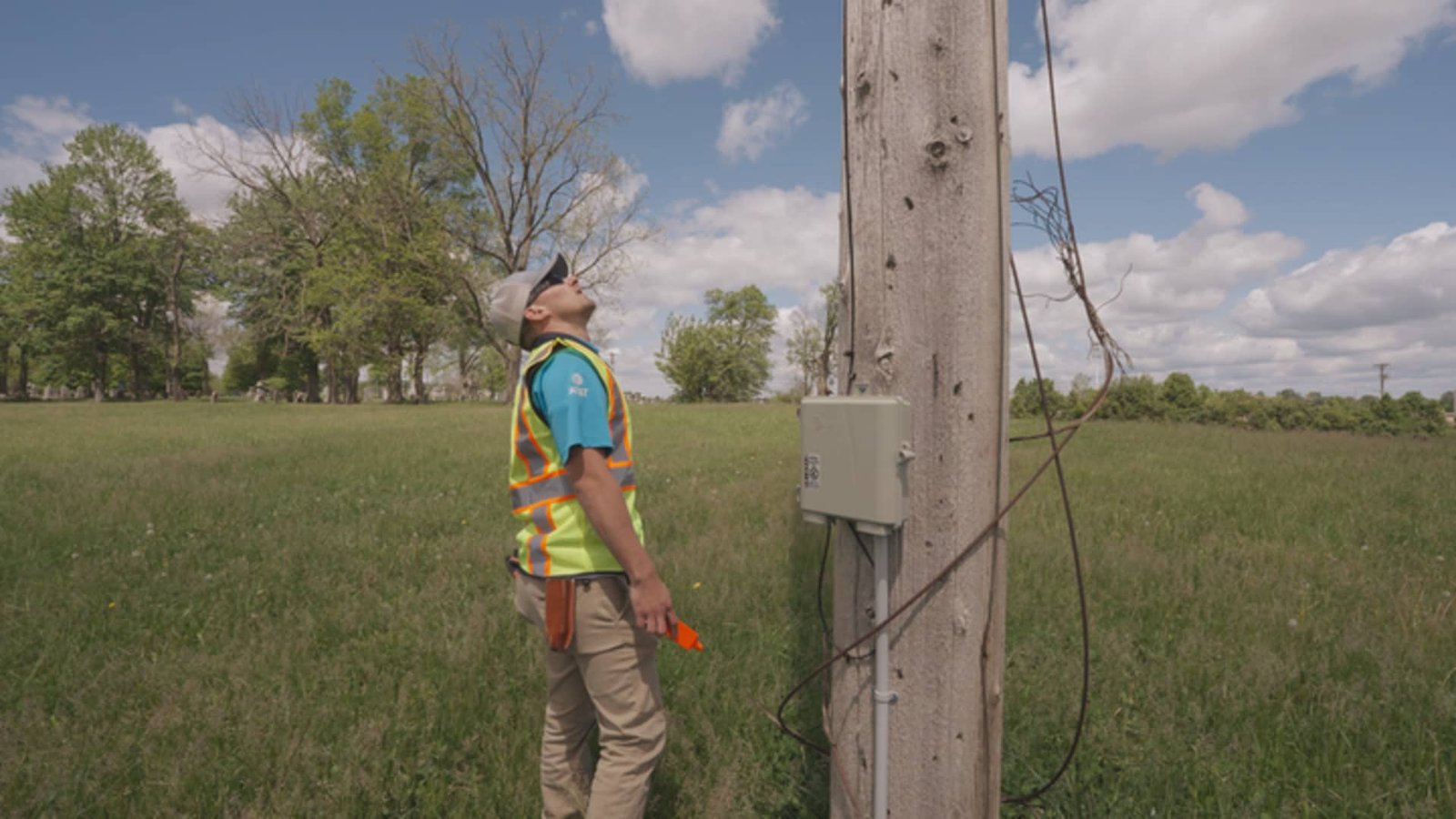
Amidst a shifting economic landscape, AT&T is struggling to find skilled blue-collar workers to support its growth initiatives, notably in expanding its fiber network for AI data centers. CEO John Stankey emphasized the urgent need for technicians who possess practical skills in electricity, photonics, and infrastructure installation, stating, "We need people who understand how to connect this infrastructure to make it work right."
This challenge emerges as the U.S. faces a paradox: a record number of college graduates are entering the job market while many companies, including AT&T, are increasingly prioritizing hands-on technical skills over traditional four-year degrees. Stankey pointed out that the conventional belief that a degree ensures upward mobility is fracturing, particularly as the rise of artificial intelligence continues to automate entry-level roles.
While the demand for skilled tradespeople is high—AT&T alone plans to hire around 3,000 technicians this year—the workforce faces a significant deficit, particularly in sectors undergoing major infrastructure builds. Reports indicate a shortage of approximately 350,000 construction workers, a figure set to escalate as industries evolve. Stankey advocates a reevaluation of the societal expectations surrounding college education, suggesting that not all careers require a four-year degree.
The employment landscape is undergoing profound changes, as AI innovation may render many traditional paths obsolete, leading to rising unemployment among new graduates in high-exposure sectors. The urgency for educational institutions to adapt and equip students with relevant skills is underscored by a growing consensus that future careers may not align with traditional educational trajectories.
– Why this story matters: Highlights the growing demand for blue-collar workers amid shifts in job markets influenced by AI.
– Key takeaway: A degree is no longer a guaranteed route to success; practical skills are increasingly sought after.
– Opposing viewpoint: Despite increasing demand for blue-collar jobs, college degrees still confer long-term benefits, including lower unemployment and higher lifetime earnings.