



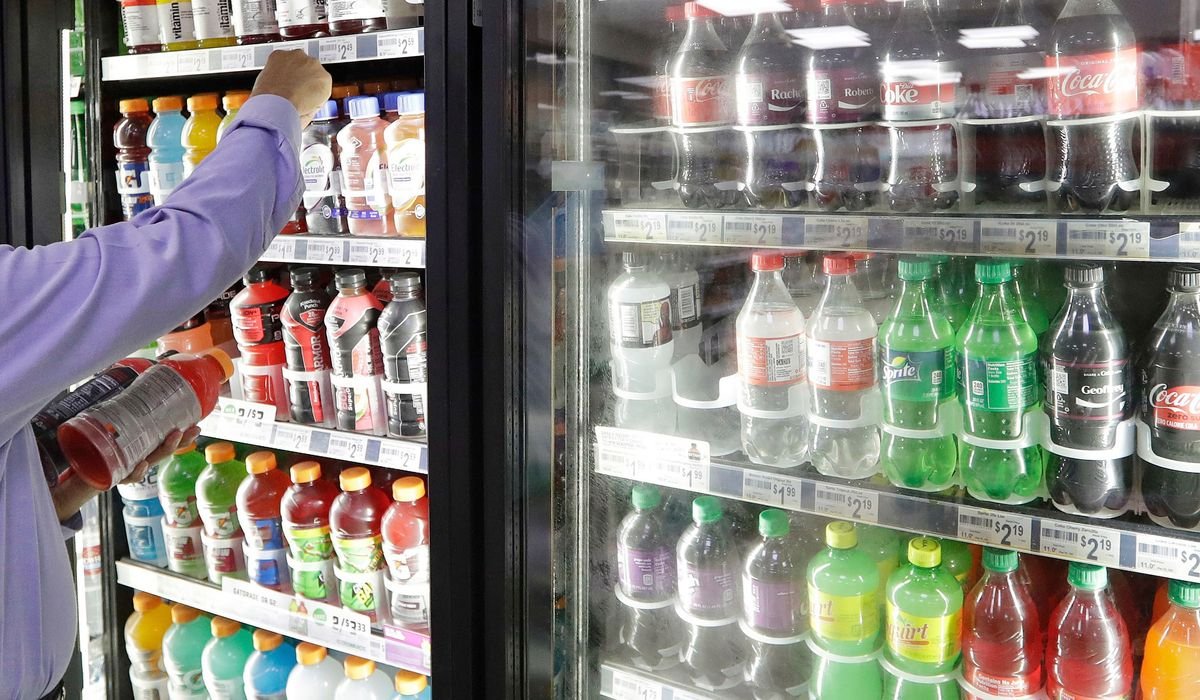
President Trump announced on Thursday a rollback of federal regulations regarding the phased elimination of hydrofluorocarbons (HFCs), chemicals widely used in commercial refrigeration. This move, he claims, aims to alleviate financial burdens on businesses and ultimately reduce grocery prices, which have been rising amid increasing consumer costs.
The Environmental Protection Agency (EPA) initiative, according to Mr. Trump, will save approximately $2 billion annually and foster job creation. Staffed with business leaders who would benefit from this change, Trump emphasized the significant financial strain the previous Biden-era regulations imposed on companies across various sectors, including grocery and air-conditioning firms.
The Trump administration’s decision grants businesses additional time—up to six years—before they must comply with the HFC phase-out timelines, extending deadlines to 2030 or beyond. Trump indicated that this regulatory relief would help stabilize costs across the supply chain, particularly in food pricing.
However, the Biden administration previously justified stringent regulation of HFCs by labeling them as potent greenhouse gases that contribute to climate change. EPA Administrator Lee Zeldin criticized earlier administration actions as overly hasty, citing opportunities for savings and flexibility in meeting refrigeration needs.
Despite praise from some sectors, the Air-Conditioning, Heating, and Refrigeration Institute has voiced concerns that increased reliance on HFCs could drive up refrigerant prices, potentially leading to higher overall consumer costs. As grocery prices continue to climb, with certain staples like ground beef seeing notable increases, the implications of Trump’s decision remain contentious.
Why this story matters:
- The easing of regulations is aimed at addressing rising grocery costs amid inflation concerns.
Key takeaway:
- Businesses will have extended timelines to transition from HFCs, which may impact pricing strategies in the food supply chain.
Opposing viewpoint:
- Critics argue that increased demand for HFCs could lead to higher refrigerant prices, negating the intended cost benefits for consumers.