



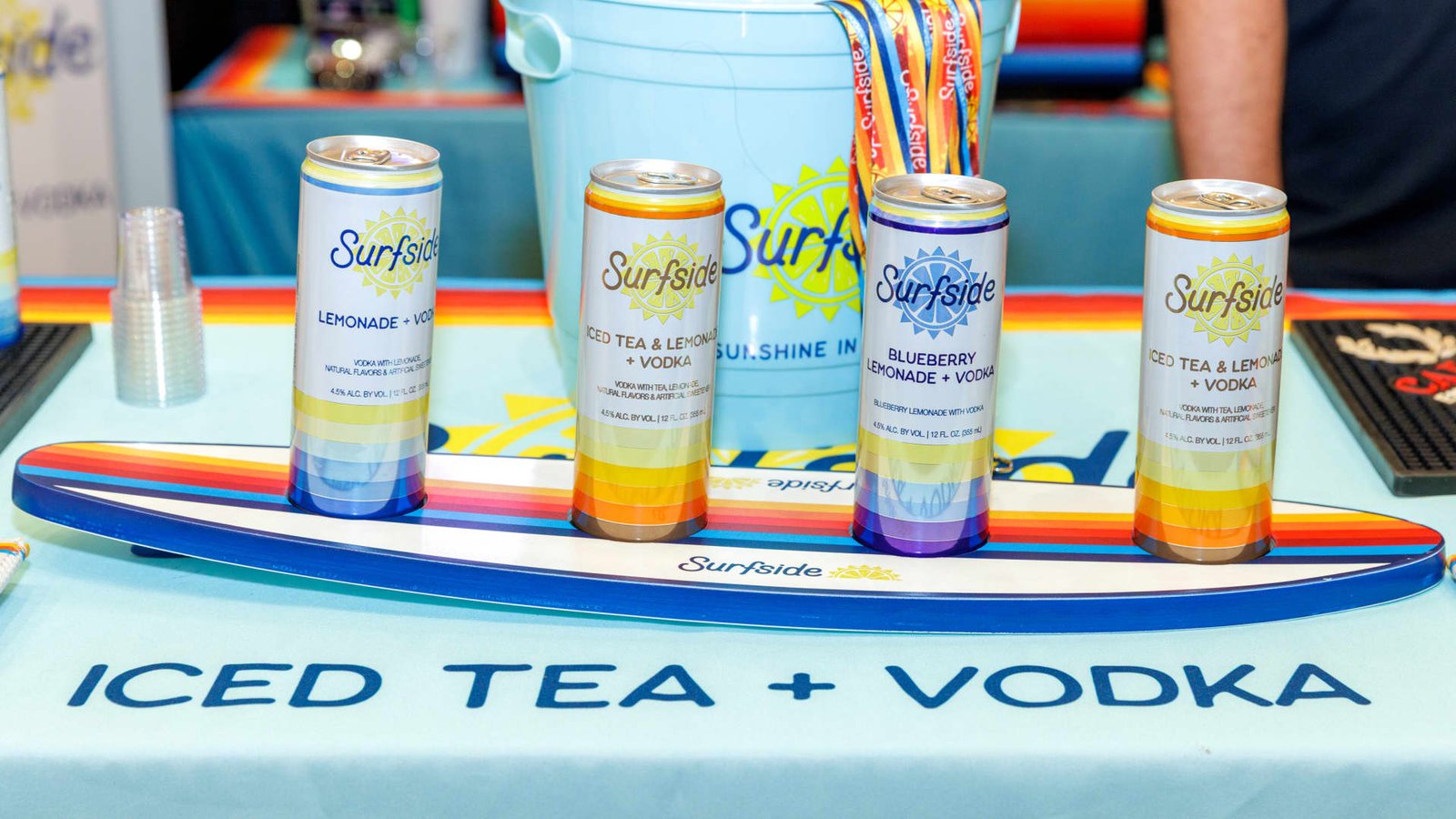
Sales of flavored seltzers, once booming due to the popularity of brands like LaCroix, are experiencing a downturn as consumers, particularly Generation Z, show a growing preference for non-carbonated beverages. The trend towards seltzer fatigue is evident as ready-to-drink (RTD) options like Surfside Iced Teas and other non-fizzy drinks capture consumer interest.
Randy Burt, a director at consulting firm AlixPartners, notes that innovation is shifting towards still beverages in both alcoholic and non-alcoholic sectors. While brands like White Claw reported a decline in sales, RTD cocktails have surged, with Surfside witnessing a remarkable 46.4% growth over the past year. This trend reflects a broader generational shift, with Gen Z demonstrating less brand loyalty than older counterparts and being more willing to explore new product offerings.
The preferences of younger consumers lean towards non-carbonated options due to health considerations, with many finding that fizzy drinks can cause bloating and discomfort. This aligns with their overall inclination towards wellness and functionality in their beverage choices. Brands like Surfside, which uses vodka and iced tea as a base, have successfully tapped into this market, while established companies also strive to compete with new offerings.
Recent data shows that while carbonated drinks still have a presence, the demand for non-carbonated options is rising. Celsius, for instance, has expanded its fizz-free line to cater to this trend. More brands are likely to embrace the fizz-free movement as they adapt to changing consumer preferences, demonstrating that the soft drink landscape is evolving.
Why this story matters
- Reflects changing consumer preferences that could reshape the beverage industry.
Key takeaway
- Growing demand for non-carbonated drinks highlights a generational shift in beverage consumption, particularly among Gen Z.
Opposing viewpoint
- While non-carbonated drinks are gaining momentum, carbonated beverages still maintain significant market demand, suggesting a potential for both categories to coexist.