

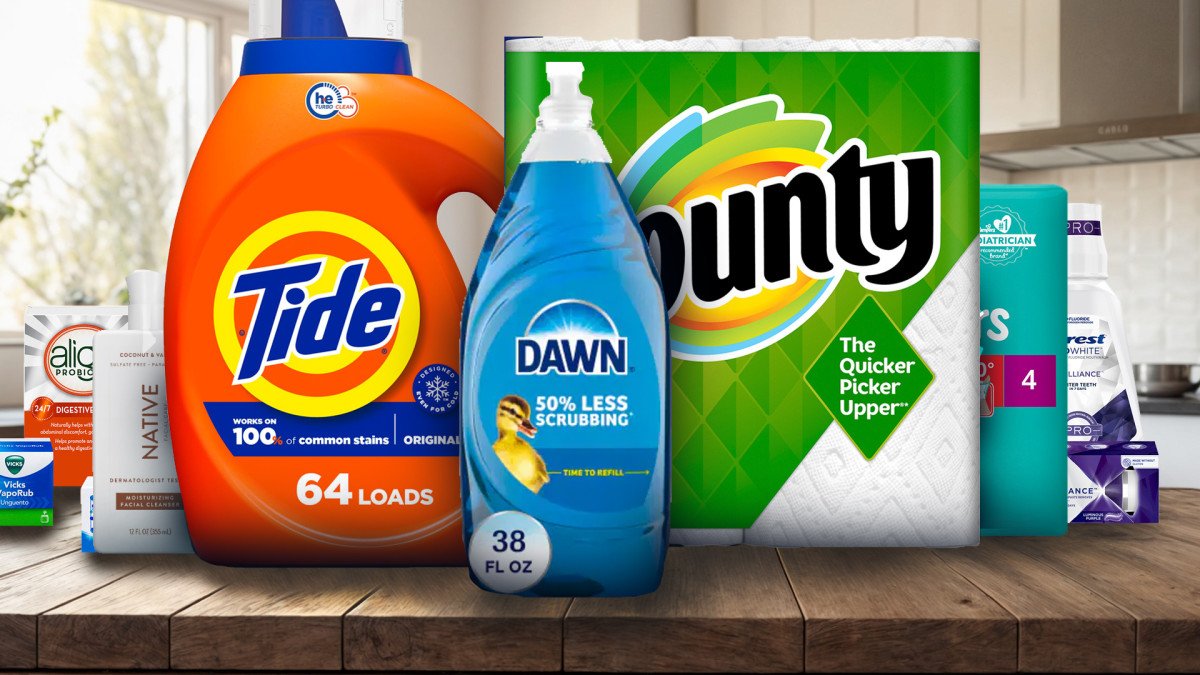
Procter & Gamble (P&G), a longstanding leader in the consumer goods sector known for brands like Tide, Pampers, and Gillette, has announced plans to distribute approximately $10 billion in dividends in fiscal year 2026. In addition, the company anticipates completing a $5 billion stock buyback, bringing the total cash returned to shareholders to $15 billion.
Founded in 1837, P&G has consistently paid dividends for over a century and is a member of the “Dividend King” category, having increased its dividend for 69 consecutive years. The current annual dividend stands at $4.23 per share, yielding approximately 2.6%. The company’s payout ratio, around 65%, is considered healthy, allowing it to reward shareholders while maintaining financial stability.
Despite these strong dividend commitments, P&G has experienced slower growth. In the second quarter of fiscal 2026, core earnings per share were flat year-over-year at $1.88. Although organic sales growth in the U.S. has been sluggish, partly due to challenging comparisons with the previous year, performance in international markets remains promising, with significant growth in Latin America.
To address the growth challenges, P&G is emphasizing product innovation, recently launching an upgraded version of its Tide detergent, which has reversed declining sales. Additionally, the company is leveraging artificial intelligence to enhance its supply chain and product development, reducing the time required to identify new compounds significantly.
While P&G’s path to achieving its long-term organic sales growth target of mid- to high-single-digit percentages remains uncertain, its long history of reliable dividends instills confidence among investors.
Why this story matters:
- P&G’s approach to returns showcases financial resilience amid growth challenges.
Key takeaway:
- The company remains committed to substantial dividend payouts while pursuing innovative strategies to reignite growth.
Opposing viewpoint:
- Some analysts may argue that reliance on dividends could hinder further investment in growth strategies, potentially affecting long-term sustainability.