


The restaurant industry continues to grapple with significant challenges as many chains respond to declining consumer spending by closing underperforming locations. This trend has intensified in 2025 as inflation pressures have led consumers to reduce restaurant outings, opting instead for home-cooked meals or seeking budget-friendly options when dining out. Black Box Intelligence reported consistent month-over-month declines in traffic to established restaurants, with the exception of July.
In a notable shift from previous trends where casual dining chains were primarily affected, closures are now widespread across various segments of the industry. High-profile names such as Hooters, Pinstripes, and On the Border have sought bankruptcy protection this year, signaling deeper issues within the sector.
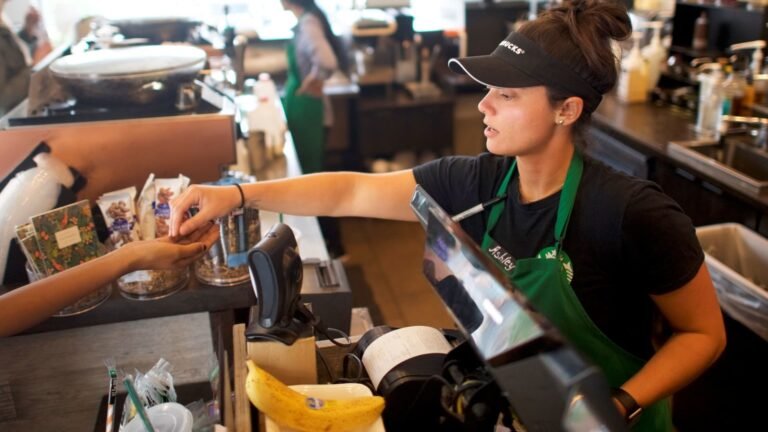
Starbucks announced a $1 billion restructuring plan in September, which includes closing approximately 500 North American locations, including its upscale Reserve Roastery in Seattle. This move comes as CEO Brian Niccol aims to address falling sales in the U.S. market and will be discussed further at the company’s upcoming investor day.
Wendy’s is also undertaking a strategic review that may result in closing a percentage of its U.S. outlets, while Denny’s is set to close between 70 and 90 locations, driven by customer preferences shifting toward cheaper fast-food breakfast options. Other chains, like Jack in the Box and Bahama Breeze, are also implementing closures as part of broader turnaround strategies.
As the industry undergoes significant transformations, these developments reflect an ongoing struggle to adapt to changing consumer behaviors and economic pressures.
Why this story matters
- Reflects broader economic impacts on consumer behavior and spending.
Key takeaway
- Major restaurant chains are closing locations in response to falling customer traffic and rising inflation.
Opposing viewpoint
- There are arguments that some closures may allow chains to streamline operations and focus on high-performing locations, potentially improving overall service and offerings.