



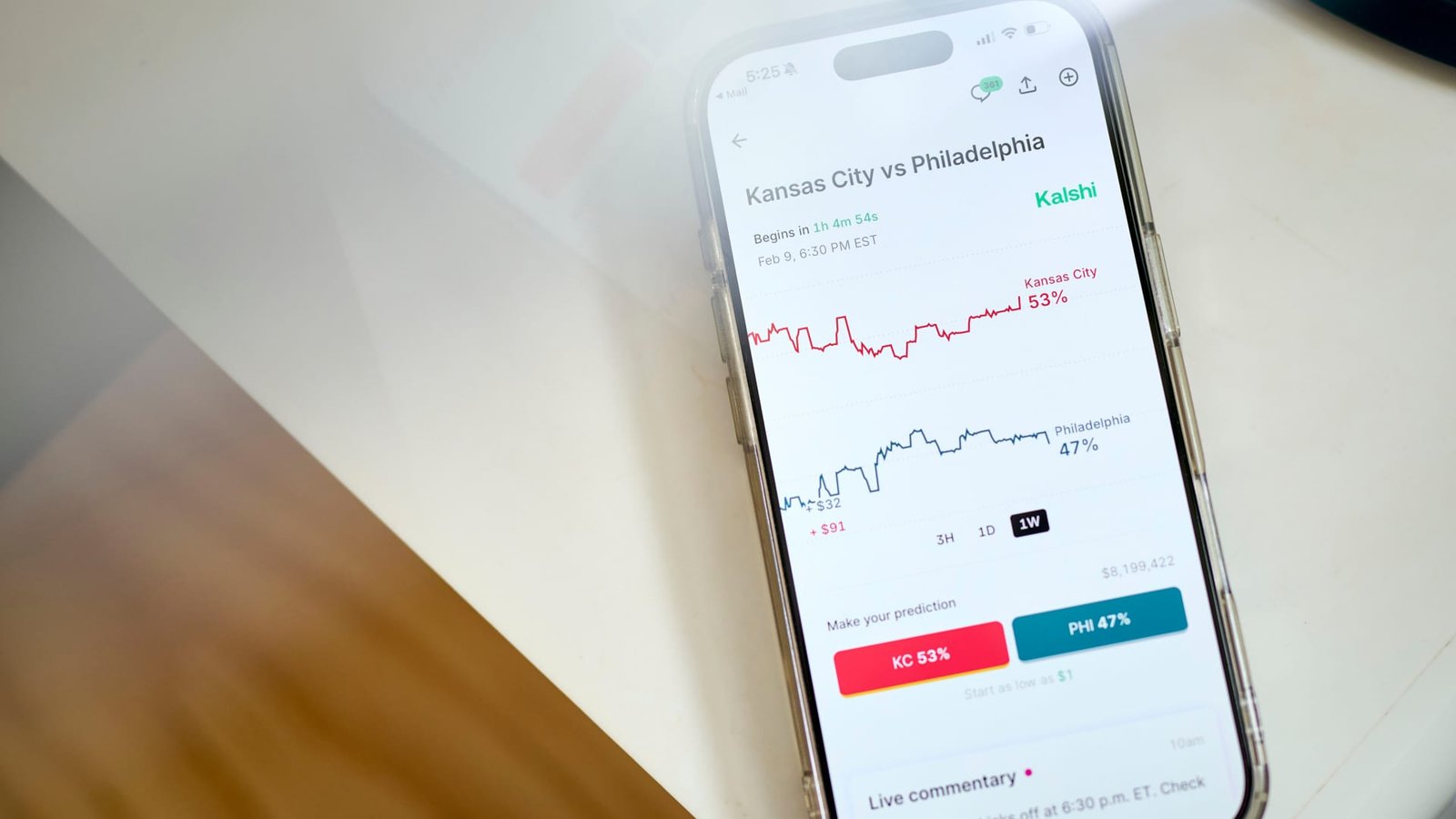
The American Gaming Association (AGA) has indicated that states may have lost over $1 billion in tax revenue due to the emergence of prediction markets. Bill Miller, president and CEO of AGA, expressed that this significant loss impacts local communities that rely on funds generated from regulated gambling, which are essential for various community projects. He emphasized the adverse effects on Native American casinos as well.
Miller characterized prediction markets as a form of "backdoor sports betting," arguing that the only distinction is the lack of regulation compared to traditional sportsbooks. Many states share Miller’s concerns, asserting that the contracts from prediction markets should be subject to their gambling regulations. However, the Commodity Futures Trading Commission (CFTC) considers these contracts to fall under its authority over swaps and derivatives.
This regulatory clash has led to several states initiating lawsuits against prediction market platforms, claiming violations of state laws. In response, the CFTC has taken legal action against states that it believes are overstepping their regulatory bounds. Miller stated that while the CFTC plays a vital role in regulating financial markets, its jurisdiction over prediction markets could enable a framework that lacks appropriate oversight.
In a recent Truth Social post, President Donald Trump highlighted the importance of the CFTC maintaining its jurisdiction over prediction markets. The Office of Management and Budget is reviewing a proposal that would assign regulatory authority for these markets to the CFTC. Some prediction market platforms argue against being classified as sports betting, claiming they offer economic utility through contracts associated with various events beyond gaming. Nonetheless, Miller contends that the predominance of sports-related contracts undermines their position.
Why this story matters: The regulatory debate could significantly impact state revenues and community funding.
Key takeaway: States are confronting a potential loss of over $1 billion in tax revenue due to unregulated prediction markets.
Opposing viewpoint: Prediction market platforms assert they provide valuable economic services beyond mere gambling.