



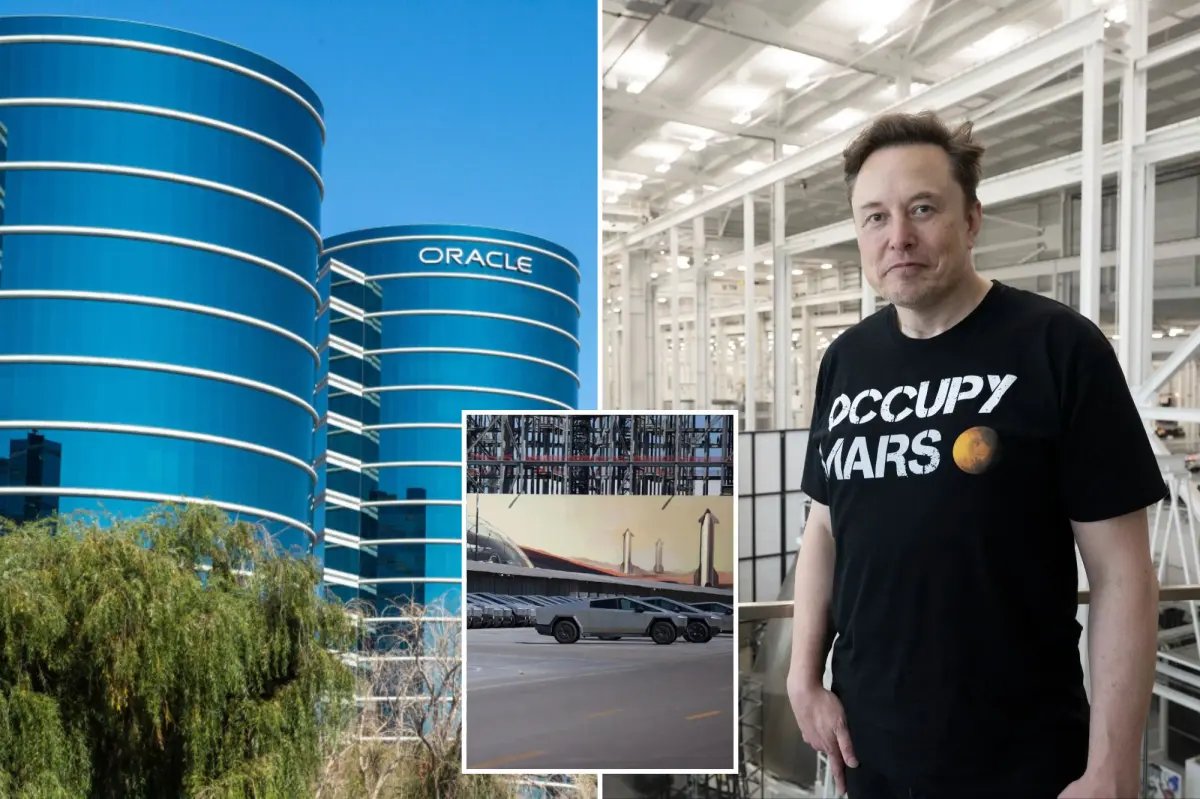
Texas has taken the lead over California in the number of Fortune 500 companies headquartered within its borders, marking a significant shift in the competitive economic landscape of the two states. According to the latest Fortune 500 list, Texas is now home to 57 companies generating approximately $2.8 trillion in revenue, just edging out California’s 56 companies at $2.7 trillion.
For many years, California enjoyed the top position, hosting major firms such as Chevron, Tesla, and Oracle. However, factors such as high taxes, stringent regulations, and increasing living costs have contributed to a trend of corporations relocating to Texas, which offers a more business-friendly environment, including the absence of a state income tax.
The exodus is further fueled by concerns over potential "billionaire taxes" proposed in California, including a controversial 5% one-time wealth tax targeting the state’s wealthiest residents. This has prompted several high-profile individuals, including Uber co-founder Travis Kalanick and Palantir Technologies co-founder Joe Lonsdale, to move their operations or assets to Texas cities like Austin, Dallas, and Houston, where they are drawn by lower taxes and fewer regulatory challenges.
While critics of California’s economic policies argue that high corporate and personal tax rates, coupled with a housing crisis, are driving companies away, advocates assert that California continues to be a hub of innovation with unmatched resources and talent. Notable figures, such as Nvidia CEO Jensen Huang, encourage companies to stay in California, despite the high taxes.
This shift may herald deeper changes in the corporate landscape, as Texas capitalizes on California’s challenges, potentially transforming regional economic dynamics for years to come.
Why this story matters:
- The change signifies a growing trend of corporate migration impacting regional economies.
Key takeaway:
- Texas overtakes California as the leading state for Fortune 500 companies, driven by a more favorable business environment.
Opposing viewpoint:
- Supporters of California argue that its unique talent pool and infrastructure continue to support innovation, despite regulatory and tax challenges.