


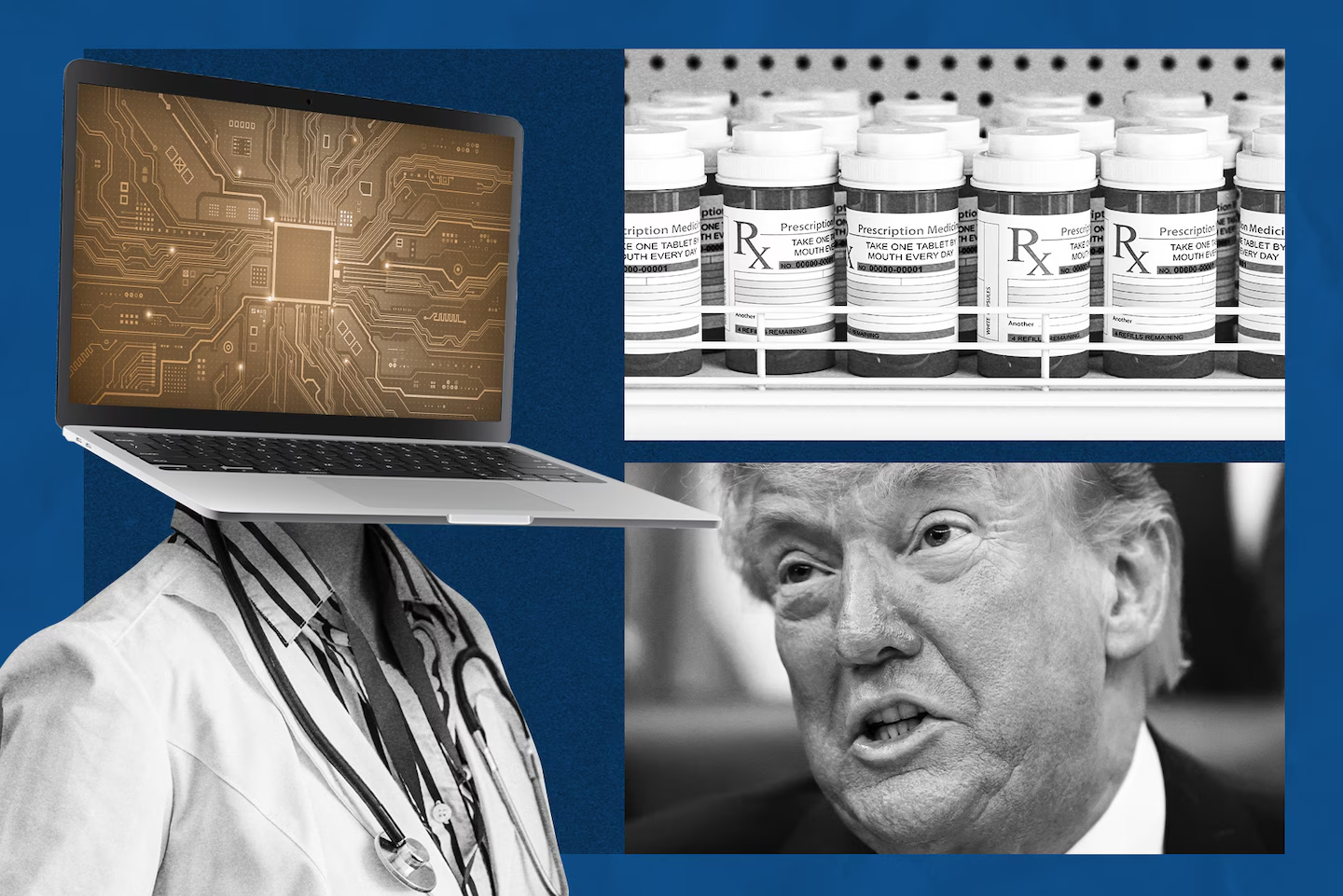
Last summer, Amy Gleason witnessed the potential of artificial intelligence in a personal and transformative way. Her daughter, Morgan, had been struggling with a severe autoimmune disorder for over a decade. In a bid for insight, Amy uploaded 16 years of meticulously documented medical records into ChatGPT. The AI generated an alternative diagnosis, suggesting a condition distinct from what medical professionals had identified. This new assessment opened the door for Morgan to participate in an exclusive clinical trial, presenting a unique opportunity for advancement in her treatment.
The experience has sparked discussions about the role of AI in healthcare, highlighting its capacity to analyze vast amounts of information and potentially reveal insights that may escape human practitioners. However, questions remain regarding the accuracy and reliability of AI diagnoses compared to established medical practices.
Why this story matters
Key takeaway
Opposing viewpoint