
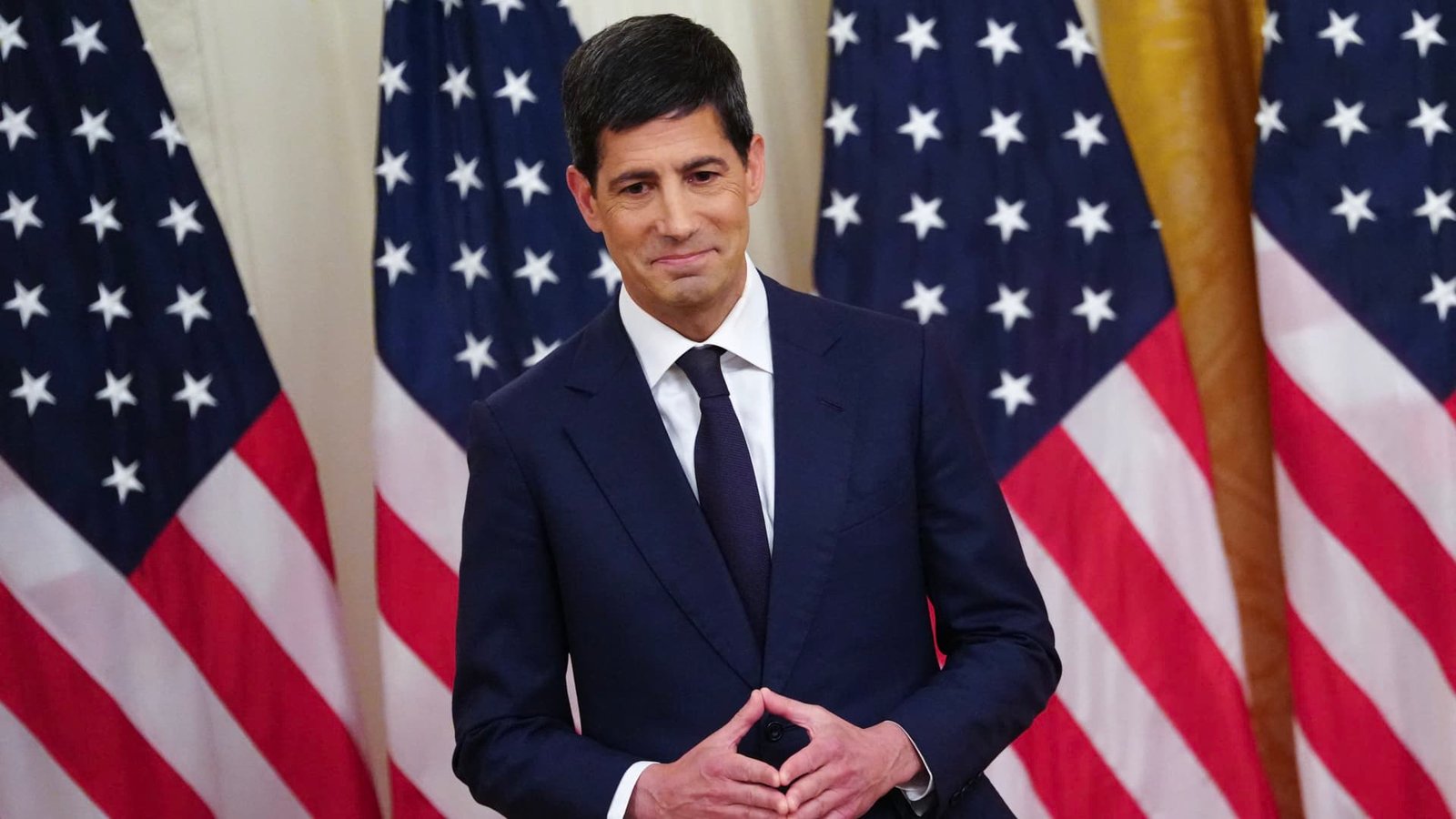
Kevin Warsh was sworn in as the new Chairman of the Federal Reserve on May 22, 2026, amid challenging economic conditions. The latest nonfarm payroll report revealed a robust addition of 172,000 jobs in May, complicating Warsh’s potential for implementing interest rate cuts in the near future. With inflation remaining elevated, many economists, including Gus Faucher of PNC, argue against needing to stimulate the labor market, suggesting that the Federal Reserve should maintain current interest rates until inflation trends become clearer.
In the wake of the payroll report, market expectations shifted towards a reduced likelihood of rate cuts at the upcoming Federal Open Market Committee meeting, with a 70% probability now leaning towards an interest rate hike by the end of 2026, according to CME Group data.
Warsh, however, faces resistance not only from economic indicators but also from within the Fed itself. Some officials have publicly challenged his policy frameworks, particularly regarding inflation and economic growth. St. Louis Fed President Alberto Musalem criticized Warsh’s assumptions about artificial intelligence as a disinflationary force, while Dallas Fed President Lorie Logan questioned the reliance on "trimmed mean" measures of inflation, emphasizing the risks associated with overly optimistic assessments of underlying inflation trends.
Additionally, concerns regarding the prolonged conflict in the Middle East, especially as it relates to inflation, complicate Warsh’s decision-making. Members like Governor Michelle Bowman highlighted the need for careful monitoring of temporary price spikes associated with energy supply disruptions.
As Warsh prepares for his inaugural meeting, analysts suggest he will confront a highly scrutinized environment, characterized by heightened economic uncertainty and diverse opinions from his colleagues.
- Why this story matters: The Fed’s interest rate decisions significantly impact the economy, affecting inflation and employment.
- Key takeaway: Current economic indicators and internal Fed debates complicate the path forward for the new Fed Chair.
- Opposing viewpoint: Some Fed officials believe reliance on current indicators may overlook potential inflationary risks.