


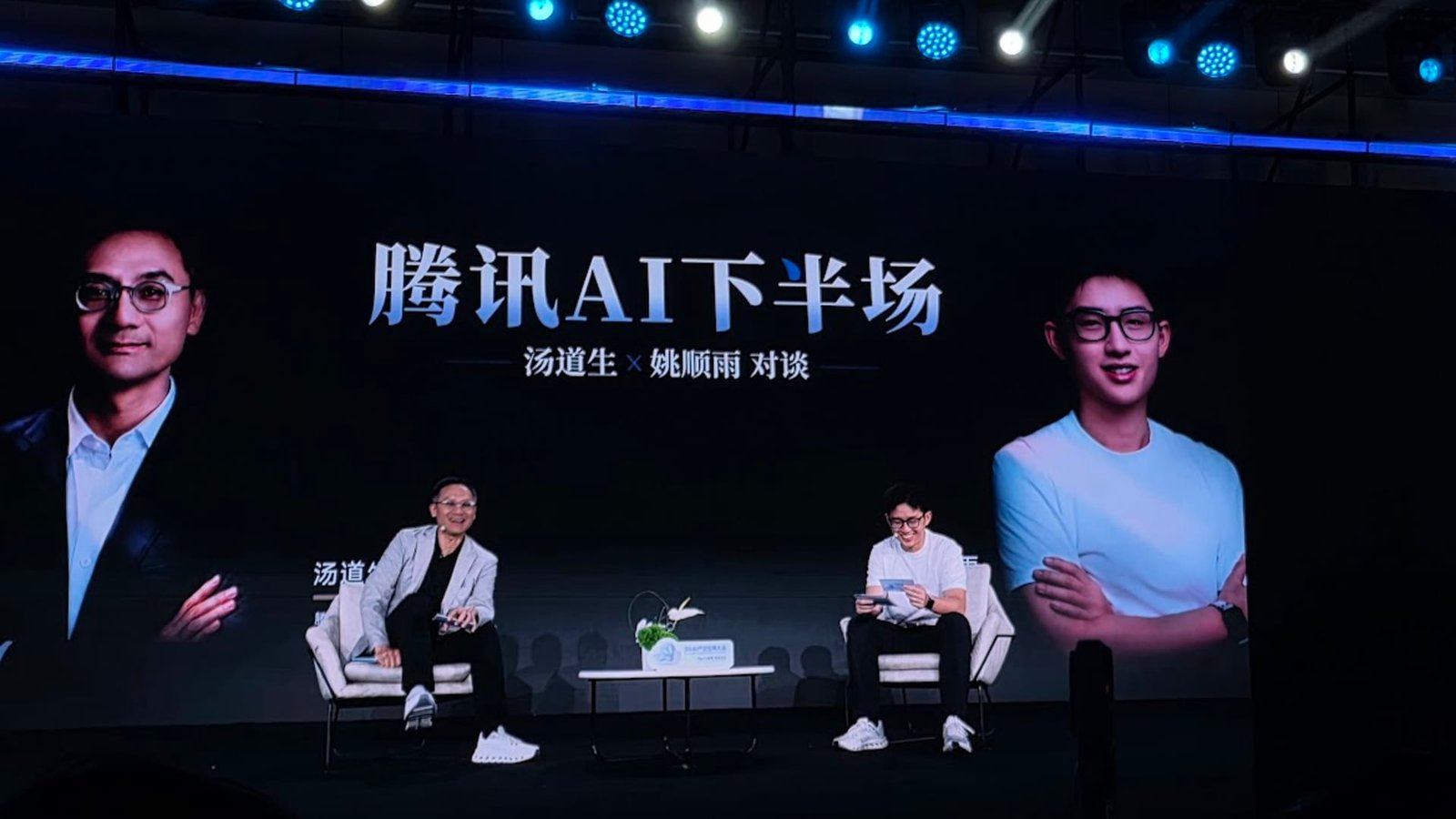
Tencent has appointed Yao Shunyu, a former OpenAI researcher, as its Chief AI Scientist, signaling a significant shift in the technology landscape between the U.S. and China. Yao has articulated ambitions to create artificial general intelligence (AGI) in China, a goal traditionally pursued by American companies like OpenAI, Anthropic, and Alphabet, which owns DeepMind.
Chinese firms, adapting to U.S. chip export controls, have primarily focused on leveraging AI for practical applications, such as in factories and consumer electronics. Baidu’s CEO Robin Li has previously indicated that achieving AGI may take until 2034, whereas Elon Musk had once estimated a timeline as early as 2026. However, as Chinese companies attract talent from Silicon Valley, they are increasingly striving to replicate the ambitious vision for AGI prevalent in the U.S.
During a recent event in Beijing, Yao emphasized the necessity for foundational knowledge and the exploration of new frontiers in AI development. He noted, "I don’t think ChatGPT or Claude will be the only super-app," highlighting vast untapped potential worth trillions of dollars. Yao stressed that the performance of AI tools is paramount, alongside their cost-effectiveness. He suggested that smaller AI models with reliable performance on basic tasks may be the path forward for China.
This optimistic outlook from Tencent stands in stark contrast to caution expressed by U.S. firms. Anthropic recently warned that advanced AI models may soon be able to improve their capabilities autonomously, advocating for a slowdown in new model developments to prevent societal disruption. This perspective emphasizes the ongoing tension surrounding AI safety and competition in the technology sector.
Key Points:
- Why this story matters: The appointment reflects an escalating ambition in AI development within China, which could intensify the technological rivalry with the U.S.
- Key takeaway: Tencent’s focus on AGI underscores a commitment to advancing AI technology, adapting Western aspirations to a Chinese context.
- Opposing viewpoint: U.S. companies are urging caution in AI advancements, highlighting potential risks associated with unchecked technological growth.