


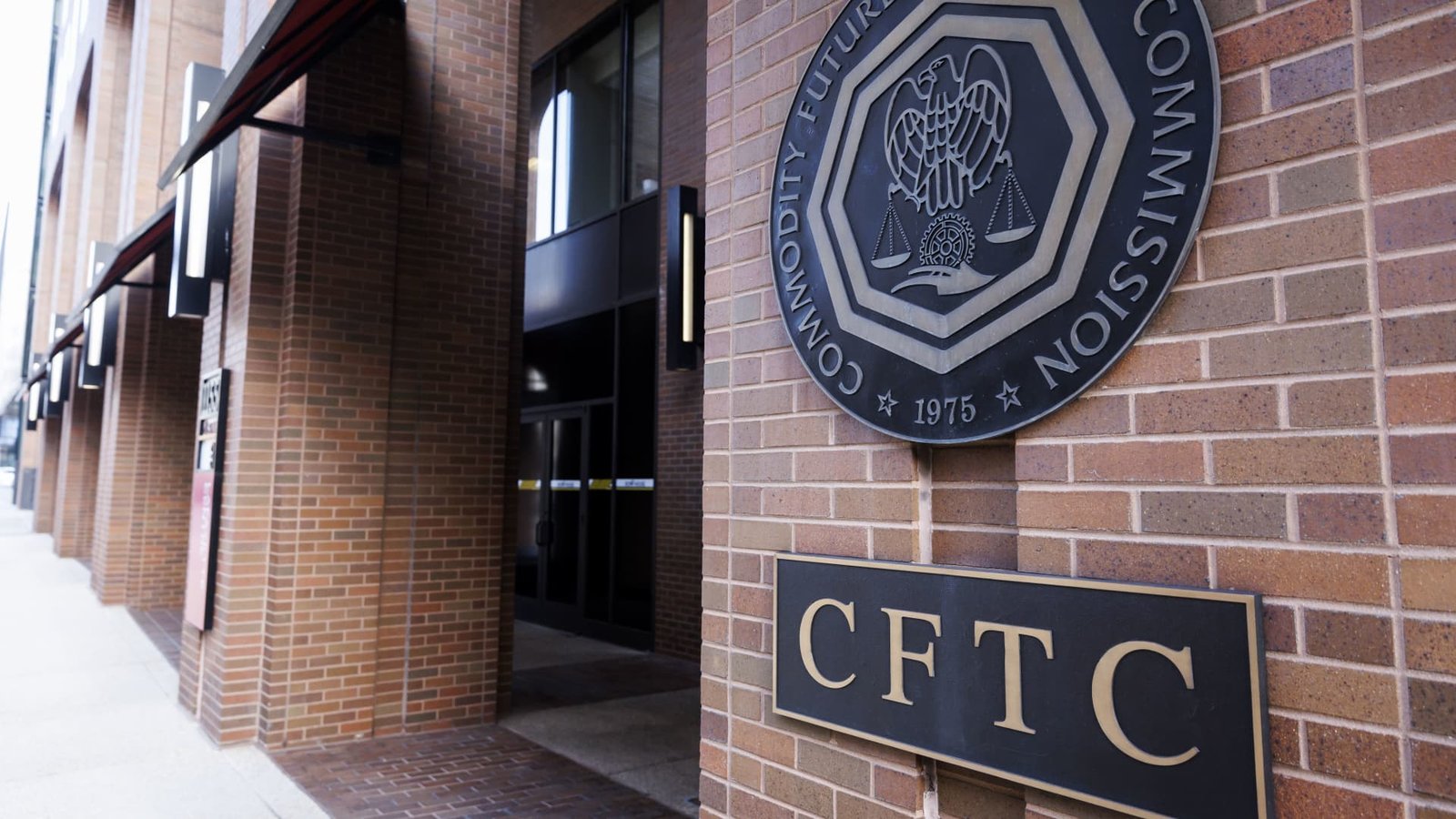
Federal regulators have proposed initial guidelines for overseeing prediction markets, led by the Commodity Futures Trading Commission (CFTC). This framework aims to establish criteria for assessing whether contracts violate public interest or existing laws, particularly in areas related to terrorism, assassinations, and war. The CFTC has not implemented a comprehensive ban on event contracts, which could include sports and elections; however, it emphasizes caution regarding topics traditionally avoided by regulated exchanges.
The proposed rules introduce a process whereby contracts will first be evaluated based on whether they pertain to specific events. The CFTC will then determine if these events fall within categories prohibited by the Commodity Exchange Act, followed by a public interest analysis to decide their legality. Although the rules remain somewhat vague, particularly around gaming contracts, the commission has explicitly identified certain sports-related contracts that will not be permitted.
CFTC Chairman Michael Selig remarked on the necessity of balancing market integrity with innovation, recognizing the rapid growth of prediction markets and the concurrent need for regulation. Following the announcement, the proposed guidelines will be open for public comment for 45 days, and further regulatory updates may follow.
The regulation of prediction markets has drawn attention from state authorities, who assert that many sports-related offerings qualify as betting, an area under their control. However, the CFTC contends that all types of contracts should be classified as swaps, granting them exclusive regulatory oversight. Concerns among bipartisan congressional members also highlight potential risks related to insider trading in these emerging markets.
Why this story matters:
- The guidelines could shape the future of prediction markets, affecting their legality and regulation.
Key takeaway:
- The CFTC aims to create a balanced framework to regulate prediction markets while encouraging innovation.
Opposing viewpoint:
- Some state officials believe that prediction markets, particularly in sports, should fall under state jurisdiction due to potential gambling implications.