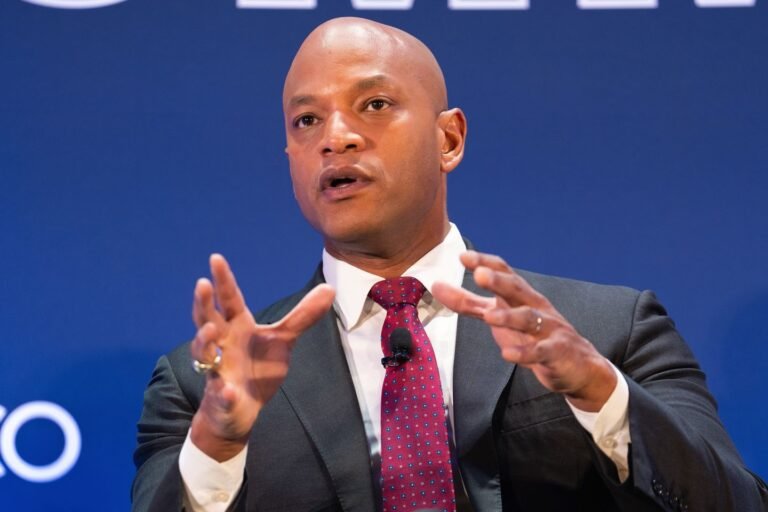




Trolling, a long-standing form of dissent and mockery, has evolved significantly with the advent of social media. Historically relegated to hecklers and jesters, trolling has now emerged as a lucrative endeavor, facilitated by platforms where attention can be commoditized. Algorithms that prioritize sensationalism have enabled individuals to garner fame and financial gain by engendering controversy and inciting reactions.
This competitive nature of trolling has intensified, with individuals resorting to increasingly outrageous antics to seize public attention. While some view this as a form of entertainment akin to professional wrestling, many argue that it has negative societal implications.
Potential solutions to mitigate the adverse effects of trolling are being discussed. One proposed measure is the introduction of a "troll button" that would allow users to opt out of engaging with trolls, effectively minimizing their visibility and influence. There is a recognition that social media companies profit from these dynamics and may be reluctant to make changes that could impact revenue.
The conversation also highlights the need for new standards to classify and assess trolling behavior, suggesting that technological advancements could aid in developing algorithms capable of identifying and managing such content. The narrative emphasizes that changing the incentives for attention-seeking behavior could lead to more positive engagement on social media, ultimately fostering a healthier digital environment.
In summary, there is growing awareness of the detrimental impact of trolling and a call for proactive measures to transform the landscape of social media, thereby enhancing user experience and societal harmony.
Why this story matters: The rise of trolling on social media poses significant challenges to online discourse and mental well-being.
Key takeaway: Redefining user interaction with trolls through simple opt-out mechanisms could foster a healthier online environment.
Opposing viewpoint: Some argue that trolling, when viewed as entertainment, contributes to the vitality of digital culture and discourse.