


A startup named Silicon Data is attempting to introduce futures contracts for artificial intelligence (AI) compute power, akin to how various industries have traditionally used futures markets to stabilize costs. By partnering with CME Group, Silicon Data aims to create a platform that would allow companies to hedge against the unpredictable costs associated with training and deploying AI models. The contracts are pending regulatory approval.
The interest from investors appears to be growing, as asset management firms like ProShares and Rex Shares have swiftly filed for exchange-traded funds (ETFs) connected to these proposed contracts. According to Silicon Data’s founder and CEO, Carmen Li, this market could rival major commodity markets, possibly surpassing oil futures as demand for AI computing resources escalates.
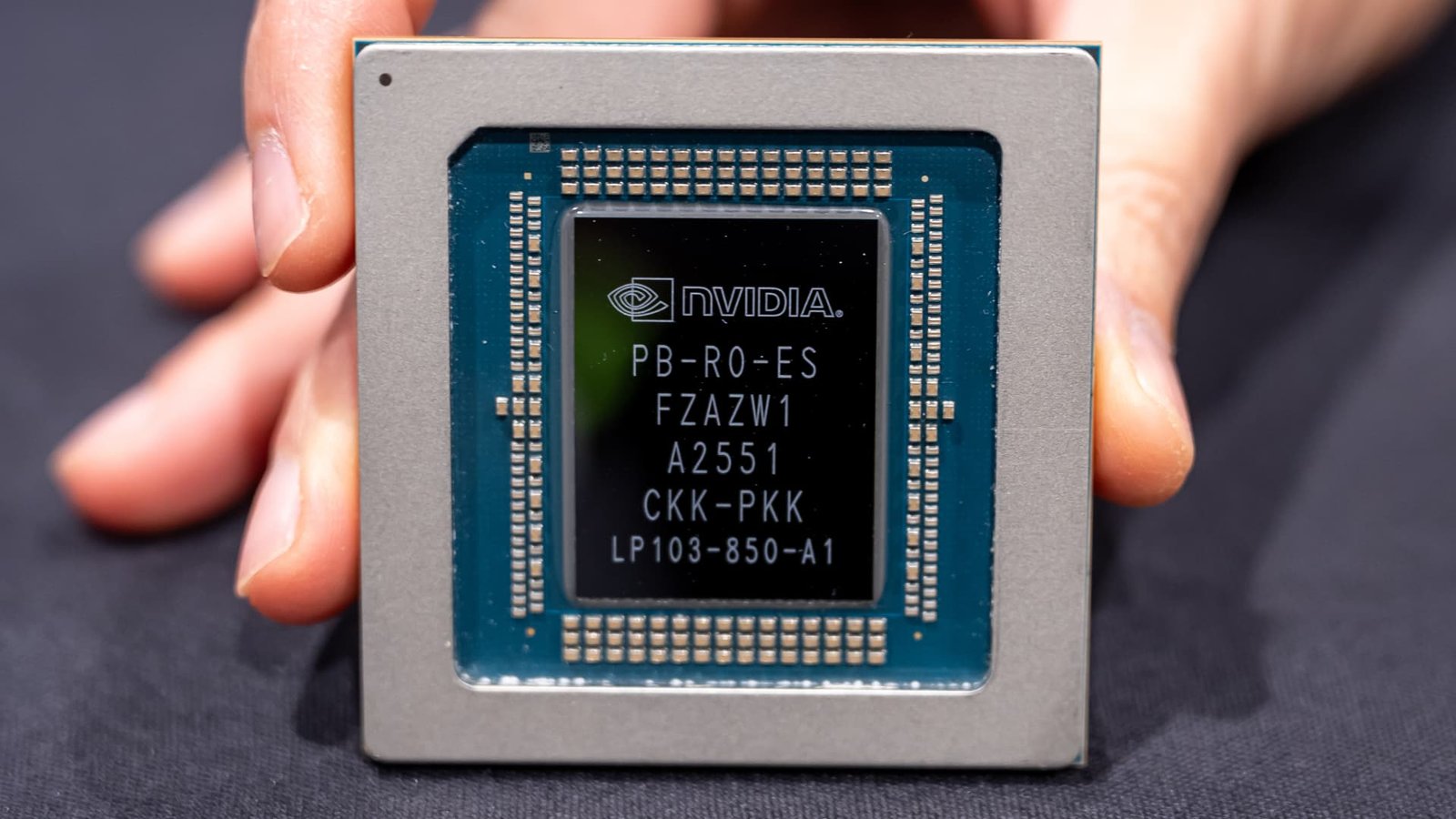
The impetus for this initiative stems from the observation that AI companies rely on computing power much like airlines depend on jet fuel. Most firms do not own the high-end graphics processing units (GPUs) needed for AI but instead rent them from cloud providers. This structure introduces cost volatility, complicating financial planning for businesses.
Silicon Data has established pricing indexes that track the rental costs of GPUs, which they hope will serve as a foundational benchmark for the futures market. Both buyers and sellers will be crucial for the market’s viability, with companies aiming to protect against rising costs and GPU providers looking to hedge against potential price drops.
While some participants will seek to manage risk, speculators may also enter the market, potentially increasing liquidity while raising concerns about price volatility. As the proposed contracts move forward, standardization challenges must be addressed to ensure accurate trading benchmarks.
Why this story matters
- The introduction of AI compute futures could stabilize costs in a rapidly growing market, affecting various industries reliant on AI technologies.
Key takeaway
- Silicon Data’s initiative aims to create a futures market for AI computation, addressing cost uncertainty similar to established commodities.
Opposing viewpoint
- Critics argue that speculation in the futures market might increase price volatility, detaching costs from actual demand.