



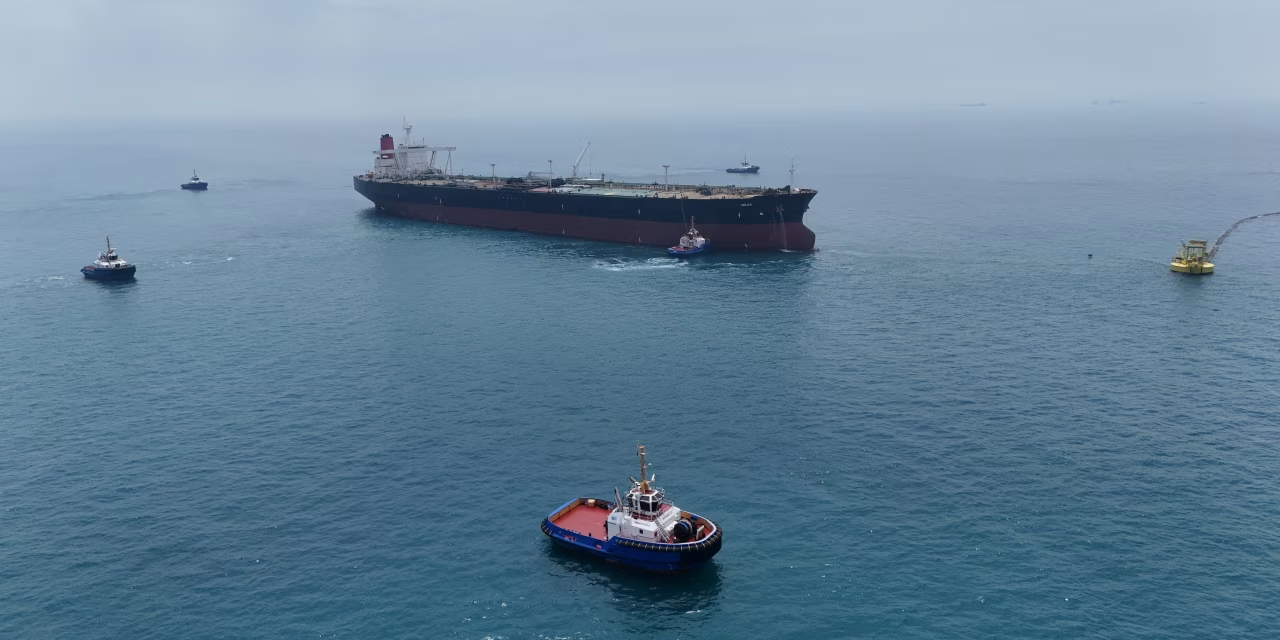
The International Energy Agency (IEA) has projected that a recent oil supply disruption in the Gulf region is likely to lead to a significant decline in global oil demand. The agency forecasts that oil supply will gradually normalize, reaching approximately 8 million barrels per day by 2027. Despite the anticipated recovery, the IEA notes that it will take several months for the flow of oil through the crucial Strait of Hormuz to stabilize.
This development comes on the heels of an interim agreement between the United States and Iran, which is seen as a landmark advancement in ongoing negotiations since the onset of the current conflict. The easing of tensions could potentially facilitate the resumption of oil exports in the long run, though immediate improvements are unlikely.
The Strait of Hormuz remains a vital artery for global oil transportation, and any disruptions can have widespread implications for energy markets worldwide. While some recovery is anticipated, the precise timeline for a full restoration of oil flows remains uncertain, as geopolitical factors continue to play a significant role in the oil supply landscape.
Why this story matters:
- The Gulf oil supply disruptions can significantly impact global oil prices and economies reliant on oil imports.
Key takeaway:
- A normalization of oil supply through the Strait of Hormuz is expected, but recovery will take several months despite recent diplomatic breakthroughs.
Opposing viewpoint:
- While the interim deal with Iran signifies progress, some experts argue that the underlying geopolitical tensions may hinder long-term stability in oil supply.