



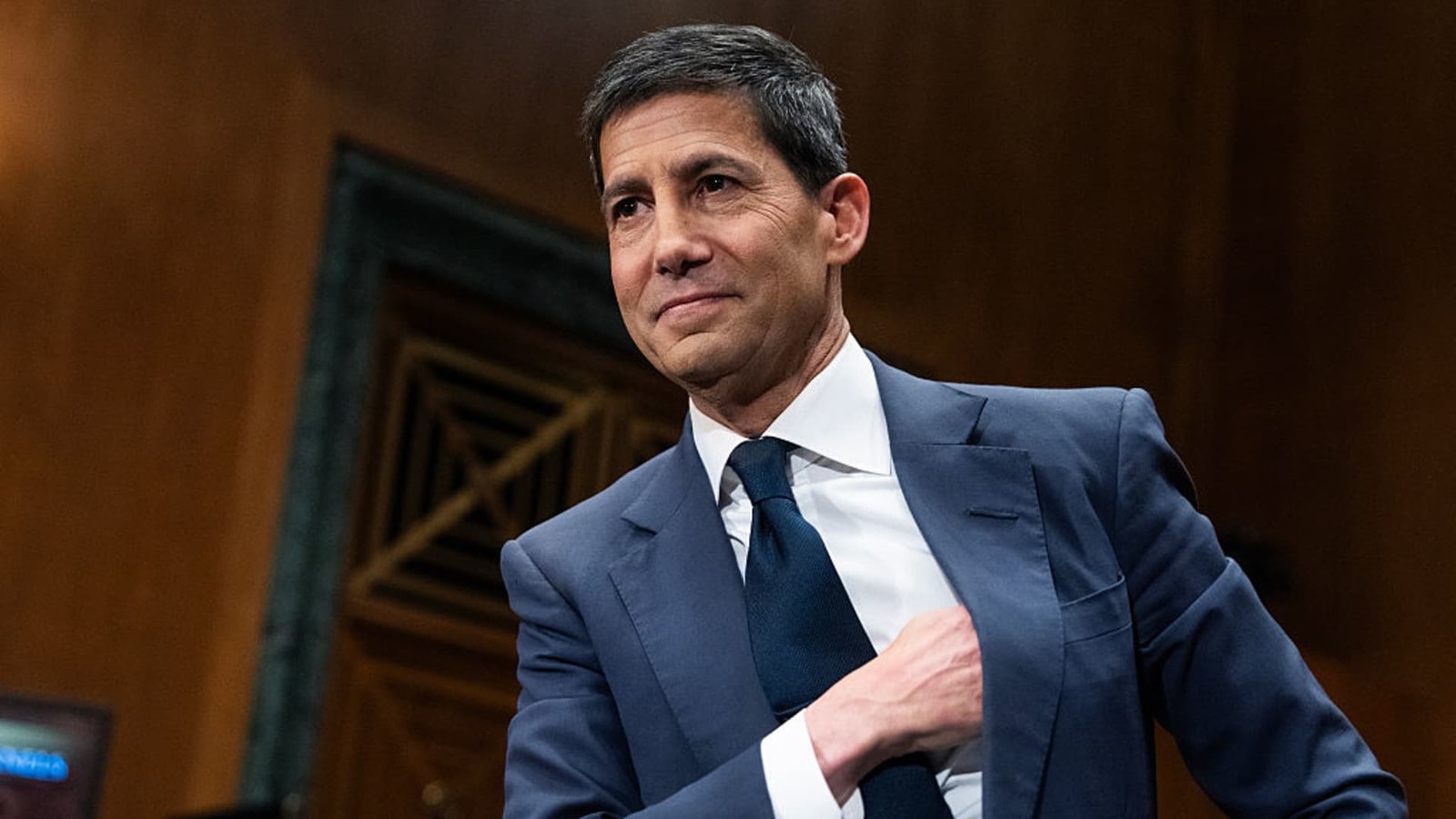
The Federal Reserve’s upcoming policy meeting is expected to diverge from tradition, as new Chair Kevin Warsh may opt not to contribute to the central bank’s dot plot — a visual representation of individual officials’ interest rate forecasts. Economists anticipate that Warsh, who took office on May 22, may abstain due to uncertainties about his readiness or a fundamental disagreement with the dot plot as a tool for forward guidance.
For over 14 years, the dot plot has served as a key communication tool for the Federal Open Market Committee (FOMC), helping to clarify officials’ views on economic conditions and monetary policy. However, Warsh has previously articulated concerns over the limits that such guidance places on decision-making, particularly referencing the Fed’s misjudgment regarding inflation trends in 2021 and 2022. He argues that such forecasts can create a misleading sense of commitment, resulting in delayed responses to evolving economic data.
While forecasters from firms like Bank of America and Goldman Sachs predict Warsh will abstain from submitting a dot, market reactions remain uncertain. Analysts caution that his absence from the dot plot could send mixed signals to investors, leading them to interpret it as an attempt to obscure potential shifts towards tighter monetary policy.
Aside from the dot plot, attention also focuses on potential changes to the FOMC’s post-meeting statements and whether Warsh will maintain the practice of holding news conferences after each meeting. As the Fed navigates these adjustments, the outcomes may significantly influence market perceptions and expectations regarding inflation and monetary policy.
Why this story matters
- The potential removal of the dot plot represents a significant shift in Fed policy communication strategies.
Key takeaway
- Kevin Warsh’s possible decision to bypass the dot plot may reflect deeper concerns about the Fed’s ability to respond effectively to economic changes.
Opposing viewpoint
- Some analysts argue that the dot plot remains a valuable tool for market clarity, and its removal could undermine confidence in the Fed’s commitment to combating inflation.