



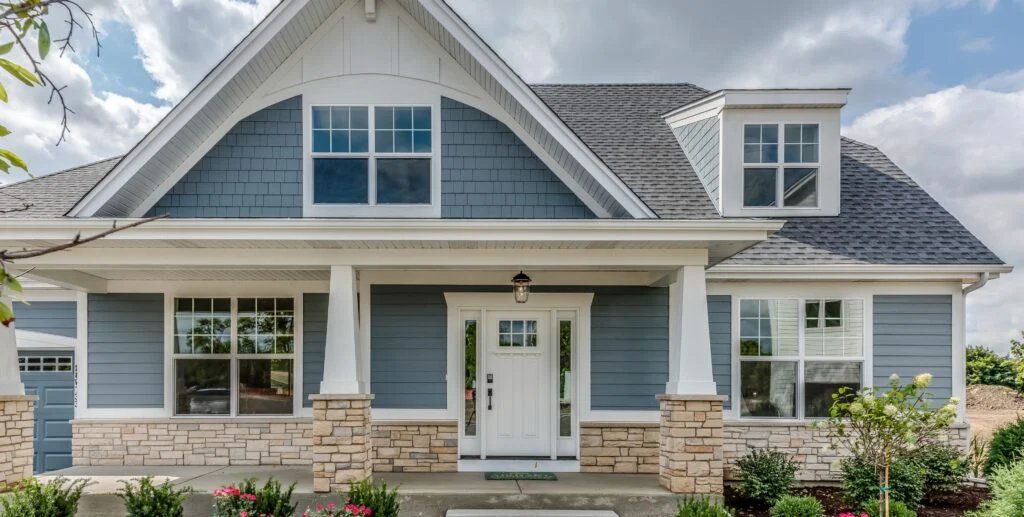
Amid a growing trend of high-end rental communities, affordable starter rental options are increasingly vanishing from the market. Traditionally, modest one-to-three-bedroom homes, studio apartments, and shared rentals have provided affordable housing for newcomers and young professionals. However, rising rental prices have pushed these entry-level options beyond the financial reach of many.
The situation has become increasingly dire, with a Harvard study revealing a drastic decline in rentals priced below $1,400. From 2014 to 2024, the number of such affordable units decreased by 9.3 million, while those priced above $1,400 surged by 11.8 million. As a result, many young adults are being forced to return to their parents’ homes, with 58% citing affordability as the main reason for this trend.
Historically, affordable housing has faced challenges, including the destruction or conversion of Single Room Occupancies (SROs) during the 1970s and 1980s. Given the current housing crisis, a resurgence in affordable housing development may be on the horizon, as states explore legalizing SROs, Accessory Dwelling Units (ADUs), and co-living arrangements.
Small-scale landlords, often referred to as "mom-and-pop" landlords, own about 90% of single-family rental properties in the U.S. These owners have unique opportunities to step in and address the affordable housing gap by implementing creative rental strategies. Options such as renting individual rooms, converting basements and garages, and leveraging zoning changes for residential conversions present viable pathways for these landlords to generate income while providing necessary affordable housing.
As the demand for lower-cost rentals persists, both new and seasoned landlords could profit by adjusting their holdings to meet community needs.
Key Points:
- Why this story matters: The reduction of affordable rental units exacerbates housing insecurity for young adults and newcomers.
- Key takeaway: Small landlords have significant potential to reintroduce affordable rentals through various innovative strategies.
- Opposing viewpoint: Critics may argue that reducing rents through room-sharing can lead to less privacy and a decrease in the quality of living conditions.