



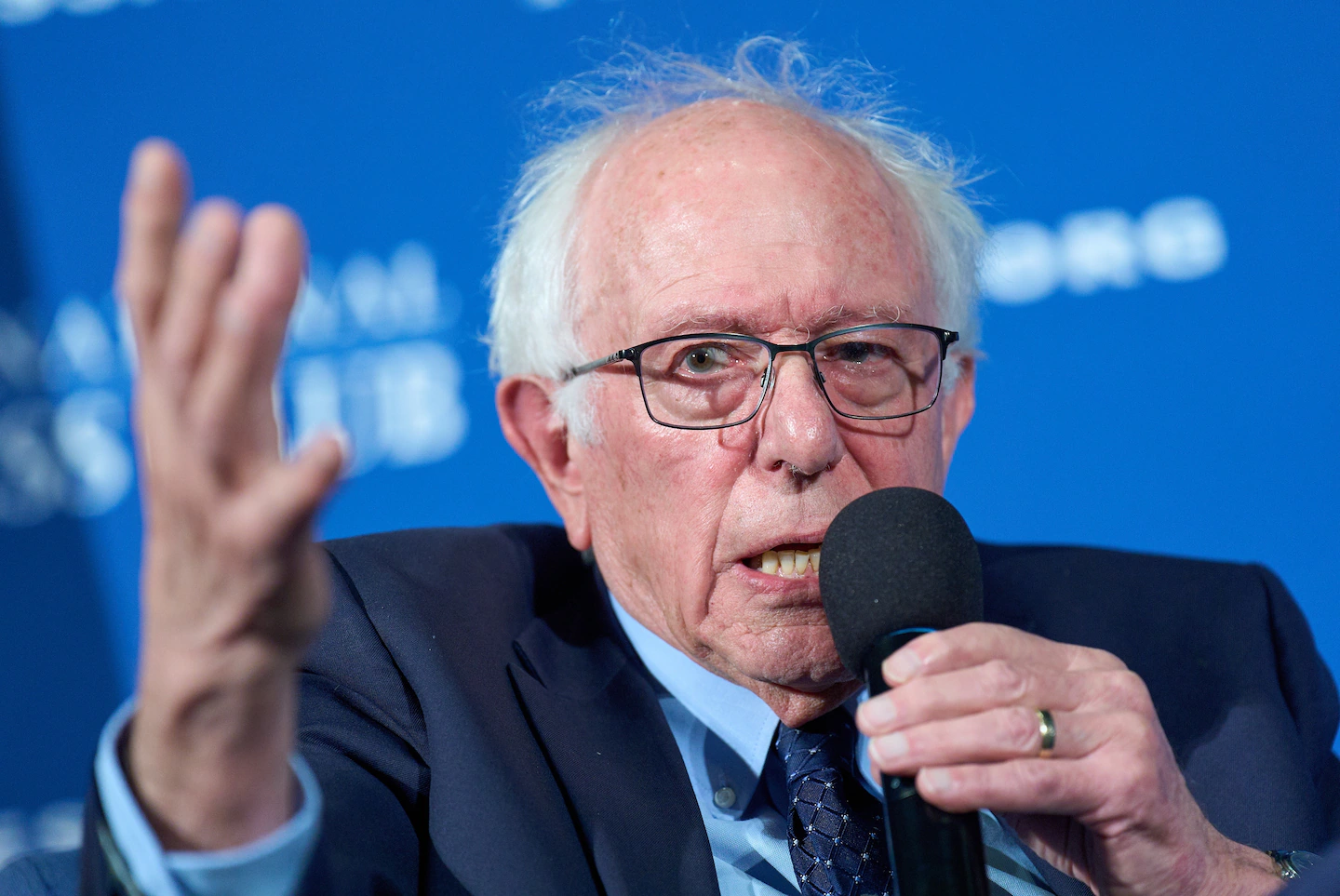
Senator Bernie Sanders of Vermont has proposed legislation that aims to provide Americans with an annual payment of $1,000 from artificial intelligence companies. This initiative seeks to establish a direct financial stake for the public in some of the largest AI firms. The concept has also gained traction among other political figures, including former President Donald Trump, who have expressed similar views on the economic implications of AI technology.
The proposed legislation is intended to address growing concerns over wealth disparity and the economic impact of AI-driven advancements. By allowing the general population to share in the profits of AI innovations, supporters believe it could help foster a more equitable distribution of resources, particularly as automation potentially disrupts traditional job markets.
Sanders emphasized that as AI companies continue to flourish, it is essential to ensure that everyday Americans benefit from the significant economic changes brought about by these technologies. This initiative aims not only to provide financial assistance to individuals but also to encourage a collaborative approach to the integration of AI in society.
Critics of the proposal argue that while the idea of a payout may be appealing, it could create disincentives for work and reduce the drive for innovation. Additionally, there are concerns regarding the feasibility of implementing such a program and the potential ramifications for AI companies operating in a rapidly evolving industry.
Why this story matters: The legislation highlights the growing concern over economic justice amid rapid technological advancements.
Key takeaway: The proposed $1,000 annual payment aims to ensure that Americans benefit from AI-driven profits.
Opposing viewpoint: Critics warn that financial payouts could disincentivize work and hinder innovation in the AI sector.