


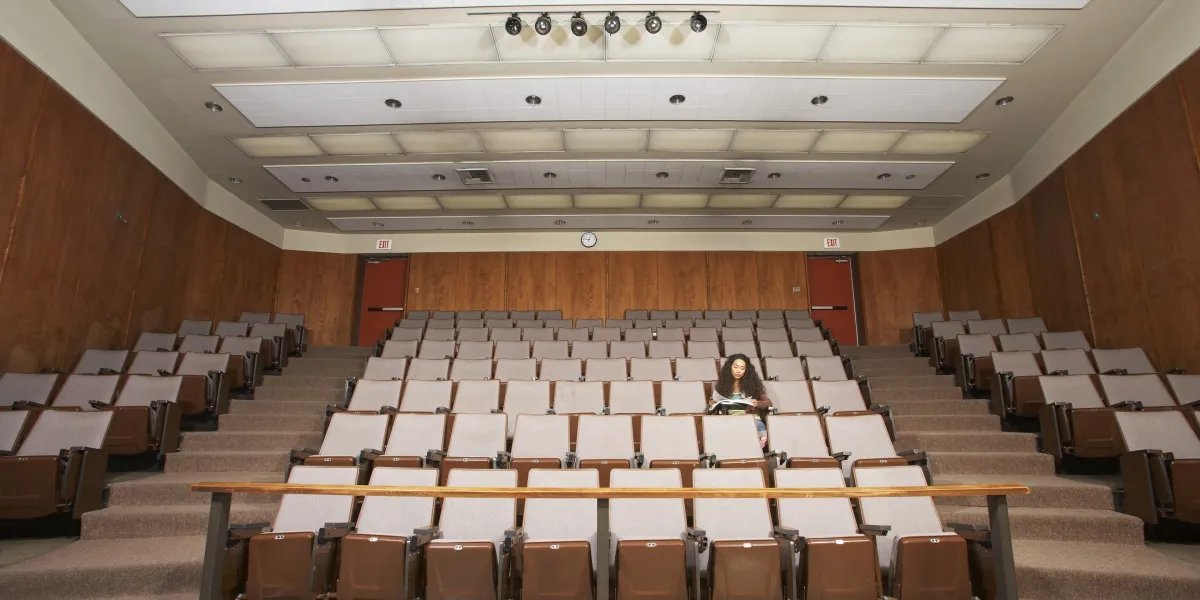
Universities and colleges nationwide are facing significant challenges related to declining enrollment, a situation exacerbated by the sustained low birth rate stemming from the Great Recession. Educational leaders are increasingly acknowledging this trend, suggesting that the traditional model of higher education is becoming unsustainable for many institutions.
Recent announcements from various universities indicate that enrollment shortfalls are leading to budget deficits, a situation that many institutions have not experienced in years. Syracuse University’s chancellor noted that the school missed its undergraduate enrollment target for the upcoming fiscal year, which could result in financial challenges ahead.
Data shows that post-secondary enrollment in the U.S. increased by only 1% for the fall of 2025, a stark reduction from previous years. Small private institutions are particularly at risk, with many experiencing existential threats due to financial constraints. In New England, Hampshire College recently announced its closure due to enrollment issues, highlighting a broader trend where over 30 colleges have either closed or merged in the past decade.
As universities grapple with budget cuts prompted by reduced tuition revenue, many are facing a demographic shift reflective of fewer high school graduates entering the college pipeline. Research indicates a projected decline in the college-aged population in the coming years, which could greatly impact smaller schools with limited financial resources.
Despite the challenges, larger institutions and elite universities may remain insulated from these trends, as demand for their programs continues to be strong. However, many smaller and mid-tier schools will likely continue to struggle, leading to potential closures if enrollment patterns do not improve.
Bold points:
- Why this story matters: The ongoing enrollment decline poses significant threats to the viability of many colleges, particularly smaller institutions.
- Key takeaway: Many universities are unprepared for the financial repercussions of this demographic shift, highlighting a crisis in higher education.
- Opposing viewpoint: Prestigious universities may remain unaffected by these trends due to sustained interest and financial stability.