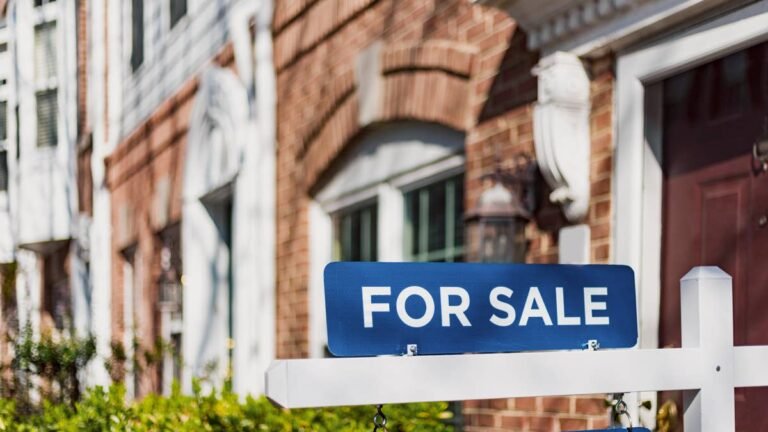



A new strategy has emerged in the real estate market, allowing buyers to acquire properties at significantly reduced prices. This approach centers on purchasing homes that have fallen into disrepair or are facing foreclosure. Investors and homebuyers alike are capitalizing on declining property values, particularly in regions affected by economic downturns or changes in local industries.
Many of these properties can be acquired for half their market value, making them attractive options for buyers looking to enter the housing market. While this presents potential benefits for individual buyers, it also brings challenges. Investors may seek to renovate and resell these homes at a profit, potentially displacing long-term residents in the process.
Local governments are responding to this trend by implementing regulations aimed at preserving affordable housing and ensuring community stability. These measures include requiring investors to commit to affordable rent or to rehabilitate properties in line with community standards.
The implications of this shift in the market vary widely. Supporters argue that the opportunity for buyers to purchase homes at discounted prices can lead to revitalized neighborhoods and economic growth. Critics, however, warn that the influx of investors may exacerbate housing shortages and drive up prices for existing residents.
As the trend continues, stakeholders including buyers, investors, and local authorities must navigate the complexities of a changing real estate landscape to balance investment opportunities with community needs.
• Why this story matters: This trend could reshape communities and access to affordable housing.
• Key takeaway: Purchasing distressed properties can offer buyers significant savings, but may pose risks to local residents.
• Opposing viewpoint: While the potential for revitalization exists, there are concerns about displacement and rising costs for current residents.