

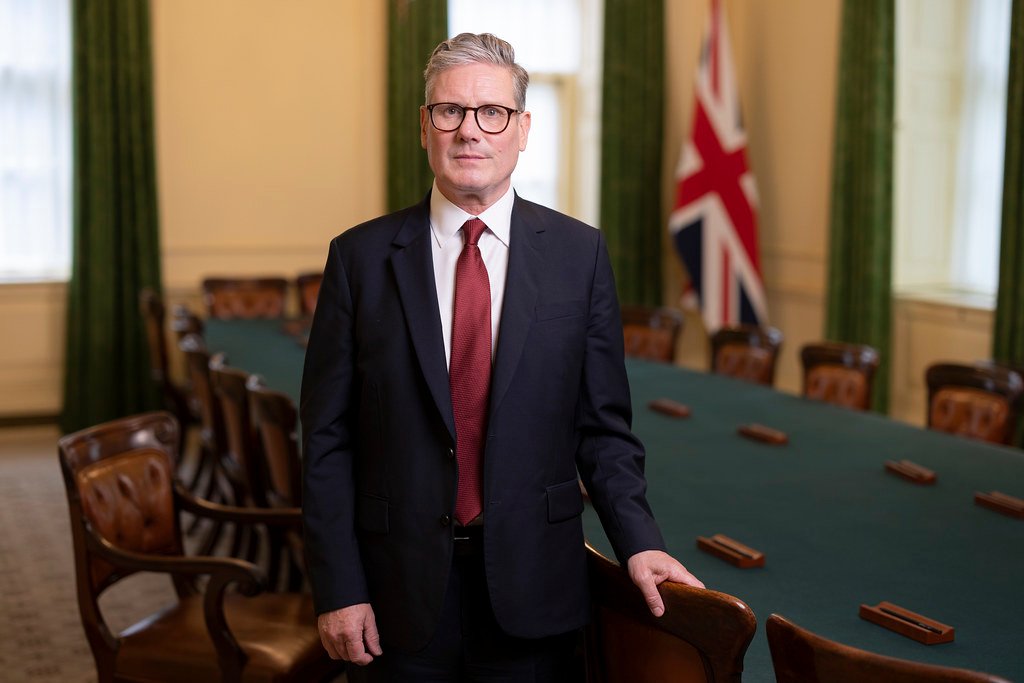
Keir Starmer has officially resigned as Prime Minister and leader of the Labour Party, pending the election of his successor. Among the front-runners is Andy Burnham, who quickly announced his candidacy following Starmer’s departure.
Burnham has outlined several proposals aimed at supporting small businesses. A notable pledge during his by-election campaign includes a 20% reduction in business rates specifically for pubs and music venues, financed through increased taxes on out-of-town warehouses and online retailers such as Amazon. He intends to raise the threshold for business rates to exempt many small businesses from these fees altogether.
Additionally, Burnham plans to reassess the increase in employer National Insurance contributions proposed in the 2024 Autumn Budget, expressing concerns over its implications but stopping short of committing to overturn the decision. He also aims to enhance vocational opportunities for youths aged 16-18 by securing more work placements and ensuring guarantees for apprenticeships.
Rising uncertainty in the political climate has left many entrepreneurs anxious about the future. Simon Pratt, COO at Portman Finance Group, emphasized the need for stability, stating that uncertainty hampers investment, growth, and access to necessary financing for small and medium enterprises (SMEs). He warned that delays in projects and slower payment of invoices are already affecting businesses significantly.
Eva Barboni, executive director of Enterprise Britain, echoed this sentiment, stating that entrepreneurs seek a government with a clear economic strategy that recognizes the essential role of growing companies in driving economic progress and job creation.
Why this story matters
- The future leadership of the Labour Party could significantly influence small business policies and economic stability in the UK.
Key takeaway
- Andy Burnham’s proposals focus on reducing financial burdens for small businesses and fostering youth employment.
Opposing viewpoint
- Some may argue that fiscal strategies like increased taxes on large retailers could have unintended consequences on economic growth and consumer prices.