


SpaceX is being compared to Nvidia in terms of potential impact on the space economy, primarily due to its role in infrastructure development. Similar to how the AI sector expanded beyond software to include significant investments in data centers and other supportive technologies, analysts believe SpaceX’s advancements could lead to a new wave of businesses in space.
Oppenheimer recently increased its forecast for the global space economy, predicting it could reach $800 billion by 2035. However, the exact sources of revenue to achieve this figure are under scrutiny, as current rocket launches may not suffice to support such a robust market.
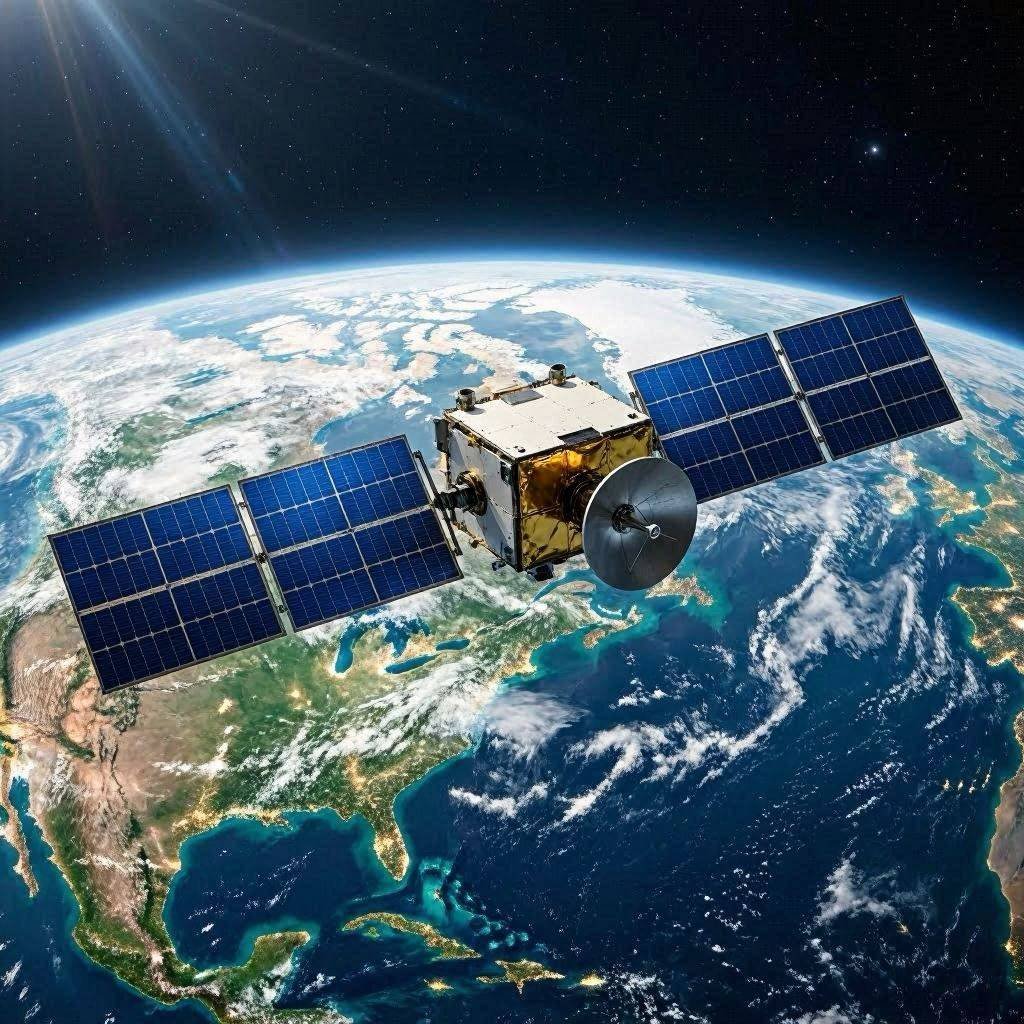
A notable example of SpaceX’s influence is Starlink, which, after launching over 9,000 satellites, has become one of the largest global communication networks, serving millions. This success showcases how affordable access to orbit can open new business avenues.
Additionally, the Earth observation market, currently valued at more than $7 billion, is predicted to double in the next decade, largely driven by commercial applications of satellite imagery. The emerging concept of Earth intelligence, which combines satellite data with artificial intelligence, holds substantial promise, with estimates that it could generate nearly $20 billion in revenues in the next five years.
Innovative developments in space manufacturing and orbital computing further illustrate the potential expansion of the industry. Companies like Varda and Starcloud are exploring microgravity manufacturing and space-based data centers, respectively.
Overall, the future of the space economy appears bright, with expectations for new industries to be established as infrastructure progresses and market demands evolve.
Why this story matters
- It highlights the transformative potential of SpaceX in the space industry.
Key takeaway
- The growth of the space economy may lead to new business opportunities beyond launch services.
Opposing viewpoint
- Skeptics may argue that current investments in space infrastructure may not yield immediate financial returns or that the market could oversaturate.