



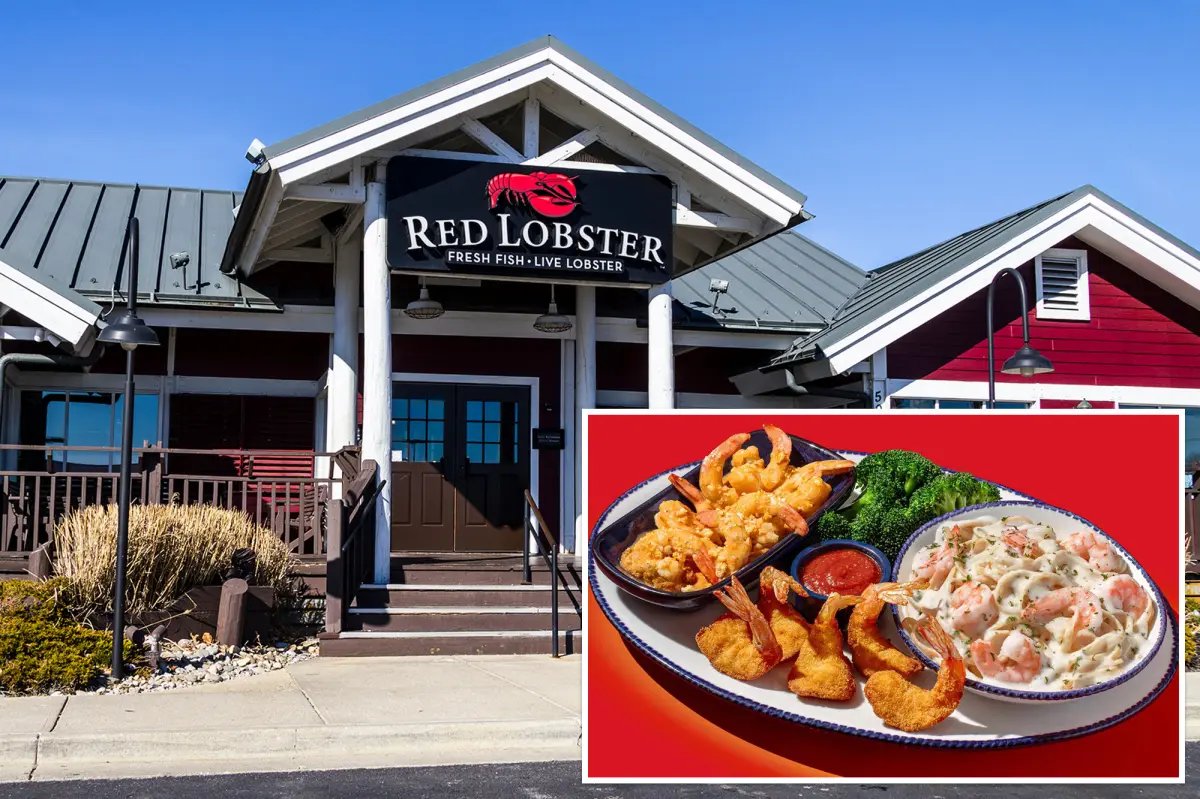
A recent lawsuit claims that the $20 "Endless Shrimp" promotion contributed to Red Lobster’s bankruptcy and was part of a broader scheme by its former owner, Thai Union, to extract maximum value from the chain. Filed in the Ninth Judicial Circuit Court in Florida by a trust representing Red Lobster’s creditors, the suit alleges that the promotion turned a successful strategy into a financial disaster.
According to the lawsuit, Thai Union, a major seafood producer based in Bangkok, treated Red Lobster primarily as a vehicle to distribute its seafood products, particularly when the company was facing financial difficulties. The legal action asserts that the permanent implementation of the "Endless Shrimp" deal, which led to a staggering loss of $11 million in one quarter, forced Red Lobster into purchasing shrimp at inflated rates from Thai Union, despite declining customer spending.
Thai Union first acquired a minority stake in Red Lobster in 2016 and gained majority control in 2020. The lawsuit describes how representatives from Thai Union took an active role in Red Lobster’s management, leading to a restructuring of supplier contracts that frequently favored Thai Union’s products. Following this shift, Red Lobster defaulted on a loan in 2023 and subsequently filed for bankruptcy in January 2024. Thai Union announced plans to divest from the company afterward, which led to ownership being transferred to an investment group.
Now under the leadership of CEO Damola Adamolekun, Red Lobster is working on a turnaround strategy, which includes bringing back the "Endless Shrimp" promotion as a limited-time offering.
Why this story matters:
- Highlights potential corporate governance issues in large food chains.
Key takeaway:
- Promotions intended to boost sales can lead to financial loss if not implemented judiciously.
Opposing viewpoint:
- Some may argue that the "Endless Shrimp" deal was a strategic gamble that could have succeeded under different management conditions.