


Iran has reiterated its authority over commercial shipping in the strategically vital Strait of Hormuz, emphasizing the need for coordination with Iranian authorities following an incident where a cargo ship was struck in the waterway. Kazem Gharibabadi, Iran’s deputy foreign minister, conveyed this message on social media, stating that the safety of vessels transiting the strait can only be guaranteed through cooperation with Iran.
Gharibabadi referenced a provision from the Islamabad memorandum of understanding, which calls for Iran to lift its blockade of the strait for at least 60 days and engage in discussions about the governance of the waterway with Oman. However, this provision does not clarify who holds authority over the strait during negotiations, contributing to ongoing tensions.
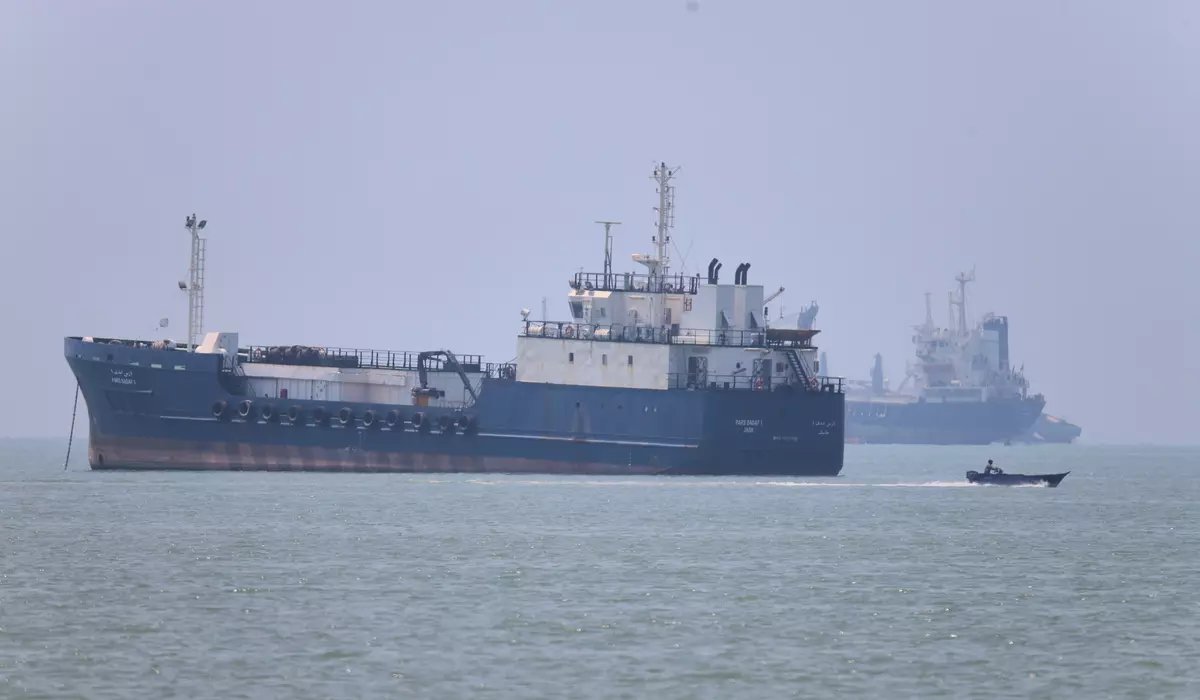
The uncertainty comes amidst efforts to revive commercial shipping traffic, as Iran had effectively closed off the strait for several months. Earlier this week, the International Maritime Organization began directing vessels out of the Persian Gulf via Omani waters. The Singapore-flagged ship Ever Lovely experienced a strike from an unidentified object while making this transit; fortunately, there were no casualties, and the ship completed its journey.
While Iran has not accepted responsibility for the incident, unnamed U.S. officials suggest that Tehran may have been involved. Concurrently, the Islamic Revolutionary Guard Corps issued warnings to vessels deviating from approved routes, highlighting concerns about maritime safety. As a result of the attack, the International Maritime Organization temporarily halted its guidance efforts until security assurances are confirmed from relevant parties.
Why this story matters:
- Tensions in a critical maritime passage can impact global shipping and oil markets in a significant way.
Key takeaway:
- Iran’s assertion of control over the Strait of Hormuz underscores regional complexities and the risks associated with international shipping.
Opposing viewpoint:
- Some argue that Iran’s restrictions and military posturing threaten global maritime security and could provoke further international interventions.