



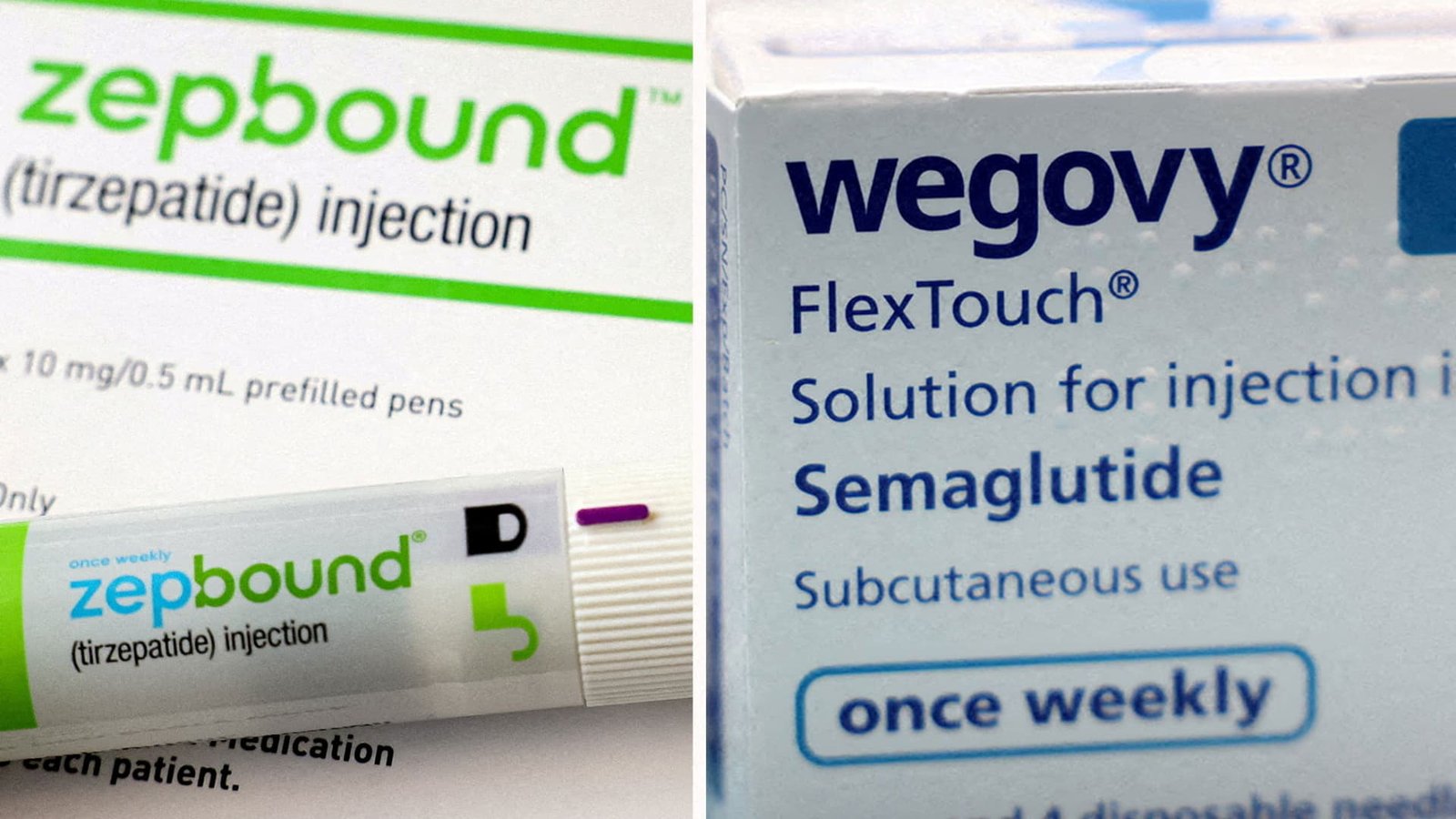
Starting Wednesday, millions of older Americans enrolled in Medicare will receive coverage for obesity medications, a significant development in Medicare benefits. Eligible beneficiaries can access GLP-1 drugs, which are designed for weight management, for a copay of $50 per month. This initiative is part of Medicare’s new Bridge demonstration program, which temporarily allows coverage for these medications, even for obesity treatment, despite federal regulations that previously restricted such access.
Currently, Medicare Part D includes coverage for GLP-1s used to treat diabetes and heart conditions, but this new coverage significantly broadens eligibility, targeting beneficiaries with obesity-related health concerns, such as prediabetes and hypertension. Approximately 69 million people are enrolled in Medicare, and projections indicate that several million could seek these medications under the Bridge program. Health officials estimate that 15 to 20 million older adults may qualify.
Despite the promise of expanded access, the implementation of this program may face challenges. Healthcare providers will need to navigate a prior authorization process to confirm patients’ eligibility, which some have expressed concerns about, citing potential strains on healthcare facilities and pharmacies. Experts urge patience as the system adjusts to the anticipated increased demand for obesity drugs.
The longevity of the Bridge program is uncertain, scheduled to last until the end of 2027, unless further legislative action is taken. There are discussions concerning reliance on future programs that may not guarantee continued coverage. Experts highlight the importance of stable access to these medications, as discontinuation can lead to weight regain, raising concerns for those who begin long-term treatments.
Why this story matters:
- Expanded access to obesity medications may improve health outcomes for millions of older Americans.
Key takeaway:
- Medicare’s new coverage for obesity drugs offers a significant breakthrough, but its temporary nature raises questions about future access.
Opposing viewpoint:
- Concerns regarding the prior authorization process and program sustainability suggest potential access barriers for patients needing these essential medications.