

President Vladimir Putin has downplayed the impact of recent Ukrainian attacks on Russian oil refineries, insisting that these setbacks are “not critical” for Russia, a major player in the global oil market. Despite fuel shortages affecting various regions, including Crimea, Putin remains firm on continuing military operations in Ukraine and rebuffing ceasefire proposals.
Analysts suggest that these Ukrainian strikes, aimed at pressuring Moscow, highlight the worsening fuel crisis in Russia, evidenced by reports that one-third of the nation’s refining capacity has been impacted. In response, the Russian government has implemented fuel rationing, and gasoline production has dropped significantly. Putin announced measures to expedite repairs and suggested the country might import fuel to address temporary shortages.
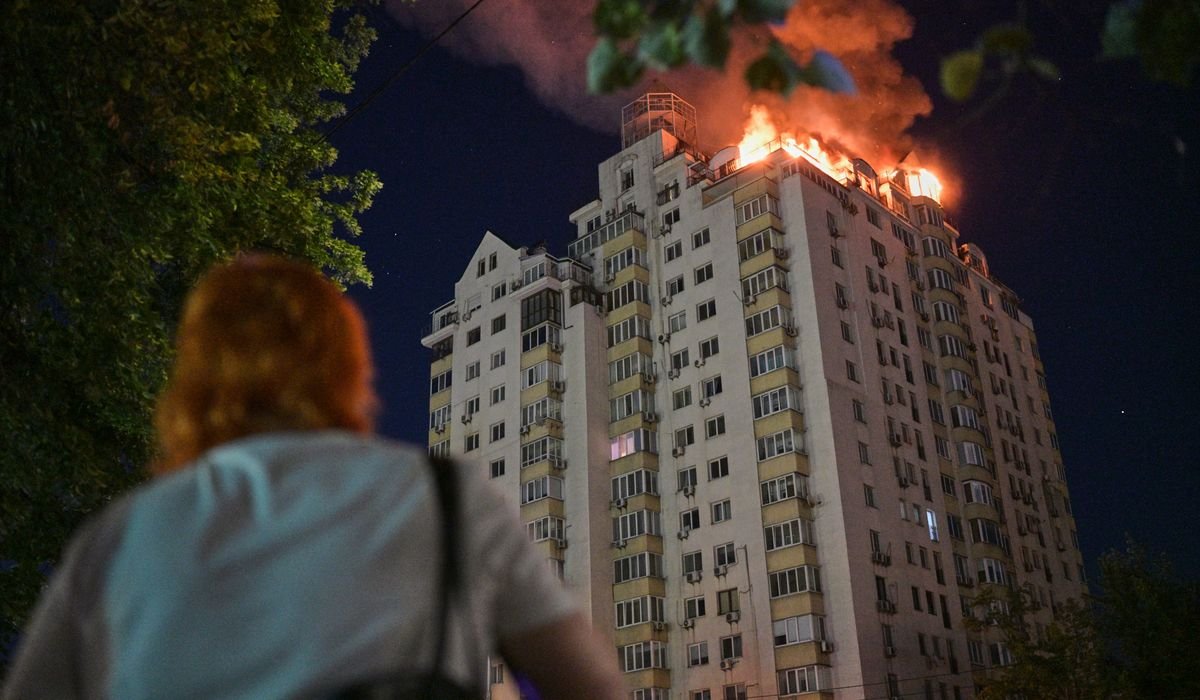
The conflict has escalated, with a recent massive aerial bombardment on Kyiv resulting in at least 30 casualties, marking one of the deadliest attacks since the invasion began. While Putin dismisses the Ukrainian strikes as ineffective on the frontline, Western military analysts assert that they have disrupted Russian military logistics, leading to a stalemate on the battlefield.
In light of increasing attacks, Putin warned that a further escalation could necessitate the establishment of a broader security zone in Ukraine. He has rejected offers of a truce, asserting that a ceasefire would only allow Ukrainian forces to regroup. As tensions mount, the conflict shows no signs of abating, continuing to impact lives on both sides.
Bold Points:
- Why this story matters: Rising fuel shortages in Russia may signal weakening support for the war amid ongoing conflict.
- Key takeaway: Despite mounting pressures from Ukrainian attacks, Putin remains resolute in his military strategy and dismisses calls for a truce.
- Opposing viewpoint: Analysts argue that the Ukrainian strikes have successfully disrupted Russian military advances, contrary to Putin’s assertions.