


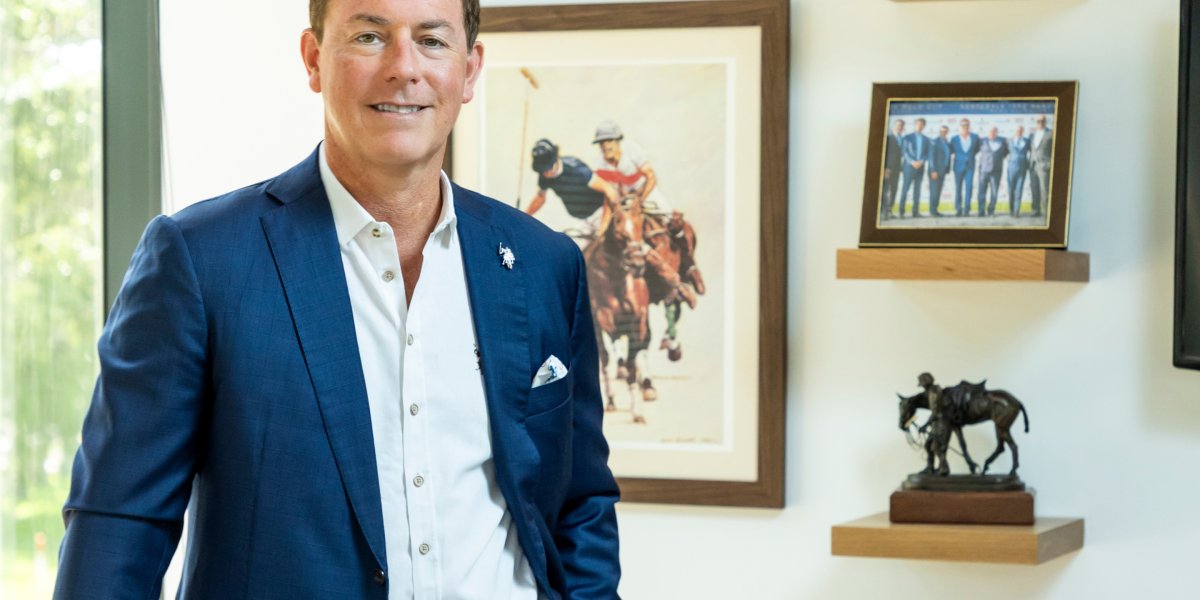
The demanding lifestyle of CEOs often involves extensive work hours, with many averaging 62-hour workweeks. J. Michael Prince, CEO of U.S. Polo, has recognized the toll such overworking can take on personal well-being. After reflecting on years spent under constant pressure, he has adopted a more balanced approach to his role, choosing to avoid contacting his team outside of work hours unless absolutely necessary.
Prince manages a global brand valued at approximately $2.7 billion, overseeing 1,200 stores in 190 countries, yet he emphasizes the importance of respecting his employees’ personal time. He leaves the office by 5:30 p.m. each day and takes weekends off, allowing his team to spend quality time with their families and recharge. This shift comes after an intense career marked by 90-hour workweeks and all-nighters, which he acknowledges detracted from his health.
His routine now includes waking early for exercise, family breakfast, and a more relaxed commute, allowing him to preserve family time in the evenings. Prince’s experiences underline the necessity of achieving a sustainable work-life balance over time.
Other prominent CEOs, such as Netflix cofounder Marc Randolph and Whole Foods CEO Jason Buechel, share similar perspectives on maintaining personal boundaries. Randolph instituted a strict cutoff for work on Tuesdays for over 30 years, prioritizing personal time despite business pressures. Buechel encourages regular workouts and advocates for employees to take their full annual leave, promoting a culture of work-life balance within the organization.
As the corporate landscape evolves, the emphasis on well-being and work-life harmony appears to be gaining traction among leadership.
Bold Points:
- Why this story matters: It highlights the growing recognition among CEOs of the importance of work-life balance for both personal well-being and employee productivity.
- Key takeaway: Achieving professional success should not come at the expense of mental and physical health; sustainable practices benefit both individuals and companies.
- Opposing viewpoint: Some argue that high-level success inherently requires long hours and dedication, which traditional corporate culture often glorifies.