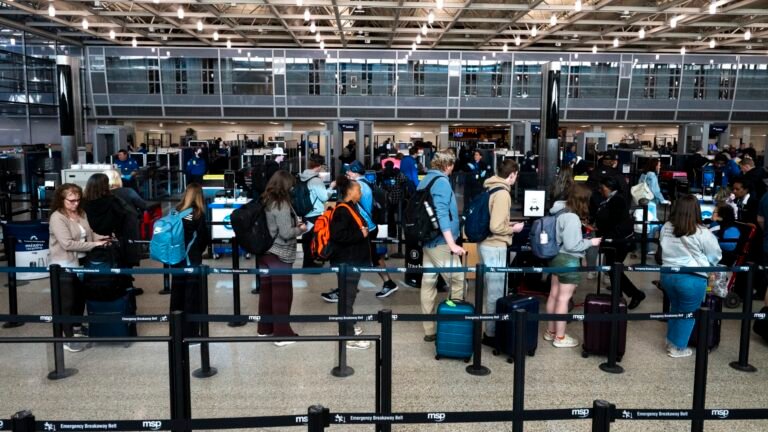




Growing numbers of U.S. travelers are shifting their international vacation plans to the offseason, driven by a desire to avoid high prices, heat, and crowds. Airlines and hotels are adapting to this trend, offering services that extend into traditionally off-peak periods. For example, American Airlines has begun flights from New York to Edinburgh, Scotland, in March, and United Airlines has extended its Newark to Palermo service through December.
The International Air Transport Association estimates airlines will face a $100 billion revenue loss this year due to rising jet fuel prices. To mitigate their losses, airlines are focusing on attracting high-spending customers during these newly established travel windows. Delta and United have reported significant growth in their stock prices, reflective of strong demand despite increasing costs.
Executives note that the once-clear seasonal boundaries for international travel are dissolving, creating a new "creep of the seasons." This evolution in travel patterns is prompting airlines like Delta to rethink their maintenance schedules and operational strategies, aiming to maximize profitability year-round.
The demand for off-peak travel is not only a response to environmental conditions, such as recent heat waves in Europe, but also reflects changing consumer behaviors. Younger generations are benefiting from more flexible work arrangements, while affluent Baby Boomers are taking advantage of their resources for travel beyond conventional timeframes.
United Airlines plans to maintain its flights to Sicily, banking on the appeal of cultural experiences in the shoulder season. By catering to travelers’ interests outside the summertime rush, airlines are reexamining how they allocate resources and schedule services to optimize economic returns throughout the calendar year.
Why this story matters:
- Reflects a significant shift in international travel patterns, impacting airline strategies and profitability.
Key takeaway:
- Airlines are adapting to year-round travel demand, redefining traditional peak seasons to maximize profits.
Opposing viewpoint:
- Concerns exist about overtourism and its environmental impact, even in off-peak travel seasons.