


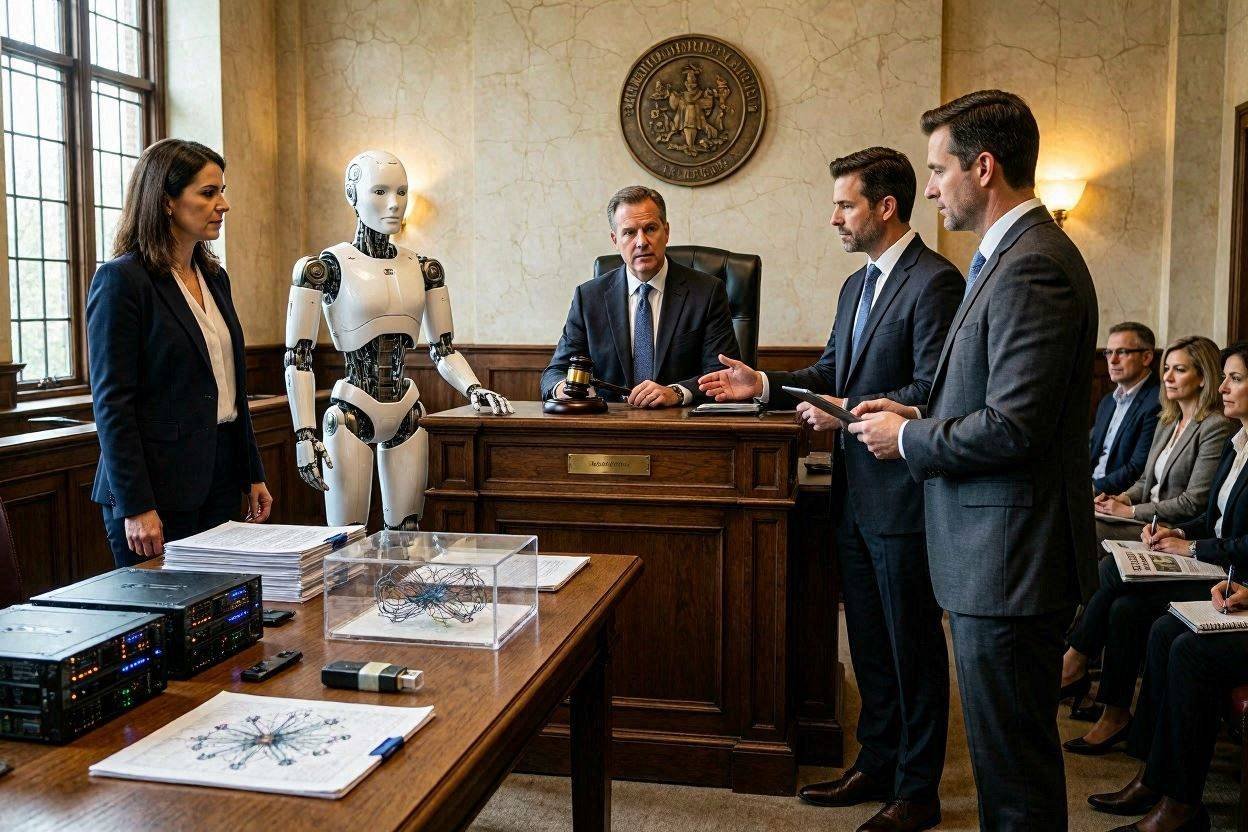
A recent ruling by a German court established that Google may be held liable for false statements generated by its AI Overviews. This decision marks a significant shift in how search engines, traditionally viewed as neutral platforms, are now implicated in the creation of information. Unlike conventional search methods, which merely present links to existing content, Google’s AI method synthesizes information from various sources to generate new responses.
The case arose when Google’s AI falsely connected two publishers to fraudulent activities, indicating a failure in the system’s reliability. Historically, search engines have been exempt from liability under Section 230 of the Communications Decency Act, which protects platforms from being held responsible for user-generated content. However, this legal shield was created before the advent of generative AI, which raises new questions about platforms’ responsibilities.
While the implications of the ruling may be far-reaching, the landscape in the United States is still evolving. Courts are just starting to tackle similar questions regarding AI’s accountability for content. In one case, OpenAI faced a defamation lawsuit after its ChatGPT model incorrectly accused a radio host of misconduct, with the court ruling in favor of the company. Conversely, a federal judge in Florida allowed a wrongful death lawsuit related to chatbot interactions to proceed, suggesting a reluctance to grant AI producers blanket immunity.
These legal developments could potentially compel AI companies to enhance their systems with better safeguards and clearer source tracking, especially as they expand their user bases into the billions. The evolving legal framework will likely influence future AI product development and rollout strategies.
Why this story matters
- The outcome could redefine liability standards for AI-generated content, influencing the entire tech industry.
Key takeaway
- Google’s case highlights the need for legal frameworks to evolve alongside technological advancements like generative AI.
Opposing viewpoint
- Some argue that existing laws sufficiently protect AI producers, suggesting that the courts should not impose additional liabilities.