



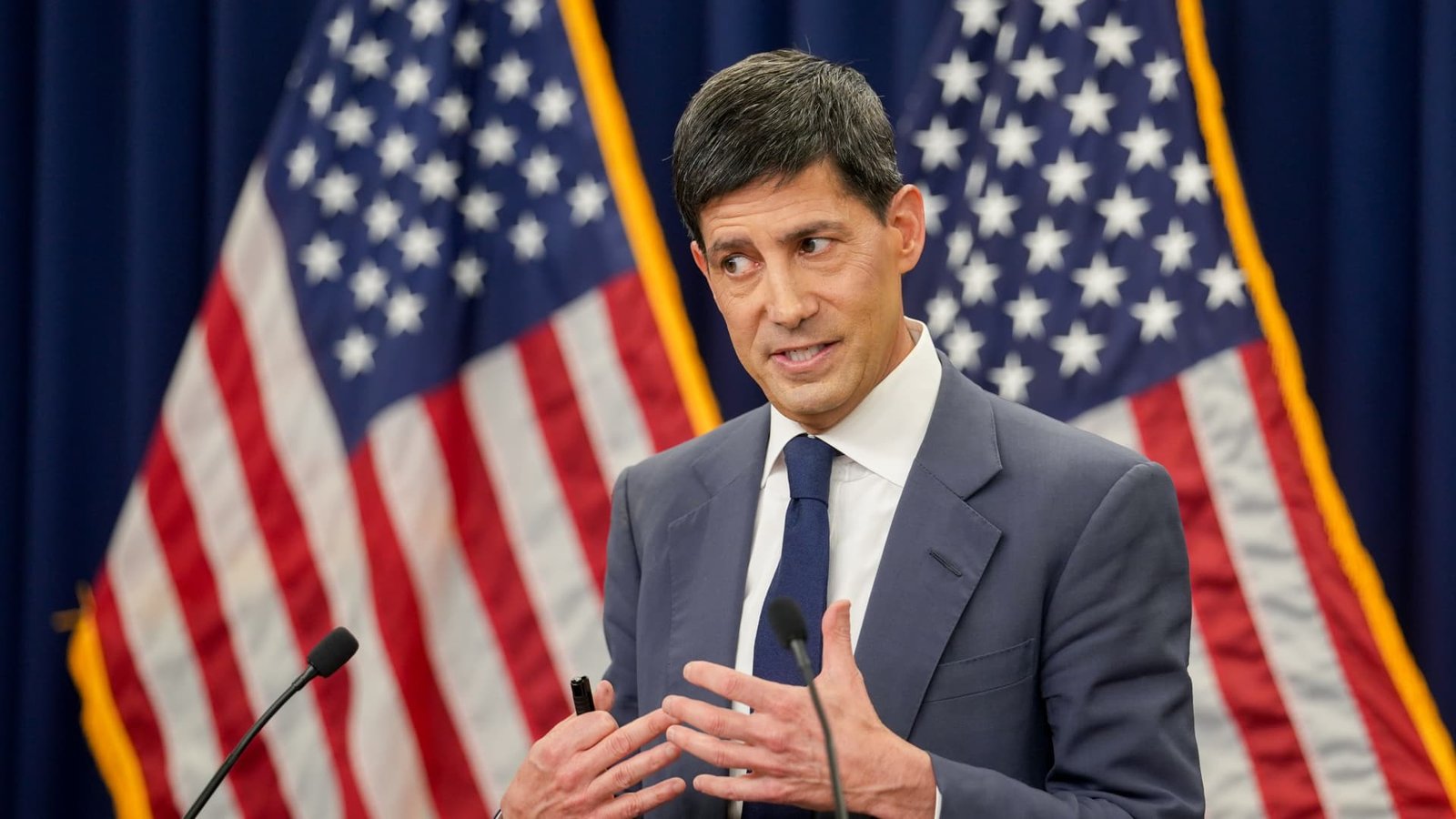
Federal Reserve Chairman Kevin Warsh has announced the formation of five task forces to review the Fed’s operations, comprising a mix of distinguished experts from Wall Street, academia, and previous government positions. This initiative aims to enhance various aspects of monetary policy, including inflation management, productivity, communication practices, and the Fed’s balance sheet.
Warsh previously indicated his plans for these panels and emphasized their role in critically assessing current practices and proposing innovative policy alternatives. The appointed members include notable figures such as venture capitalist Marc Andreessen, former Bank of England Governor Mervin King, and Greg Mankiw, who previously chaired the White House’s Council of Economic Advisers. Doug McMillon, the former CEO of Walmart, will lead the business sector on the panel.
In his statement, Warsh expressed appreciation for the diverse expertise brought together, stating, "The goal is straightforward: to ensure the Fed is best positioned to achieve our objectives in this consequential time." The task forces are tasked with operating independently to provide objective feedback and analyses that will influence future monetary policy decisions.
Although a timeline for the completion of the task forces’ work has not been disclosed, Warsh anticipates that recommendations will emerge within the year. The initiative coincides with a shift towards a more reactive approach in Fed communications, as evidenced by recent shorter post-meeting statements.
The task forces will focus on various domains, including:
- Communications
- Balance Sheet Policy
- Data Management
- Productivity and Jobs
- Inflation Frameworks
Why this story matters:
- The restructuring of the Federal Reserve is crucial for adapting to current economic challenges.
Key takeaway:
- The formation of these independent task forces aims to provide evidence-based recommendations that could reshape U.S. monetary policy.
Opposing viewpoint:
- Critics may argue that the involvement of prominent corporate figures could lead to conflicts of interest in shaping monetary policy.