



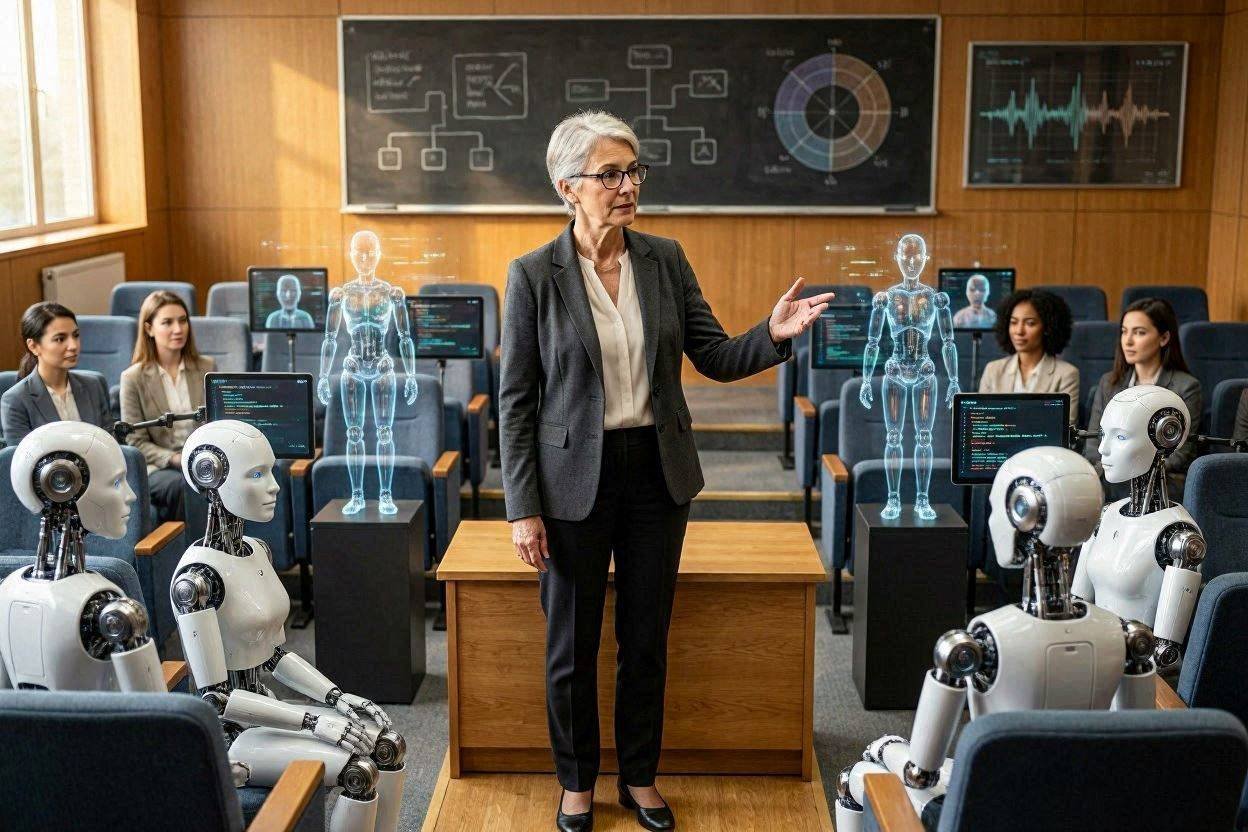
Recent developments in artificial intelligence highlight the complexities surrounding the values embedded in large language models. Leading AI systems like Claude and Gemini not only process vast amounts of text but are also trained on how to respond appropriately based on human feedback. Researchers apply techniques such as reinforcement learning, wherein users evaluate responses for helpfulness, accuracy, and safety. This feedback shapes the models’ responses, making the formulation of valuable answers a nuanced challenge.
Anthropic has introduce a novel approach known as Constitutional AI, which allows the AI to critique its answers based on a set of guiding ethical principles inspired by respected documents like the Universal Declaration of Human Rights. This framework is designed to provide the model with a semblance of conscience, helping it weigh responses against established values.
Recent research involving over 700,000 interactions has revealed that Claude expresses a broad array of values, adapting its priorities based on the context of the conversation. For instance, while addressing technical issues, it emphasizes accuracy; in relationship discussions, it focuses on empathy. This adaptability challenges the notion that there is a single system of values applicable to all interactions.
The findings suggest that AI is evolving from a one-size-fits-all model to a more personalized approach, where future iterations may tailor responses based on individual user preferences and risk levels. This marks a significant transition for the AI industry as it seeks to enhance the relevance and utility of its tools.
Why this story matters:
- Understanding AI’s encoded values is crucial for responsible development and deployment.
Key takeaway:
- AI’s responses are shaped by human feedback and ethical frameworks, making value alignment a complex concern.
Opposing viewpoint:
- Some critics argue that this approach may inadvertently impose biases reflecting the designers’ values rather than neutral, universal ethics.