


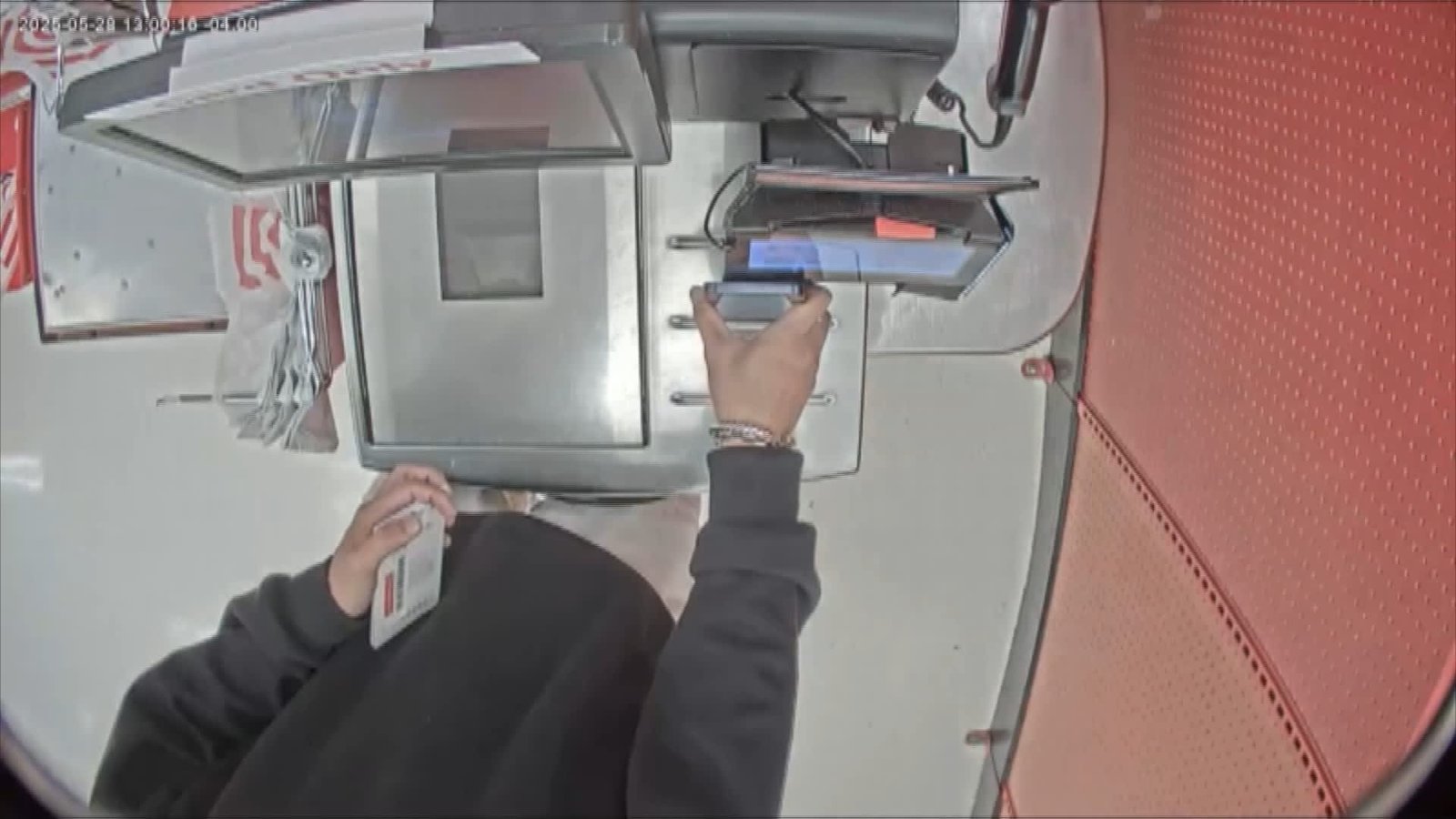
A man was observed engaging in suspicious activity at a Lowe’s in Louisiana last spring, where he spent seven minutes purchasing multiple gift cards worth $95 each using stolen credit card information. Surveillance footage indicated that the individual was part of a larger Chinese organized crime network, which has been implicated in a growing trend of digital retail fraud. The suspect was reportedly coached through transactions using wireless headphones, a method that has become increasingly common as the ease of tap-to-pay technology proliferates.
Adam Parks, an assistant special agent with U.S. Homeland Security Investigations, noted that such fraud is not limited to a single location; across the United States, numerous individuals employ similar tactics to generate significant profits, which are estimated to total approximately $1 billion annually for these crime groups. Unlike traditional retail theft, this method is less visible and allows criminals to operate discreetly, often without immediate detection by store employees.
Fraudulent activities often begin with deceptive text messages prompting consumers to provide sensitive information, resulting in stolen identities and financial data. Low-level perpetrators may work independently, while more organized crime factions utilize these schemes to acquire high-value goods for resale.
Efforts are underway to combat these criminal networks, including increased law enforcement operations. Organizations have also urged Congress to pass the Combating Organized Retail Crime Act, which would enhance information sharing and aid in tackling complex fraud cases.
Why this story matters
- Highlights the increasing prevalence of organized retail crime linked to digital fraud.
Key takeaway
- Digital theft through tap-to-pay systems presents a low-risk, high-reward scenario for criminals operating within organized networks.
Opposing viewpoint
- Some may argue that retailers need to improve security measures to protect consumer data, emphasizing a shared responsibility in preventing fraud.