

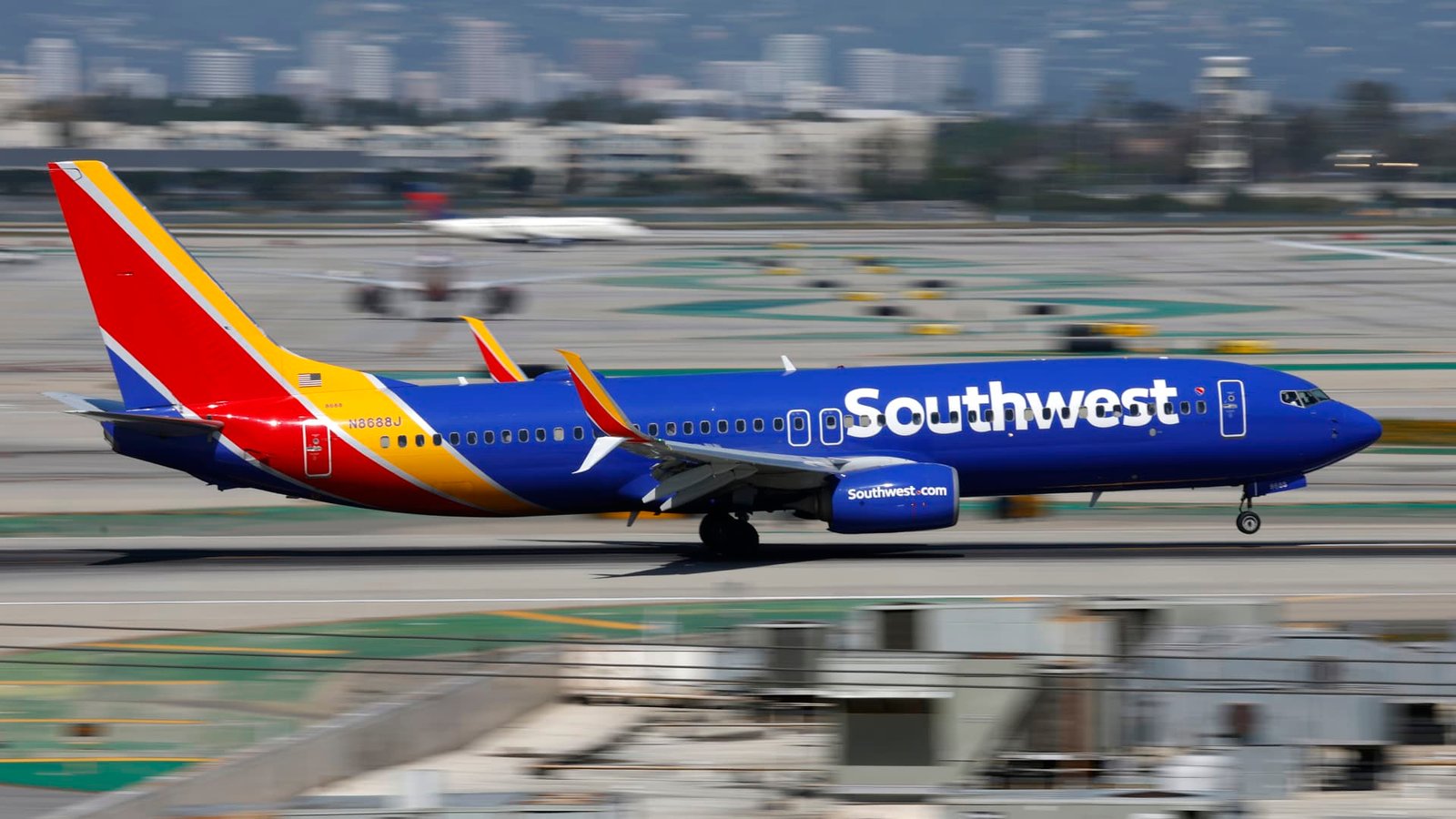
Southwest Airlines recently employed an unconventional method to manage rising jet fuel costs by chartering a ship to transport jet fuel from Texas to California. This operation, unusual for the airline, was prompted by heightened fuel prices and supply concerns in the West Coast market. Southwest’s Chief Financial Officer, Tom Doxey, revealed that the ship, which departed from Houston and navigated the Panama Canal, arrived in Los Angeles on May 28 carrying approximately 12.6 million gallons of jet fuel. This supply was critical as the airline had consumed 564 million gallons of jet fuel in the previous quarter.
The West Coast’s dependence on fuel imports has made it particularly vulnerable to price fluctuations, which have surged since geopolitical tensions arose following U.S. and Israeli actions against Iran in February. In its second quarter, Southwest reported a nearly $900 million increase in fuel expenses compared to the prior year.
To facilitate the shipment, Southwest utilized a waiver of the Jones Act, which mandates that shipments between U.S. ports must be conducted by U.S. vessels. This waiver was granted by President Trump in March due to rapidly escalating fuel prices amid the ongoing Iran conflict and related shipping disruptions in the Strait of Hormuz.
While supply concerns have recently subsided, volatility in jet fuel pricing continues to affect airlines. Jet fuel remains the second-largest expense for airlines after labor, with Southwest’s competitors, like United Airlines, adjusting their financial forecasts in response to soaring prices.
Ultimately, U.S. airlines have curtailed capacity growth plans and abandoned traditional fuel hedges, leading to increased fares. Despite the higher costs, airline executives report that demand for flights remains robust.
Why this story matters: Airlines are finding innovative solutions to mitigate rising fuel costs, impacting consumer prices and industry operations.
Key takeaway: Jet fuel expenses are a major concern for airlines, compelling them to adapt in a volatile market environment.
Opposing viewpoint: Some argue that the rise in operational costs may lead to reduced accessibility for travelers as airlines navigate fuel price challenges.