



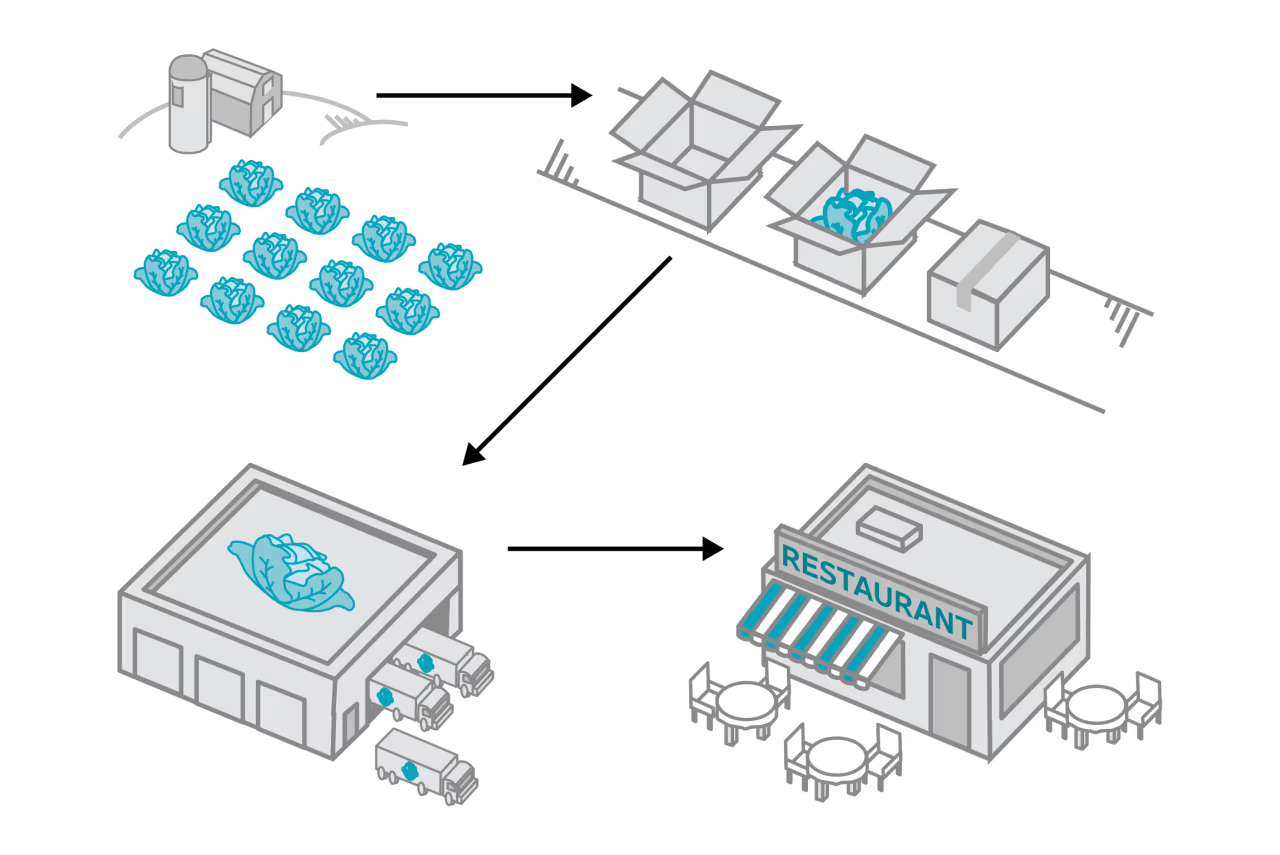
Lettuce remains the leading leafy green consumed in the United States, a fact highlighted by recent cyclospora outbreaks. These outbreaks have intensified discussions concerning food safety and the challenges of maintaining a secure food supply chain. Cyclospora, a parasite that causes gastrointestinal illness, has been linked to contaminated produce, underscoring the importance of strict sanitary practices in agriculture and distribution.
The Centers for Disease Control and Prevention (CDC) has urged consumers to be vigilant about the origin of their leafy greens, particularly lettuce. While these outbreaks are relatively uncommon, they serve as a reminder of the potential hazards associated with fresh produce. The reaction among consumers has led to increased scrutiny of farming practices, transportation, and storage methods to mitigate risks.
In light of these incidents, several stakeholders in the food industry are advocating for enhanced regulations and improved tracking systems to ensure food safety. Farmers and distributors are encouraged to adopt best practices to minimize contamination risk and ensure that agricultural products meet safety standards. The industry’s response is crucial not only for consumer safety but also for maintaining trust in the food supply.
As efforts to address these issues evolve, consumers are urged to wash their produce thoroughly and stay informed about any recalls or warnings issued by health authorities. With ongoing emphasis on food safety, the hope is to prevent future outbreaks and protect public health.
– Why this story matters: It highlights the ongoing challenges of food safety in the fresh produce sector.
– Key takeaway: Cyclospora outbreaks focus attention on safety practices in the lettuce supply chain.
– Opposing viewpoint: Some argue that such outbreaks are rare and should not deter lettuce consumption, emphasizing the importance of thorough washing.