


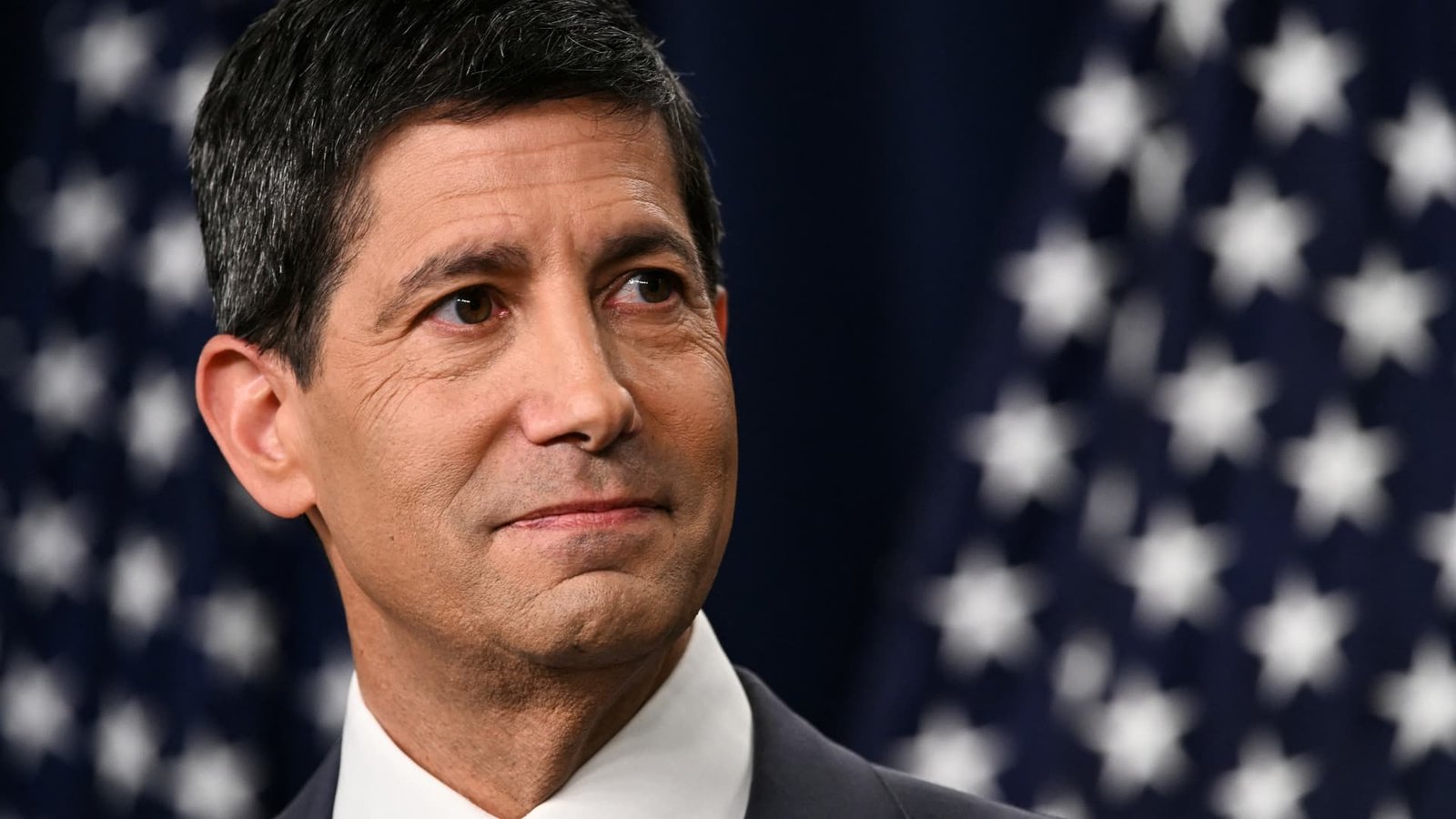
Federal Reserve Chairman Kevin Warsh is shifting the central bank’s approach to financial markets by potentially reducing the number of annual meetings for the Federal Open Market Committee (FOMC) from eight to possibly fewer. This move aligns with Warsh’s goal to decrease the Fed’s influence on market dynamics, a strategy that experts suggest could result in increased market volatility and new investment opportunities.
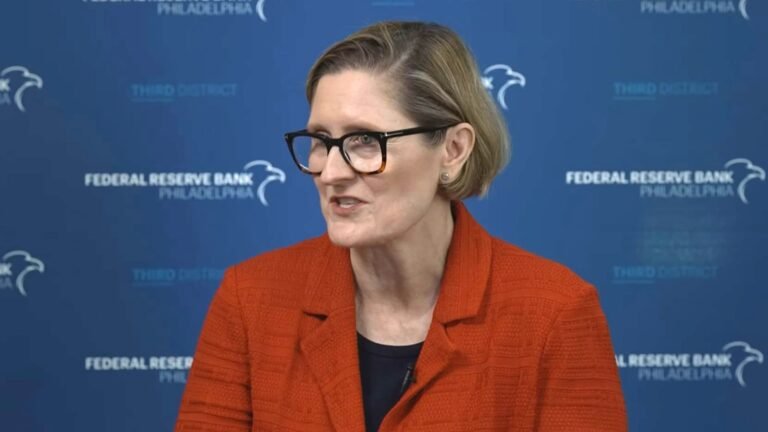
Since assuming office in May, Warsh has implemented a series of changes that contrast sharply with previous Fed practices focused on transparency. He has notably minimized "forward guidance," decreased the length of post-meeting statements, and provided ambiguous responses to questions during press conferences. Discussion of revising the meeting schedule, while still largely theoretical, has gained traction among some Fed officials, including Minneapolis Fed President Neel Kashkari and Philadelphia Fed President Anna Paulson, who express openness to re-evaluating existing norms.
Experts have mixed opinions on the potential impact of fewer meetings. Some argue that reducing communication may hinder market clarity and responsiveness, while others believe it could allow for greater agility in decision-making. Bill English, a former Fed official, suggests that fewer meetings could lead to important decisions being missed in a timely manner. Nevertheless, markets have remained relatively stable since Warsh’s appointment, with significant gains in the stock market.
As the Fed approaches its annual meeting in Jackson Hole, the implications of Warsh’s communication strategy remain uncertain. Critics argue that the lack of clarity could introduce risk for investors, especially amid rising inflation expectations and government debt concerns.
Why this story matters:
- Shift in Fed’s communication could reshape market dynamics significantly.
Key takeaway:
- Fewer meetings may lead to enhanced market volatility and differing investment strategies.
Opposing viewpoint:
- Some experts caution that less communication could disrupt timely decision-making in monetary policy.