



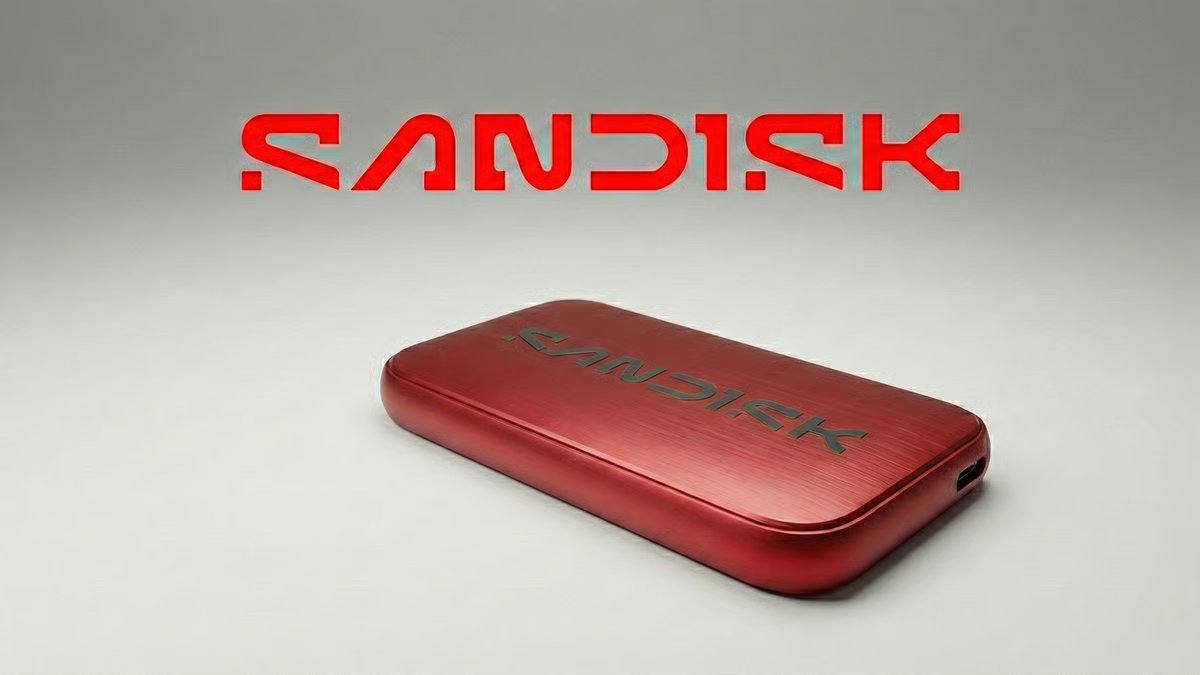
Sandisk Corporation (NASDAQ: SNDK) recently announced impressive earnings that exceeded analyst expectations, showcasing a significant increase in both revenue and profitability. Despite this robust performance, the company’s share price fell by more than 8% in after-hours trading following the earnings call on August 5. Investors appear puzzled by the negative market reaction, considering Sandisk’s quarterly revenue surged over 60% year-over-year, driven primarily by its data center business, which has become increasingly vital due to burgeoning demand for high-capacity storage from artificial intelligence applications.
The earnings report highlighted a remarkable profit margin along with substantial cash flow, leading to the announcement of a new share repurchase program, suggesting management’s belief that the stock is undervalued. A promising portfolio of long-term customer agreements, valued at tens of billions, further bolstered the company’s outlook. However, the stock’s decline can be attributed to a less-than-expected revenue guidance for the coming quarter, which fell below analysts’ projections, even as profit expectations remained favorable.
Market sentiment appears to be particularly sensitive due to the current heightened valuations associated with the AI sector. Concerns about potential deceleration in sales growth led to a swift reassessment from investors, despite the strong financial performance detailed in the earnings report.
The broader outlook remains optimistic for Sandisk, with proponents citing a fundamental shift in demand driven by AI that may mitigate the historical boom-and-bust cycles in the memory industry. However, critics warn of potential oversupply from competitors, especially in the NAND memory market, which could impact pricing and margins over time.
Why this story matters
- Sandisk’s strong performance raises questions about market volatility in the context of AI-demand.
Key takeaway
- Despite a robust earnings report, the market’s reaction reflects anxiety over future revenue growth.
Opposing viewpoint
- Critics argue that Sandisk’s business remains cyclical, with unsustainable margins likely to decline in the long run.