


The closure of the Strait of Hormuz has led to rising tensions and a potential global energy crisis, giving Iran significant leverage in its negotiations with the Trump administration. As midterm elections approach, Republicans in Congress are urging President Trump to seek an end to the conflict. In contrast, Israel remains focused on its own national security, with Prime Minister Benjamin Netanyahu emphasizing his commitment to stopping Iran from acquiring nuclear weapons.
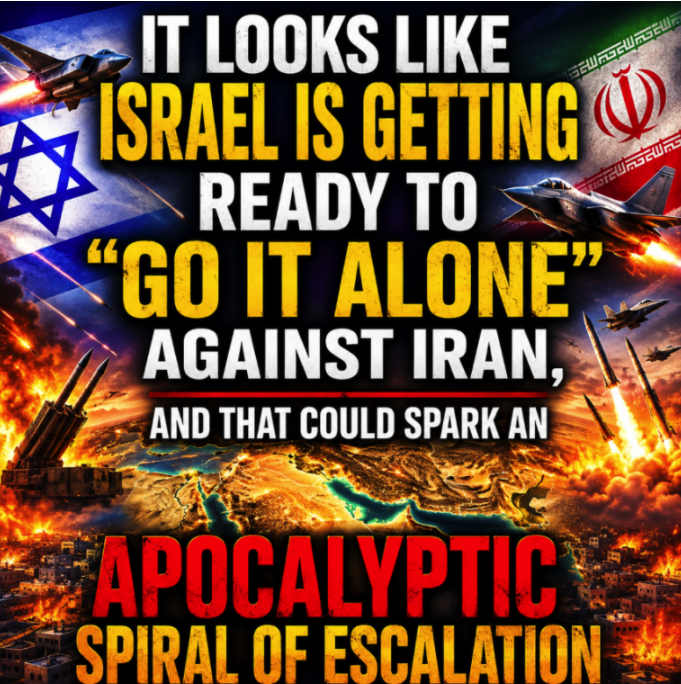
Reports indicate that Israel is prepared to conduct unilateral military strikes against Iran if necessary, independent of U.S. support. This development comes amid warnings from U.S. military officials that further escalation could result in adverse consequences. Iran has issued threats to retaliate against any Israeli action, raising the stakes for both countries.
Despite calls for a peace agreement, Iran has presented a series of demands for the reopening of the Strait of Hormuz, which includes ending military actions against Iran, lifting sanctions, and releasing frozen assets. The Trump administration faces a difficult decision, as it cannot feasibly agree to all these conditions. Meanwhile, Iranian forces have intensified assaults on maritime vessels, further complicating the situation.
Additionally, the Houthis have been targeting Saudi Arabian assets, showcasing the precarious security landscape in the region. Tensions continue to escalate, with concerns that any military action could lead to uncontrolled regional conflict and potential nuclear exchanges.
As decisions made in the coming weeks could have significant implications for global stability, both military and diplomatic strategies are under scrutiny.
Why this story matters
Key takeaway
Opposing viewpoint