
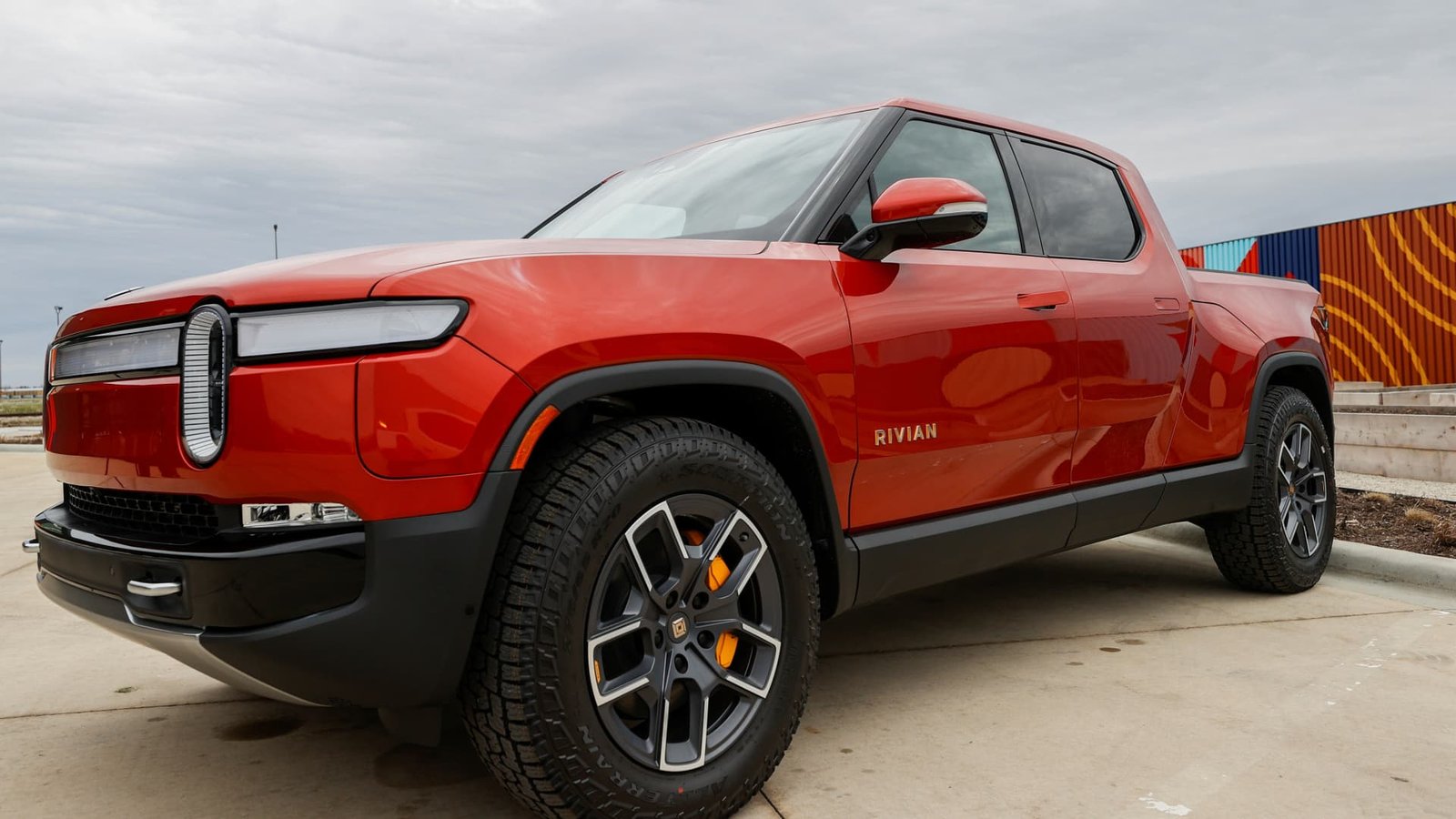
Rivian Automotive has launched its in-vehicle AI assistant, designed to enhance its advanced driver-assistance systems (ADAS), as part of a strategic push to compete with leading technologies in the market. The introduction of Rivian’s AI occurred on May 12, 2026, during real-world testing of its Autonomy+ system in R1T electric pickup trucks. The AI claims that Rivian’s technology offers a unique combination of safety and efficiency, positioning it as a strong competitor to Tesla’s Full Self-Driving (FSD) features.
While Rivian’s system has achieved notable advancements in highway driving, it is still working to match Tesla’s capabilities in nonhighway conditions, such as urban environments with complex intersections and traffic signals. Rivian CEO RJ Scaringe and senior vice president of autonomy and AI, James Philbin, emphasize that the company plans to introduce full point-to-point driving functionality later this year.
Despite improvements, Rivian’s Autonomy+ does not yet allow the vehicle to navigate certain challenging situations without user intervention. Current limitations include the inability to change lanes automatically and interaction with traffic signals only through alerts, rather than full control.
The competitive landscape showcases that while Rivian is gaining ground, particularly in highway scenarios, it still lags in addressing more complicated urban driving challenges. The development of ADAS is increasingly viewed as critical for attracting both consumers and investors, with subscription models for these technologies becoming more common.
Safety concerns over reliance on these systems persist, underscoring the need for driver attentiveness. Automakers, including Rivian, are grappling with the complexities of regulatory oversight and the challenges posed by human factors in the operation of semi-autonomous vehicles.
Why this story matters
- Rivian’s advancements suggest a significant shift in the competitive dynamics of the electric vehicle market.
Key takeaway
- Rivian’s focus on enhancing its ADAS technology indicates a commitment to safety and performance in the evolving landscape of autonomous driving.
Opposing viewpoint
- Critics argue that while Rivian’s technology is improving, it still falls short of Tesla’s capabilities in real-world driving scenarios, particularly in urban environments.