

Disney’s ABC has initiated a First Amendment lawsuit against the Federal Communications Commission (FCC), alleging that the agency’s current investigation into the network constitutes a "retaliatory campaign" linked to its programming, which has criticized former President Donald Trump. Filed in the U.S. District Court for the District of Columbia, the lawsuit follows an FCC decision to conduct an early review of ABC’s broadcast station licenses, citing concerns over the company’s efforts related to diversity, equity, and inclusion (DEI).
This review process was initiated shortly after backlash against ABC, notably following comments by late-night host Jimmy Kimmel and discussions on the daytime talk show "The View." In the lawsuit, ABC is asking the court to halt the early renewal proceedings initiated by the FCC. An FCC spokesperson emphasized the agency’s commitment to public interest, accusing Disney of spreading disinformation.
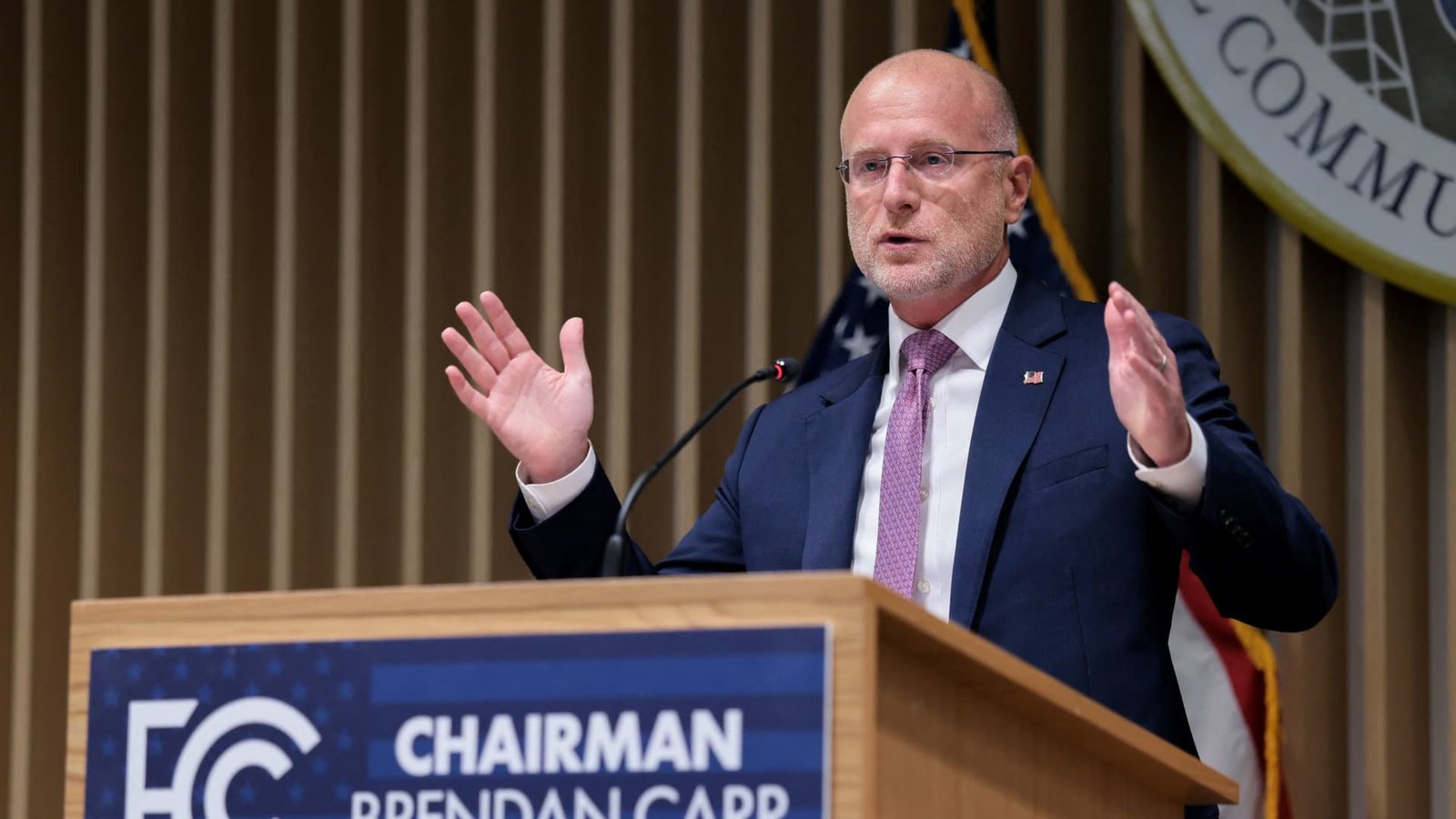
FCC Chairman Brendan Carr, appointed by Trump, maintain that the review focuses on Disney’s DEI practices rather than First Amendment violations. The investigation into Disney began last year, examining possible infringements of the Communications Act of 1934 and FCC rules against unlawful discrimination. ABC has argued that it is experiencing "irreparable harm" due to the administration’s actions through the FCC.
In this context, Disney CEO Josh D’Amaro reiterated the company’s commitment to journalistic integrity and independence. Meanwhile, FCC Commissioner Anna Gomez, the commission’s sole Democrat, voiced support for ABC’s legal challenge, characterizing the FCC’s actions as a campaign of censorship and intimidation aimed at punishing dissenting speech.
Key Points:
- Why this story matters: It highlights ongoing tensions between media organizations and government regulators, particularly regarding perceived censorship.
- Key takeaway: ABC’s lawsuit raises significant questions about First Amendment protections and the role of regulatory agencies in media governance.
- Opposing viewpoint: Some officials argue that the FCC’s investigations are necessary to ensure compliance with broadcast regulations without political motivations.