


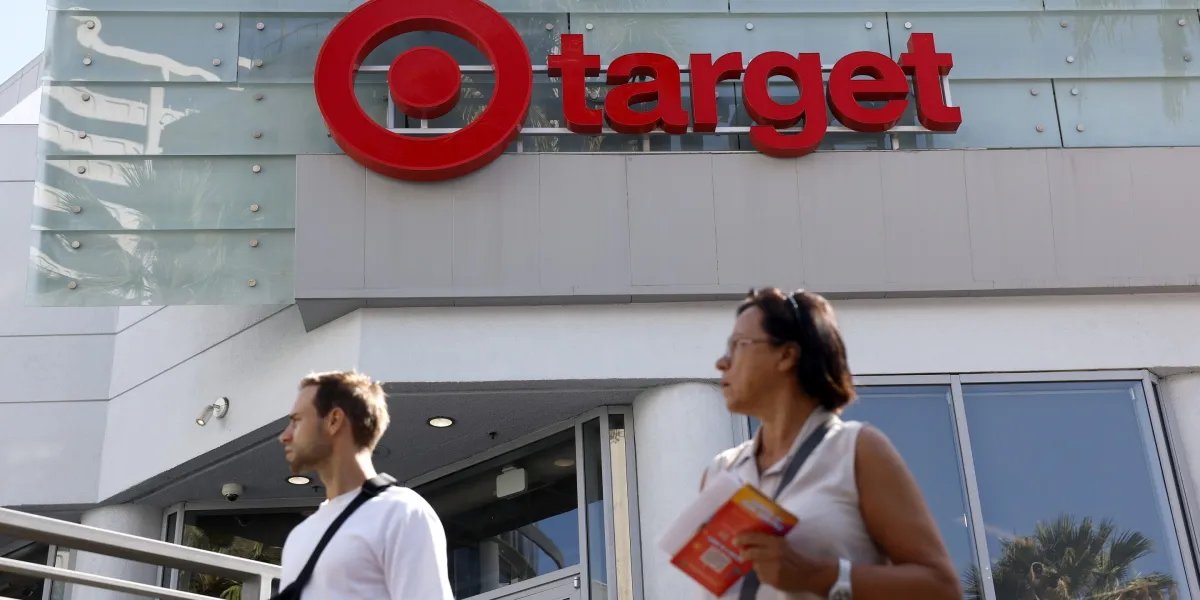
Major U.S. corporations are receiving substantial tariff refunds, raising questions among consumers regarding whether these benefits will translate into lower prices. A recent Supreme Court ruling determined that the International Emergency Economic Powers Act (IEEPA) did not grant the president the authority to impose tariffs, prompting significant refunds for notable Fortune 500 companies.
As of July 31, the Trump administration reported approximately $100 billion in tariff refunds, including interest, from the $166 billion collected. Among the companies benefiting are Amazon and Target. Amazon stated in its SEC filing that it received nearly $640 million in refunds during the second quarter of 2026, with limited plans to pass savings onto customers. Target reported nearly $994 million in refunds, contributing to a total net earnings of $1.88 billion. However, Target’s CFO, Jim Lee, confirmed that the company would not provide refunds but would reinvest the funds to maintain competitive pricing.
Nike also expects to reclaim around $986 million in tariff refunds, though it has not disclosed whether these savings would be returned to consumers. In contrast, FedEx has begun refunding customers, using its $800 million in tariff refunds to process payments back to them.
The tariff refund situation is less clear for other businesses. Ford and General Motors reported significant benefits but are still engaged in legal disputes over the refunds. Some companies, like Costco, have been hit with class-action lawsuits related to tariff impacts and are pledging to return funds to consumers. Meanwhile, retailers like Walmart have indicated that they will not issue refunds, instead directing the funds toward price reductions.
Why this story matters:
- The outcome of tariff refunds may influence consumer prices and corporate practices.
Key takeaway:
- Some companies are benefiting from tariff refunds, but their commitment to returning funds to consumers varies widely.
Opposing viewpoint:
- While some companies pledge to reinvest in lower prices, consumers advocate that refunds should be directly passed along to them.