

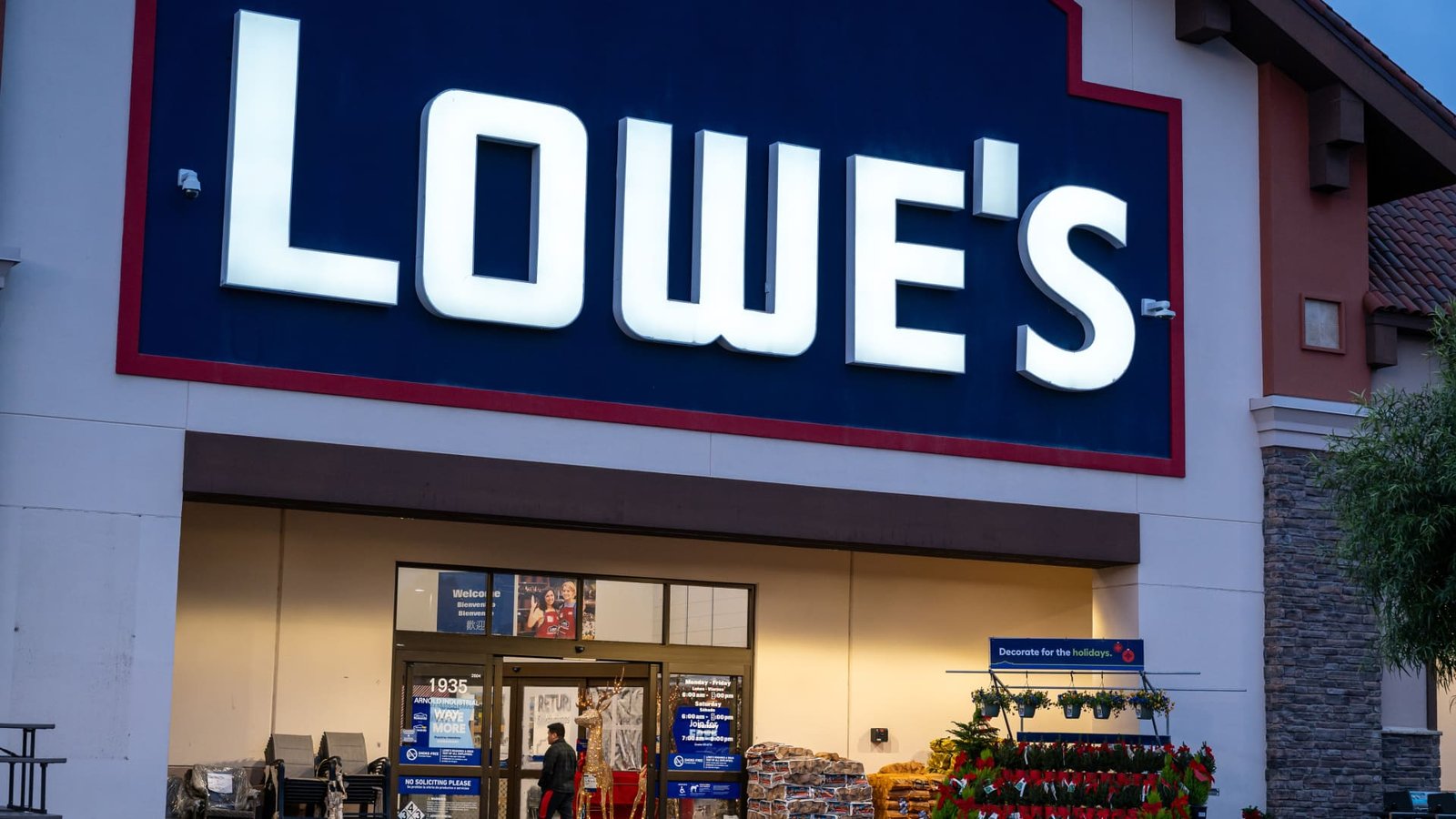
Lowe’s reported mixed quarterly results, indicating challenges in consumer spending on home improvement projects. While the company maintained its full-year guidance, it adjusted its outlook to the lower range, projecting total sales of $92 billion—revised from a previous estimate of $92 billion to $94 billion. Comparable sales are now expected to remain flat, down from an anticipated increase of up to 2%. Adjusted earnings per share are forecasted at $12.25, aligning with the lower end of previous expectations.
CEO Marvin Ellison emphasized a cautious consumer sentiment among homeowners, noting that while customers are not trading down, many are refraining from significant spending. He anticipates that the housing market will gradually improve, fostering future growth.
For the fiscal second quarter ending July 31, Lowe’s reported net income of $2.4 billion or $4.27 per share, consistent with the same quarter last year. Adjusted earnings, bolstered by tariff refunds, were $4.40 per share, exceeding analyst expectations of $4.22. Despite reporting revenues of $25.96 billion—slightly below expectations—the company experienced a 15.7% increase in online sales and a modest rise in comparable sales.
Ellison acknowledged heightened competition in July but characterized its impact as temporary rather than indicative of a new market norm. He mentioned that Lowe’s chose not to lower prices in response to competitors using tariff refunds, emphasizing a commitment to shareholder profitability and future collaborations with customers regarding tariff benefits.
The earnings came amid broader concerns about a sluggish housing market, a sentiment echoed by rival Home Depot, which reported similar consumer hesitance towards major projects.
Why this story matters: The mixed results highlight consumers’ cautious behavior in the home improvement sector, critical for understanding market trends.
Key takeaway: Lowe’s adjusts its sales and earnings outlook in response to changing consumer spending habits.
Opposing viewpoint: Some analysts argue that competitive pricing from rivals could pressure Lowe’s market share despite its cautious strategy.