


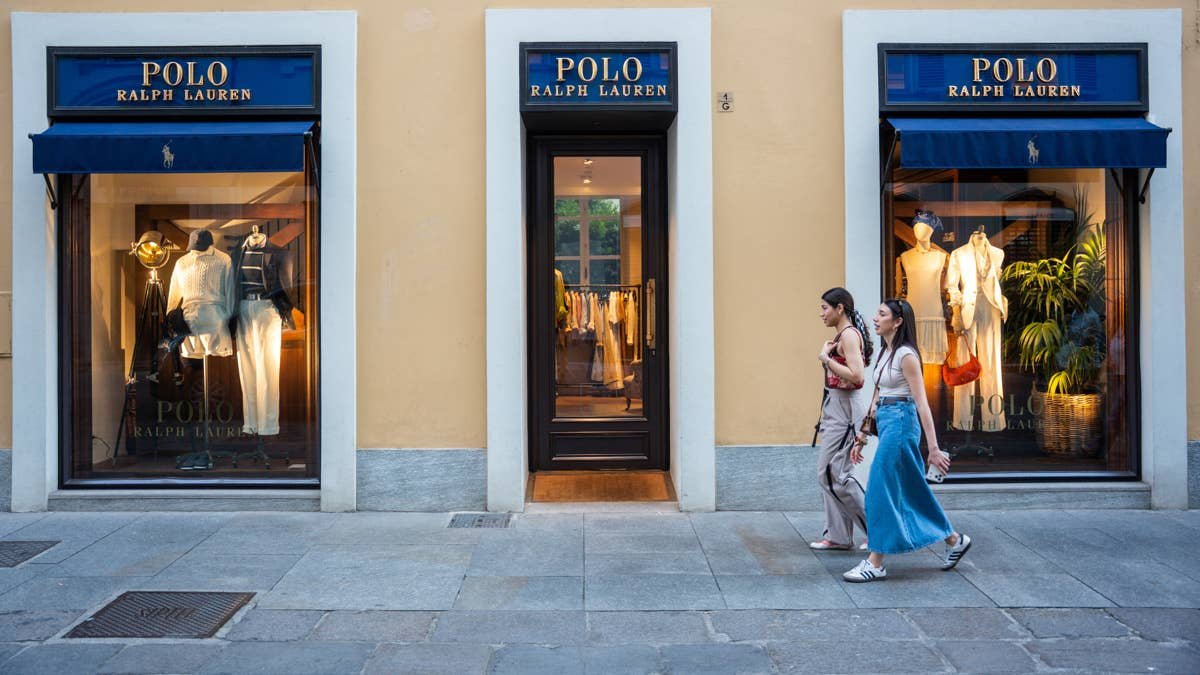
Ralph Lauren is undergoing significant changes to its retail operations, with the recent announcement of the permanent closure of its Polo Ralph Lauren outlet store in Freeport, Maine, set for August 21, 2026. This decision comes amid a reassessment of the company’s retail strategy in light of evolving market conditions.
Originally founded in 1967 as a neckwear line, Ralph Lauren has expanded into a prominent global brand encompassing various luxury lifestyle products. The company operates multiple brands at different price points, including Polo Ralph Lauren, Ralph Lauren Collection, and others. Despite the shutdown in Freeport, Ralph Lauren will maintain a presence in Maine with its outlet at Kittery Premium Outlets remaining operational.
The closure reflects a broader adjustment within Ralph Lauren’s retail network. In its first quarter of fiscal 2027, the company reported a net reduction of nine outlet stores across North America and Europe, while still investing in directly operated locations, which grew from 560 to 600 during the same period. This shift supports Ralph Lauren’s strategic plan, "Next Great Chapter: Drive," aimed at enhancing brand positioning and achieving sustainable growth through 2028. The company anticipates steady revenue growth and improved operating margins.
Additionally, the recent closures occur in conjunction with favorable financial results. Ralph Lauren reported a 13% increase in net revenue and a 12% rise in global comparable store sales year over year, indicating a solid performance amid broader challenges in the fashion industry.
Ralph Lauren’s strategy appears to focus on refining its luxury presence rather than retreating from physical retail entirely, signaling a committed approach toward selective brand positioning.
Why this story matters:
- Indicates Ralph Lauren’s shift to a more selective retail network amid changing market dynamics.
Key takeaway:
- Ralph Lauren is strategically closing less profitable outlet locations while investing in higher-value, directly operated stores.
Opposing viewpoint:
- Critics may argue that reducing outlet presence could alienate cost-conscious consumers seeking the brand’s more affordable offerings.