

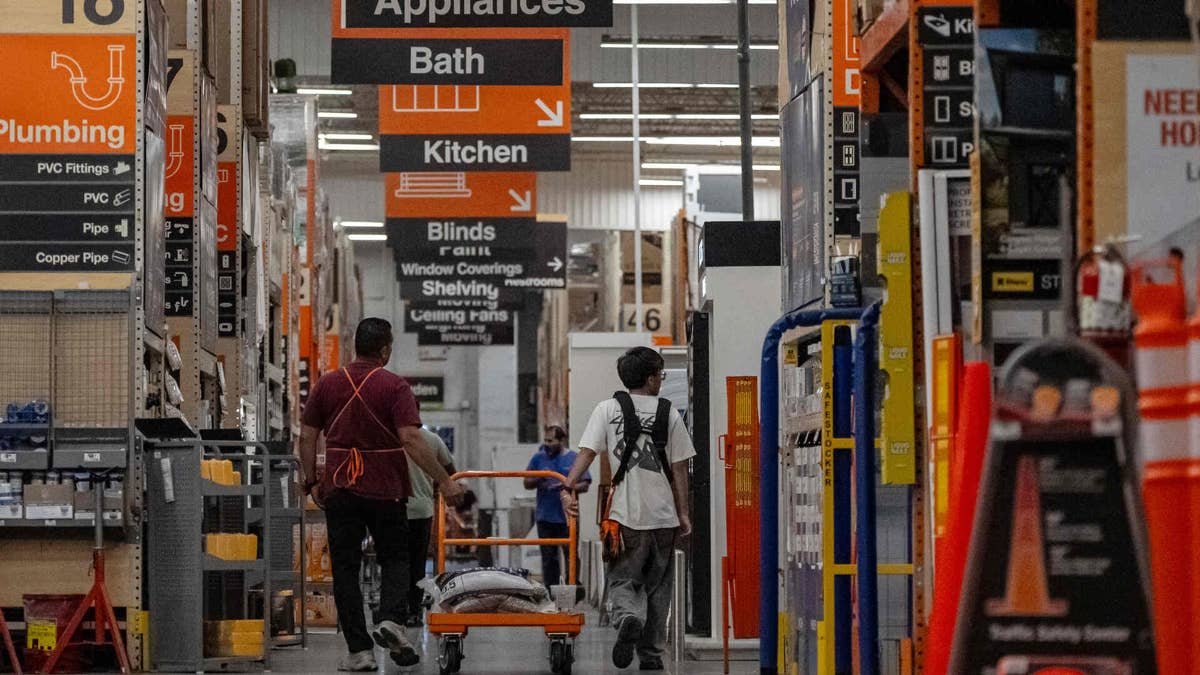
The Bill & Melinda Gates Foundation Trust has recently made a significant investment decision, acquiring a $352.7 million stake in The Home Depot while simultaneously reducing its investment in Berkshire Hathaway by approximately $818 million. This strategic shift underscores the Trust’s focus on companies benefiting from domestic economic activities and infrastructure maintenance.
The Trust now holds 1 million shares of The Home Depot, a notable addition to its portfolio, which manages around $34.42 billion in assets. Analysts speculate that this move signifies a betting strategy on the home improvement sector amidst a sluggish housing market. Recent reports indicate that The Home Depot experienced its strongest comparable sales growth since 2022, despite what its CFO describes as “frozen housing market conditions.” The company reported a net sales figure of $47.9 billion for the second quarter, reflecting a year-over-year increase of 5.7%.
CFO Richard McPhail emphasized that The Home Depot’s growth is not reliant on a housing recovery but rather on consistent spending for maintenance projects needed by homeowners regardless of market conditions. The company has also benefited from $730 million in tariff refunds, contributing to its ongoing cost management efforts.
While Bank of America analysts maintain a Buy rating on The Home Depot, their price target was slightly adjusted from $412 to $407. Despite a modest outlook on sales growth, the investment in the home improvement retailer signals a calculated wager by the Gates Foundation that deferred maintenance spending will eventually rebound.
- Why this story matters: The Gates Foundation’s investment strategy highlights shifts in market focus from traditional financial holdings to companies integral to domestic infrastructure.
- Key takeaway: The Home Depot’s growth stems from essential home repair spending, independent of housing market fluctuations.
- Opposing viewpoint: Critics may argue that relying on non-discretionary spending could lead to volatility, particularly if economic conditions worsen.