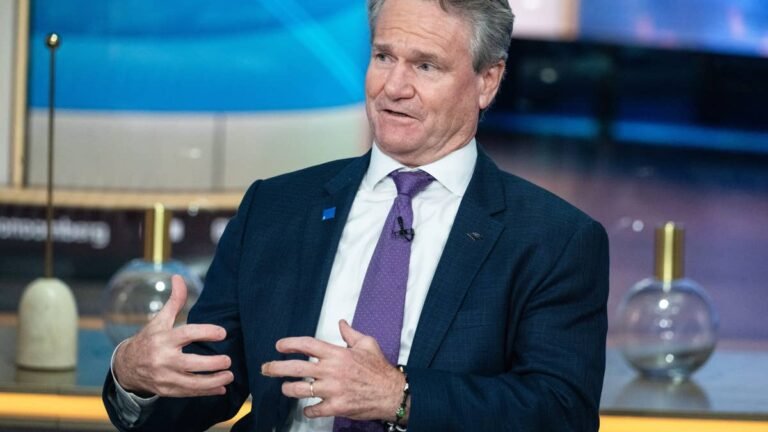


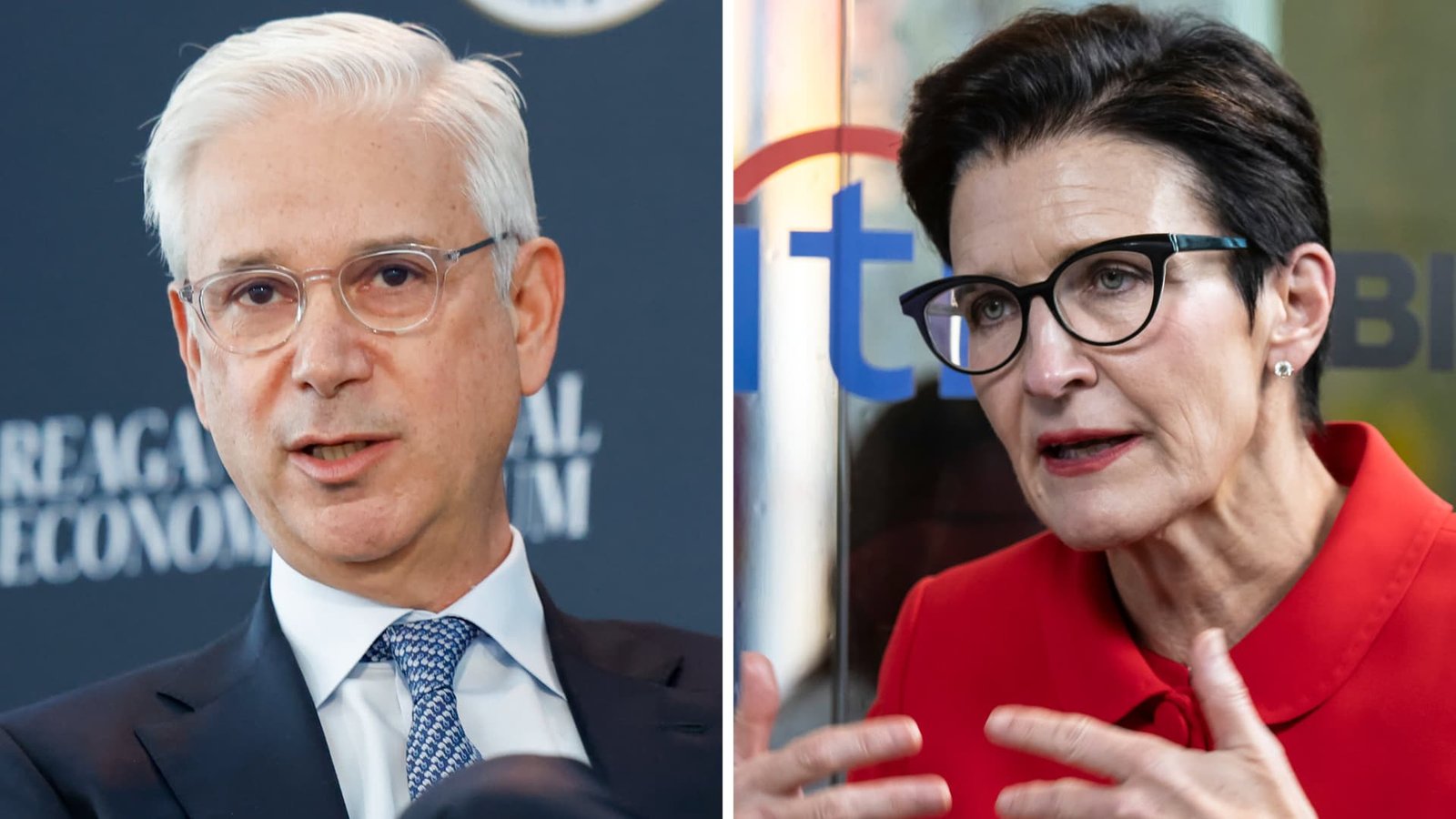
At major banking conferences and quarterly earnings calls, discussions increasingly focus on potential mergers as regulatory restrictions ease. Under the Trump administration, the environment for acquisitions has become more favorable, allowing banks with assets exceeding $100 billion to consider buying other lenders. Notably, Citigroup and Wells Fargo are positioned to take advantage of this opportunity, as they can pursue significant acquisitions without exceeding the national deposit cap.
Analysts indicate that both banks, having overcome regulatory hurdles, are now in growth mode. A large acquisition could enhance their branch networks and deposit bases, echoing past strategic moves by industry leader JPMorgan Chase. While both banks show interest, their approaches differ: Citigroup emphasizes organic growth and has expressed reluctance towards acquisitions, despite speculation to the contrary. Conversely, Wells Fargo’s CEO, Charlie Scharf, has signaled openness to transformative deals that align with regulatory conditions.
While the current environment is considered the most favorable for mergers since the financial crisis, actual merger activity has remained subdued. The value of North American bank mergers fell significantly in the first half of 2026 compared to the previous year. Banks are currently more focused on enhancing shareholder returns rather than pursuing acquisitions, with executives weighing the benefits of merging against the advantages of repurchasing stock.
Looking ahead, analysts predict that if Wells Fargo and Citigroup do not pursue mergers, regional banks may begin consolidating to maintain competitive positioning. Research indicates that the number of regional banks could significantly decline by 2030 as financial institutions explore mergers to enhance their capabilities.
Why this story matters:
- The easing of merger regulations presents a pivotal moment for major banks to reshape their competitive landscapes.
Key takeaway:
- While opportunities for significant acquisitions are emerging, both strategic interest and market conditions play critical roles in determining whether these deals materialize.
Opposing viewpoint:
- Citigroup’s leadership suggests a cautious approach to acquisitions, emphasizing organic growth over potential distractions from major deals.