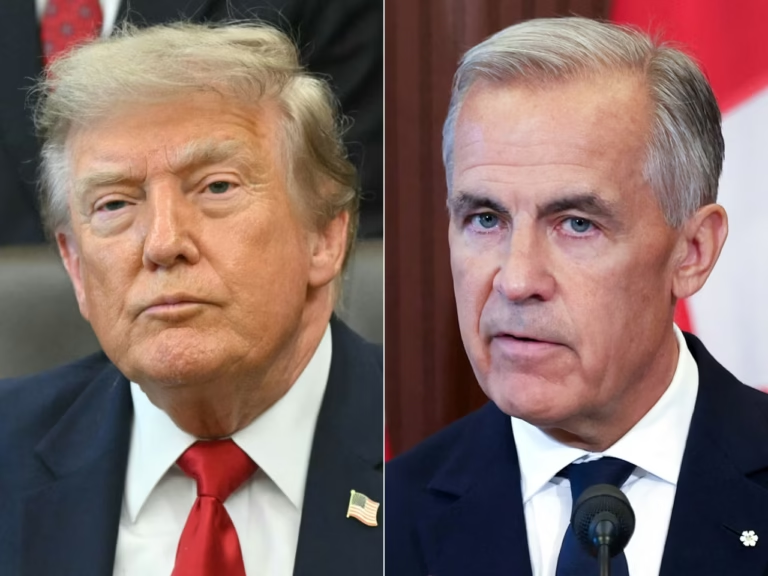

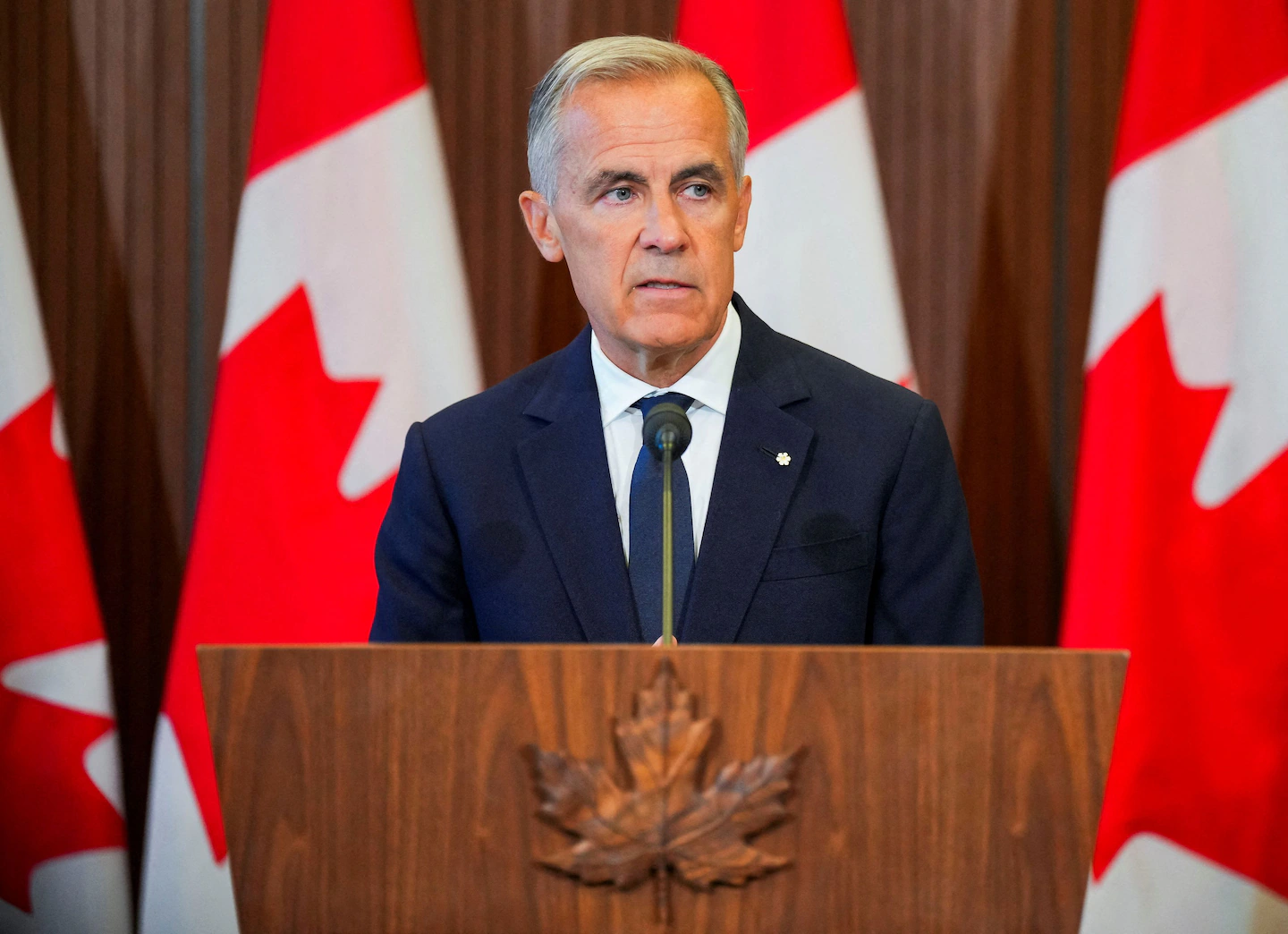
The recent breakdown of trade negotiations between the United States and Canada highlights the challenges faced by President Donald Trump in reshaping international trade relationships. In an effort to secure concessions from Canada, President Trump attempted to leverage a little-known legal authority; however, Canadian Prime Minister Mark Carney opted to withdraw from the discussions rather than acquiesce to an expanding list of U.S. demands.
This development signals potential limits to the administration’s aggressive negotiation tactics, underscoring the complexities involved in bilateral trade agreements. The cessation of talks has raised questions about future economic interactions between the two nations, which traditionally enjoy strong trading ties.
The U.S. administration’s strategy has faced criticism, as partners like Canada may be unwilling to compromise under pressure. The outcome of these negotiations could have significant implications for both countries’ economies and their trade policies moving forward.
Why this story matters
The collapse of talks illustrates the potential consequences of confrontational trade strategies.
Key takeaway
Diplomatic negotiations require collaboration and flexibility, which are essential for successful outcomes.
Opposing viewpoint
Some argue that a tougher stance is necessary to protect U.S. interests and enforce fair trade practices.